
When a Medication Turns Deadly
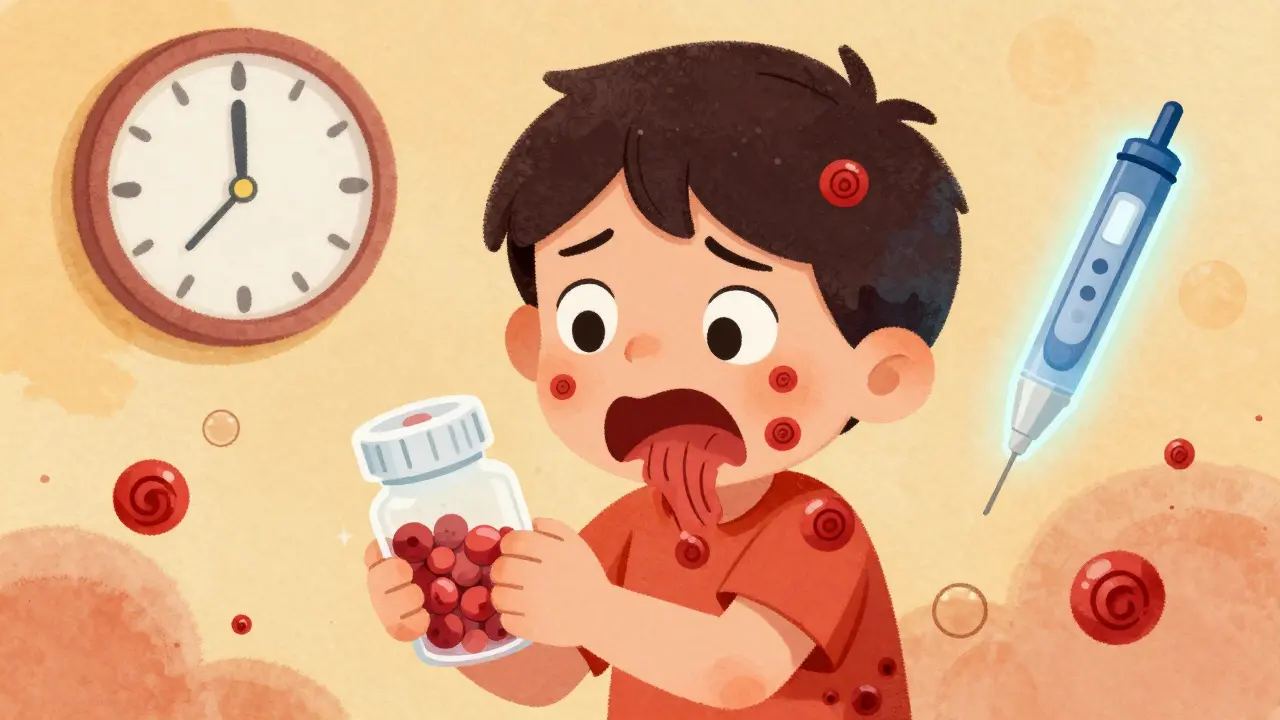
You took your pill like always. But within minutes, your throat started closing. Your skin broke out in angry red welts. Your breathing turned shallow, ragged. You’re scared. You’re not sure if this is just a bad reaction-or if you’re having a severe adverse drug reaction that could kill you.
It happens faster than you think. A simple antibiotic, a painkiller, even a common allergy med can trigger a life-threatening response. The difference between survival and tragedy often comes down to one thing: recognizing the warning signs and acting immediately.
What Makes a Drug Reaction Severe?
Not every rash or stomach upset is dangerous. Mild side effects like drowsiness or nausea are common and usually harmless. But a severe adverse drug reaction (ADR) is different. It’s not just uncomfortable-it’s life-threatening. The U.S. Food and Drug Administration defines a serious ADR as one that causes death, is life-threatening, requires hospitalization, leads to permanent damage, or causes a birth defect.
Three types of medications cause the most serious reactions: anticoagulants (like warfarin), diabetes drugs (especially insulin), and opioids (like morphine or oxycodone). These are common, widely prescribed-and if something goes wrong, they can crash your body’s systems fast.
But it’s not just about the drug. It’s about your body’s response. Some reactions are allergic. Others are immune system overreactions. Some show up hours later. Others take weeks. Knowing the difference can save your life.
Four Types of Severe Reactions-And What to Watch For
Doctors classify severe drug reactions by how your immune system reacts. Here are the four most dangerous types and what they look like.
Type I: Anaphylaxis-The Silent Killer
This is the most urgent. It’s an IgE-mediated allergic reaction. It can start within minutes of taking the drug. Symptoms include:
- Sudden swelling of the lips, tongue, or throat
- Hives or widespread rash
- Wheezing, chest tightness, or trouble breathing
- Dizziness, fainting, or a rapid, weak pulse
- Nausea, vomiting, or a sense of doom
Anaphylaxis kills about 1 in 100 people if untreated. But if you act fast, survival rates jump above 95%. The key? Epinephrine. Not antihistamines. Not steroids. Epinephrine is the only thing that stops the body’s collapse. It tightens blood vessels, opens airways, and reverses shock. Delay it, and you risk brain damage or cardiac arrest.
Type II: Cytotoxic Reactions-Blood Under Attack
This one is sneaky. It shows up days after you’ve taken the drug. Your immune system starts attacking your own blood cells. You might develop:
- Unexplained bruising or bleeding (low platelets)
- Extreme fatigue, pale skin, rapid heartbeat (anemia)
- Dark urine or jaundice (red blood cell destruction)
Drugs like penicillin, cephalosporins, or even some seizure meds can trigger this. It’s not an emergency right away-but if you ignore it, you could end up in the ICU with organ failure.
Type III: Immune Complex Reactions-The Delayed Burn
These reactions appear 1-2 weeks after taking the drug. You might get:
- Fever
- Joint pain
- Swollen lymph nodes
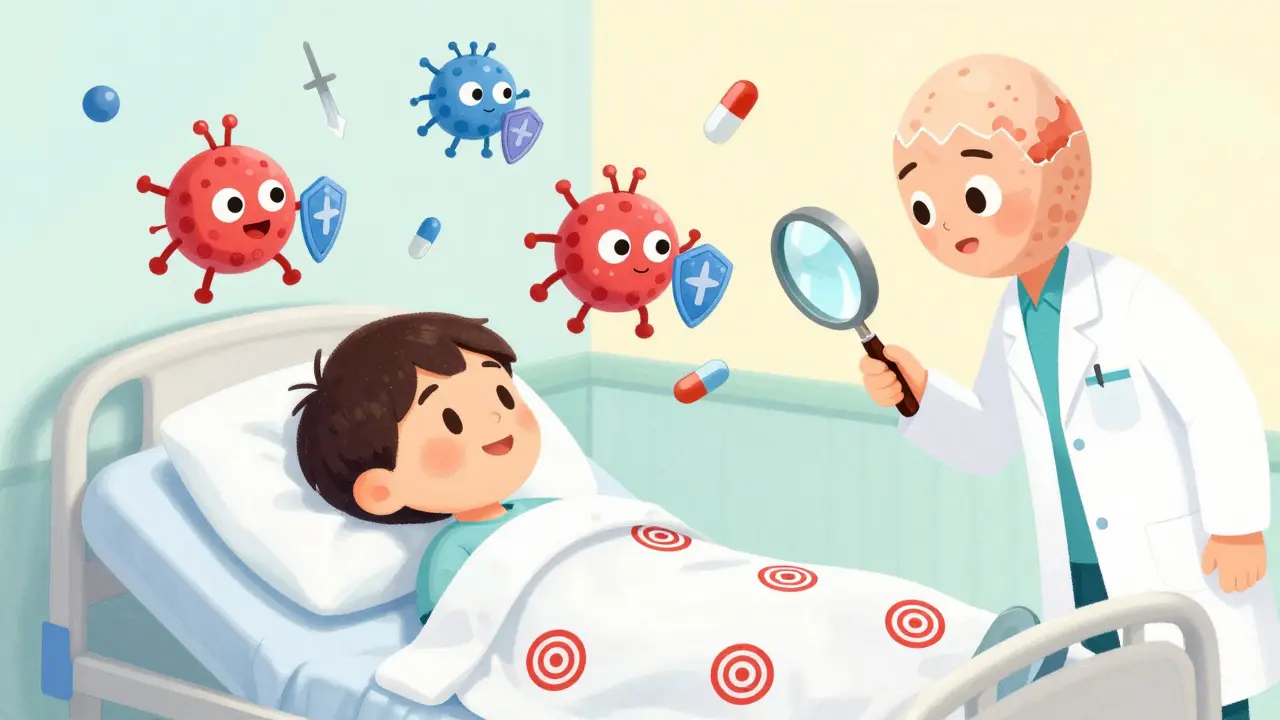
- A red, raised rash that looks like a target or bullseye
This is called serum sickness. It’s not usually deadly, but it can damage your kidneys or nerves if left unchecked. Stop the drug immediately and see a doctor. You’ll likely need steroids to calm the immune response.
Type IV: Severe Cutaneous Reactions-Skin Falling Off
This is the most horrifying. It’s called Stevens-Johnson Syndrome (SJS) or Toxic Epidermal Necrolysis (TEN). It starts like a bad flu-fever, sore throat, burning eyes-then your skin begins to blister and peel. In TEN, more than 30% of your skin detaches, like a severe burn. The mortality rate for TEN is 30-50%.
Common culprits: allopurinol (for gout), sulfonamide antibiotics, carbamazepine (for seizures), and some NSAIDs. If you notice skin sloughing, blisters in your mouth or eyes, or peeling skin after taking a new drug-go to the ER immediately. This isn’t a dermatologist appointment. This is a burn unit emergency.
When to Call 911-Not Your Doctor
You don’t wait. You don’t call your pharmacist. You don’t check WebMD. If you have any of these symptoms after taking a drug, call 911 or go to the nearest emergency room:
- Swelling of the face, lips, tongue, or throat
- Difficulty breathing or wheezing
- Feeling like you’re going to pass out
- Severe dizziness or confusion
- Rash with blistering or peeling skin
- Blisters in your mouth, eyes, or genitals
- High fever with skin changes
- Uncontrolled bleeding or bruising
These aren’t "maybe" signs. They’re red flags. The Resuscitation Council UK says: "Don’t wait for a diagnosis. If you suspect anaphylaxis, give epinephrine right away." Same rule applies here. If you have an epinephrine auto-injector (like an EpiPen), use it. Then call for help. Don’t wait to see if it gets better.
What Happens in the ER?
Emergency teams follow a clear protocol. First, they stop the drug. Then they stabilize you. For anaphylaxis: epinephrine injection, oxygen, IV fluids, and sometimes a breathing tube. For SJS/TEN: you’re moved to a burn unit, given IV fluids, pain control, and infection prevention. For blood reactions: you’re checked for low counts, given transfusions if needed.
Doctors will ask you: What drug did you take? When? Did you take it before? Do you have a history of allergies? Write this down. Bring your pill bottles. This info saves time-and lives.
What You Can Do Before It Happens
Prevention is better than emergency care. Here’s how to protect yourself:
- Know your allergies. If you’ve had a reaction before, write it down. Include the drug name, symptoms, and date. Show this to every new doctor.
- Carry epinephrine if you’re at risk. If you’ve had anaphylaxis before, your doctor should prescribe an auto-injector. Learn how to use it. Practice with a trainer device. Keep it with you-everywhere.
- Ask about alternatives. If you’re prescribed a new drug, ask: "Is there a different option if I have a reaction?" Some drugs have safer substitutes.
- Don’t reuse old meds. Just because you took amoxicillin last year doesn’t mean it’s safe now. Reactions can happen suddenly, even after years of safe use.
- Report reactions. Tell your doctor. Report it to the FDA’s MedWatch program. These reports help track dangerous drugs before they hurt more people.
Why This Matters More Than You Think
Every year in the U.S., 7,000 to 9,000 people die from severe drug reactions. Many of these are preventable. A simple misdiagnosis. A delayed call for help. A fear of using epinephrine because "it might be overkill." But here’s the truth: when your body is shutting down, "overkill" is what keeps you alive.
What Comes After the Emergency
Surviving a severe reaction isn’t the end. It’s the start of a new chapter. You’ll need follow-up care:
- Allergy testing. Skin or blood tests can confirm what triggered the reaction.
- Medical alert ID. Wear a bracelet or necklace that lists your drug allergies.
- Update your records. Make sure your primary care doctor, pharmacist, and ER have your allergy list.
- Family education. Teach someone close to you how to use your epinephrine injector. In a crisis, you won’t be able to help yourself.
Final Warning
Medications save lives. But they can also take them-fast. If you feel something is terribly wrong after taking a pill, injection, or IV drip-trust your gut. Don’t rationalize it. Don’t wait. Don’t hope it goes away.
Severe drug reactions don’t wait. Neither should you.

Comments (14)
siva lingam
lol why are we all suddenly panic doctors now
Alexandra Enns
I’ve seen this happen to my cousin in Toronto - took one ibuprofen and woke up in the ER with her tongue swollen like a balloon. They had to intubate her. And guess what? The doctor said "it’s rare" - yeah right. It’s rare until it’s YOU. Canada needs better drug safety tracking, not just pamphlets. We’re not in the 90s anymore.
Don Foster
Anaphylaxis is just a misdiagnosed panic attack 80 of the time and everyone knows it but nobody wants to admit the healthcare system is just a fear machine selling epipens to the gullible
Marie-Pier D.
This is so important ❤️ I’ve had friends who waited because they thought it was just "a bad allergy" and ended up in ICU. Please if you’re reading this - trust your body. If something feels wrong after a med? RUN. Don’t text your doctor. Don’t Google it. Just GO. I’m so glad this info is out there 💪
Patrick Gornik
The entire pharmacological paradigm is predicated on a Cartesian dualism that divorces the somatic from the symbolic - we treat drugs as inert chemical agents when in fact they are ontological disruptors that expose the fragility of the embodied self. The immune system doesn’t just react - it mourns. It remembers. And when it retaliates? It’s not a side effect. It’s a metaphysical rebellion against the colonial architecture of pharmaceutical hegemony. Epinephrine? A temporary Band-Aid on a wound that’s been festering since the patent office first greenlit profit over personhood.
Luke Davidson
I used to think I was just "sensitive" to meds until I got SJS after a sulfa antibiotic. Skin peeled off my arms like wallpaper. Burn unit for 3 weeks. Now I wear a medical alert bracelet and carry two EpiPens. I don’t care if it seems excessive - I’m alive. If you’ve ever had a weird reaction even once? Get tested. Tell someone. Don’t be the guy who says "it was probably nothing" - because it might not be nothing next time.
Heather McCubbin
People still take meds like they’re candy and then act shocked when their body says NO. You think your grandma’s aspirin is safe? You think your trendy turmeric supplement isn’t interacting? Wake up. The system doesn’t care if you live or die - only if you pay for the next pill. You’re not special. Your body isn’t a lab rat. Stop being lazy and educate yourself or just die quietly
Juan Reibelo
I’m a paramedic in Vancouver, and I’ve seen this too many times… Someone takes a new antibiotic, gets a rash, says "it’s just dry skin," waits two days… then shows up unconscious. We get them stabilized, but the damage? Sometimes it’s permanent. I’ve held people’s hands while their skin fell off. It’s not dramatic. It’s real. Please - if you’re unsure, go to the ER. It’s better to be wrong and alive than right and dead.
Viola Li
I’m sorry but this post is just fearmongering. Most people never have these reactions. Why are we turning every minor itch into a life-or-death crisis? The real problem is overmedication and overdiagnosis - not the drugs themselves. People need to stop being so fragile.
blackbelt security
This isn’t just info - it’s survival training. I train first responders and I tell them: when the body screams, you don’t whisper back. You ROAR. Epinephrine isn’t a last resort - it’s your first weapon. If you’re scared to use it? Practice. Buy a trainer. Teach your kids. Your life isn’t a gamble - it’s your responsibility.
Josh McEvoy
bro i took celebrex last year and my face looked like a raisin for 3 days… i thought it was just stress… now i know… 😵💫🩸
Karen Conlin
I’m a nurse. I’ve seen Type IV reactions in teens after taking allopurinol for gout. They didn’t know they were at risk. Their parents didn’t know. No one told them. This post? It’s not alarmist - it’s a lifeline. Share it. Print it. Put it on your fridge. Your next life could depend on someone seeing this before it’s too late.
venkatesh karumanchi
In India, people buy antibiotics over the counter like candy. No prescription. No warning. I’ve seen patients come in with TEN after taking diclofenac for a headache. They didn’t even know it was dangerous. This info should be in every pharmacy, every school, every village clinic. Knowledge is the only real medicine here.
Tommy Sandri
The institutional response to severe adverse drug reactions remains fragmented across jurisdictions, with inconsistent reporting mechanisms and a lack of standardized patient education protocols. While the clinical manifestations described are well-documented, the sociopolitical infrastructure necessary to mitigate these events at scale is under-resourced and under-prioritized. A systems-level intervention - not merely individual vigilance - is required.