
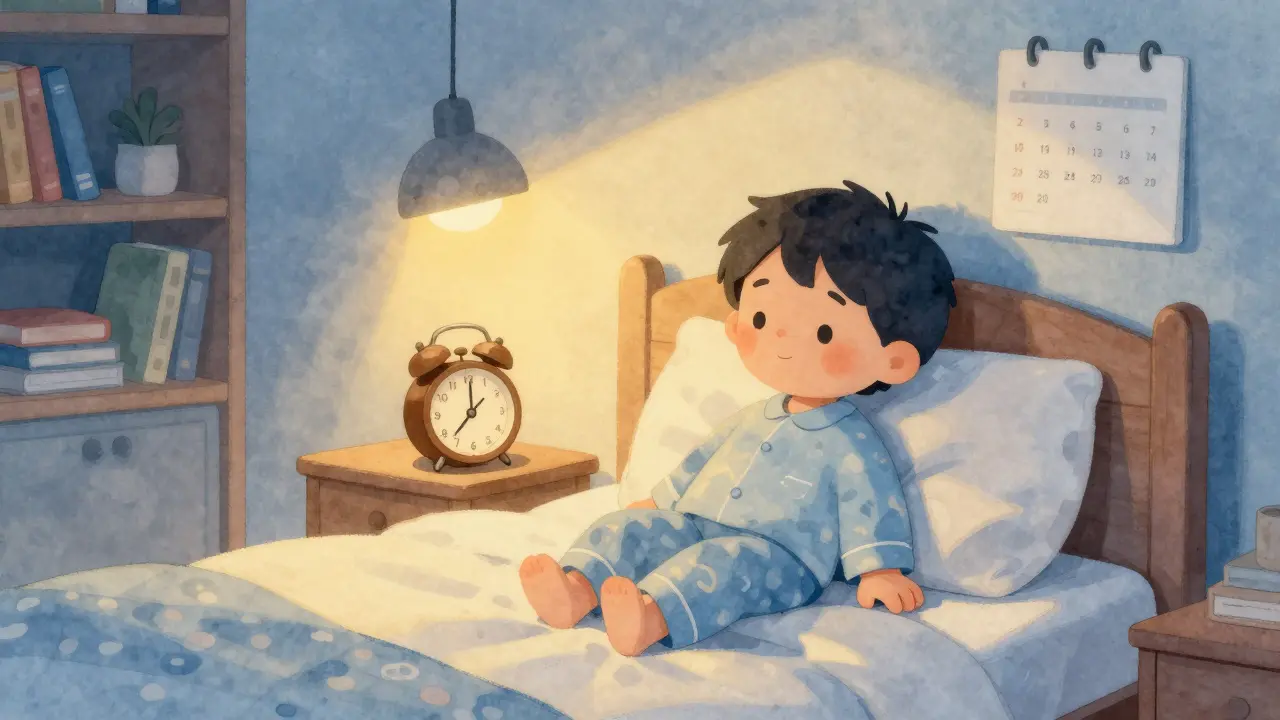
You drag yourself out of bed every morning, eyes heavy and mind foggy, wondering why that eight-hour night in bed never feels like enough rest. You might blame stress or work, but often the culprit is something much simpler: how you behave leading up to bedtime. Sleep Hygiene is a comprehensive set of evidence-based behavioral and environmental practices designed to optimize sleep quality. Unlike taking a pill that masks symptoms, this approach fixes the root cause by training your body to expect sleep. In 2023, research showed that implementing proper habits could reduce insomnia severity by 30-40%. That’s not just feeling a bit fresher; that’s clinically significant improvement without relying on pharmaceuticals.
The Four Pillars of Restorative Sleep
Sleep hygiene encompasses four primary behavioral domains, according to the National Sleep Foundation. These aren't random tips pulled from blogs; they are structured around how your biology actually works. First, there is the routine factor. Your brain loves consistency. Going to bed and waking up at consistent times within a 30-minute window daily signals your internal clock that it is safe to wind down. If you wake up at 6:00 AM on weekdays but 10:00 AM on weekends, you effectively create jet lag for yourself every Sunday. Stick to a schedule even when you aren't working.
"Sleep hygiene is necessary but insufficient for treating insomnia, serving as the foundation upon which more intensive therapies are built." - Dr. Rachel Salas, Johns Hopkins University
Optimizing Your Sleep Sanctuary
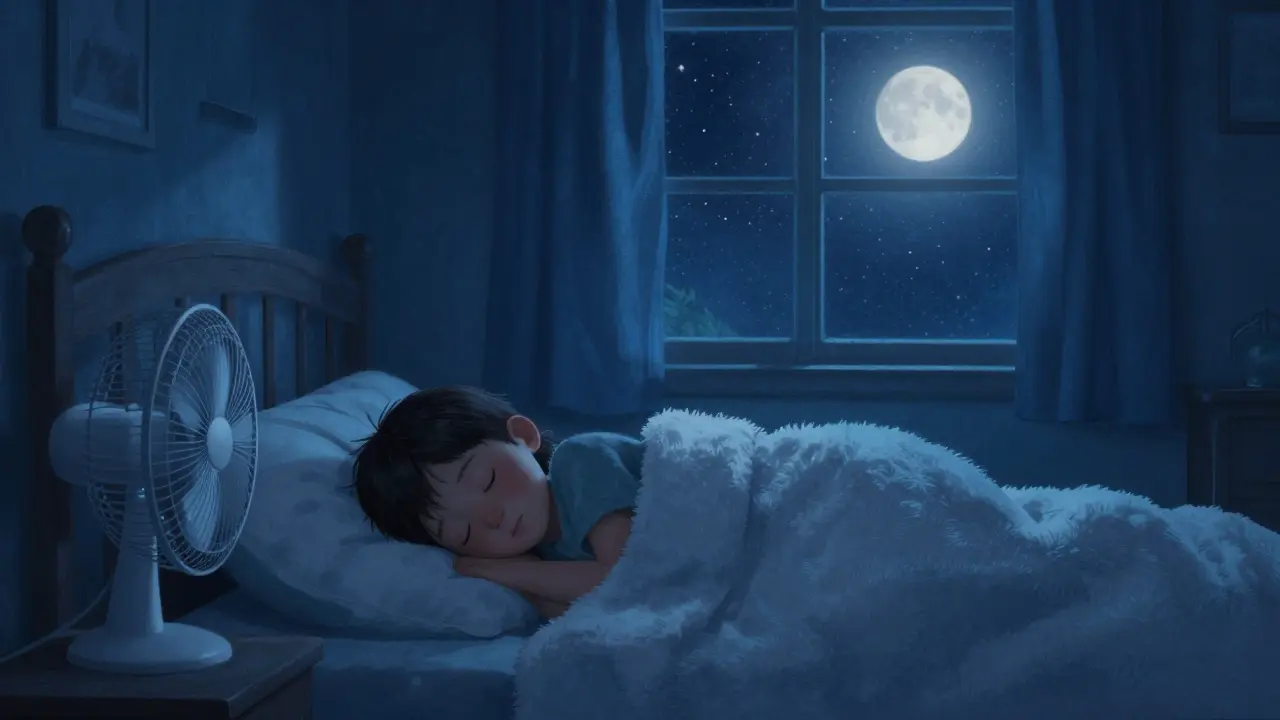
Your bedroom environment is the second pillar. It is not just about a soft mattress. Temperature plays a massive role. To facilitate deep sleep, your core body temperature needs to drop. Maintain your bedroom temperature at 60-67°F (15.6-19.4°C). If you keep your house warmer, consider cooling sheets or a fan. Light exposure matters just as much. During sleep, aim for light exposure below 5 lux. That is pitch black. Even small LED lights from chargers or smartwatches can disrupt melatonin production. Blackout curtains or a well-fitted eye mask are not optional accessories; they are functional tools for biological regulation.
Calming the Pre-Sleep Mind
Many people assume their sleep issues start at bedtime. Actually, the problem often begins hours earlier in the form of pre-sleep cognitive regulation. This involves reducing perseverative cognition-the cycle of worrying about tomorrow's problems while lying in the dark. A 2023 meta-analysis found that limiting negative emotionality in the 60 minutes before bed was a stronger predictor of sleep quality than room temperature alone. Try a "brain dump" exercise. Write down everything bothering you or tasks you need to do next day on paper. Close the notebook. Tell yourself the information is safe until morning. Then, spend that last hour doing low-stimulation activities like reading fiction or stretching, rather than scrolling through social media.
Physiological Preparation and Timing
Your body chemistry dictates whether you stay asleep. Avoid caffeine 8 hours before bedtime. If you sleep at 10:00 PM, that means cutting off coffee by 2:00 PM. Caffeine has a half-life of five to six hours, meaning half of what you consumed is still active in your bloodstream when you try to sleep. Fluid intake also needs management. Limit fluids two hours before sleep to prevent waking up to use the bathroom. Heavy meals within three hours of bedtime can trigger digestion processes that interfere with sleep onset. Interestingly, while older advice warned against exercise near bedtime, newer data suggests late-afternoon activity may actually improve sleep quality for many, provided it isn't too intense right before sleeping.
| Behavior Domain | Specific Action | Impact Metric |
|---|---|---|
| Consistency | Wake time within 30-min window | -0.34 beta coefficient on sleep latency |
| Environment | Brightness below 5 lux | Maintains circadian rhythm |
| Cognition | Reduce worries 60 mins prior | -0.41 beta coefficient on arousal |
| Nutrition | No caffeine 8 hours prior | Reduces sleep fragmentation |
Comparing Behavior vs. Medication
Why bother with these habits instead of just buying sleeping pills? Pharmaceutical interventions like zolpidem show faster initial effects, reducing sleep onset latency by about 22 minutes in the first week. However, reliance builds quickly. FDA data indicates that 30% of users develop dependence after just eight weeks of regular use. Sleep hygiene takes longer-typically 2 to 4 weeks for measurable improvement-but the benefits tend to be sustainable long-term without side effects. Implementing five or more evidence-based practices consistently results in a 2.1-point reduction on the Pittsburgh Sleep Quality Index, moving scores from clinically impaired to subclinical range. It is a slower burn that doesn't require a prescription.

Overcoming Implementation Barriers
We all know what we should do, but doing it is hard. The biggest hurdle reported by adults is maintaining consistency across weekends. Work demands shift, and the desire to catch up on sleep creeps in. Habit stacking helps here. Pair a new sleep behavior with an existing routine. For example, "after I brush my teeth, I will dim the lights." This increases adherence rates to 79%. Technology can assist without replacing good habits. Apps like Sleep Cycle track patterns, helping you see if your alarm is going off during a deep sleep phase or a light one. They provide feedback loops that manual diaries sometimes miss.
Be realistic about expectations. Not every rule works for everyone. A PMC study noted that 'going to bed hungry' benefited 63% of participants but hurt 22%. Pay attention to your own body. If skipping dinner leaves you anxious and awake, have a small, protein-rich snack instead. Listen to the data from your life, not just general guidelines.
When Self-Help Isn't Enough
Sometimes behavior modification hits a wall. Clinical insomnia, defined by severe distress and impairment lasting over three months, often requires Cognitive Behavioral Therapy for Insomnia (CBT-I). Sleep hygiene forms the base of CBT-I, accounting for roughly 45-60% of its effectiveness. But CBT-I adds cognitive restructuring to address unhelpful beliefs about sleep. If you've tried these changes for a month and see zero progress, or if snoring is causing gasping, consult a specialist. The American Academy of Sleep Medicine gives sleep hygiene a strong recommendation for healthy adults but notes it is only a weak recommendation as a standalone cure for chronic medical insomnia.
Is it better to drink warm milk or take a supplement before bed?
Warm milk offers a psychological comfort effect rather than a chemical one. Supplements like melatonin are effective for circadian shifts but should be used short-term. Behavioral changes yield more consistent long-term results than nightly supplementation.
Do blue light glasses actually work for sleep?
They reduce sleep onset latency by only 4-7 minutes. According to 2024 reviews, consistent sleep scheduling impacts your quality far more than wearing filters while scrolling on a phone.
Blue light filtering glasses offer minor benefits, typically reducing sleep onset latency by 4-7 minutes. However, recent updates suggest that consistent sleep scheduling is significantly more impactful than avoiding screens entirely or wearing glasses. The act of engaging with stimulating content is usually the bigger issue.
How long does it take to see improvements?
Establishing baseline patterns takes 7-10 days using sleep diaries. Noticeable improvements typically occur after 14-21 days of consistent practice, though full stabilization may take a few weeks longer.
Can napping ruin my sleep hygiene?
Yes, limited daytime napping is strongly associated with better sleep quality. Long naps or inconsistent napping schedules can deplete sleep pressure, making it harder to fall asleep at night.
What if I have a busy job that prevents consistency?
Prioritize your wake-up time above all else. If you cannot sleep early due to work, waking at the same time forces a buildup of sleep pressure, eventually helping you drift off earlier naturally.

Comments (9)
Austin Oguche
i found going to bed earlier helps way more than trying to sleep longer on weekends consistency is key and sticking to the schedule even on days off works wonders for fixing the cycle it takes effort but results speak for themselves
Aaron Olney
Oh my god this is literally saving my life rn!! I tried setting an alarm but forgot to turn it off on saturday so now im screwed again tehz worst. But seriously the blue light glasses part made me realise why my eyes hurt so much every morning its crazy!!!
Jordan Marx
from a chronobiological perspective aligning your suprachiasmatic nucleus output with environmental cues is crucial for phase stability. the adenosine buildup theory supports the need for fixed wake times to ensure sufficient homeostatic pressure by bedtime. circadian entrainment becomes significantly impaired if you introduce social jet lag through weekend variability. optimizing melatonin secretion requires absolute darkness below five lux as mentioned in the original post. sleep inertia is also reduced when waking occurs during lighter REM stages rather than deep NREM. implementing cognitive behavioral therapy techniques regarding arousal management helps dampen hyperarousal symptoms effectively. neural fatigue dissipates better when you avoid cortisol spikes prior to rest onset.
Sabrina Herciu
That is a fantastic explanation of the underlying physiology! Furthermore, you must ensure that your bedroom temperature stays cool--specifically between sixty and sixty-seven degrees Fahrenheit! Many individuals overlook this simple metric! Consequently, their thermoregulation fails during the critical non-REM phases of sleep! Additionally, do not forget about the noise levels! White noise machines can mask intermittent sounds that trigger micro-arousals throughout the night!
Monique Ball
I really relate to the caffeine cutoff timing mentioned here because it was the hardest thing for me to implement initially.
My favorite morning drink used to be a double espresso that I would have right around lunchtime even though I knew it was bad.
It took me several weeks of strict discipline before my body finally stopped expecting that stimulant kick during the afternoon slump.
Now I switch to herbal teas which feel so much calmer for my nervous system overall.
Another huge win for me was actually investing in blackout curtains instead of just relying on my cheap blinds.
The difference in sleep quality when the room is truly dark cannot be overstated enough really honestly speaking.
I also started using a heating pad before bed because cold feet always kept me tossing and turning endlessly throughout the night hours.
Warming up my core temperature slightly before I drift off seems to help regulate the cooling process better later.
Sometimes people think sleep hygiene is boring but these small tweaks make such a massive impact on your mood.
You wake up feeling refreshed instead of groggy which changes everything about how you tackle your daily responsibilities too.
Consistency on weekends is definitely the trickiest part for most of us since we want to sleep in naturally.
However forcing yourself to get up at the same time keeps your internal clock aligned without creating that terrible Sunday scaries feeling.
If you struggle with the writing down worries idea I highly suggest trying a dedicated journal specifically for thoughts.
Putting those anxieties on paper allows your brain to release them rather than keeping them circulating inside your head constantly.
I hope everyone finds their perfect routine soon because rest is truly the foundation of mental health 💤✨🛌.
Jeannette Kwiatkowski Kwiatkowski
Look, while Monique's tips are cute, true sleep optimization isn't just about buying blackouts curtains. High performers know that sleep architecture is genetic to a degree. Most of y'all aren't listening to your biology, just following internet trends. Real sleep mastery comes from understanding your unique chronotype, not generic advice. Stop romanticizing the struggle and look at the data. Basic self-care doesn't solve executive dysfunction caused by lifestyle choices.
Philip Wynkoop
Just keep your wake time fixed no matter what :)
Richard Kubíček
Sleep is the nightly death we choose for survival. We often fight against surrender rather than embracing the void our bodies need. It is a paradox of control versus letting go completely. When we plan our rest we plan our ability to face existence tomorrow. The discipline of the mind mirrors the discipline of the night. True peace begins when the mind stops demanding answers in the dark. We must respect the silence as much as we value the noise of our days.
Eva Maes
Richard, your poetic drivel misses the brutal biological reality entirely. Sleep isn't a spiritual surrender, it's a metabolic reset you're clearly ignoring. Your metaphors don't fix insomnia severity indices or fragmentation rates. Stop waxing lyrical and check your polysomnography reports instead. It's exhausting reading this philosophical fluff when practical metrics exist. Wake up and smell the data, not your own ego.