Antipsychotic Medication: What They Are, How They Work, and What You Need to Know
When someone hears voices, feels paranoid, or loses touch with reality, antipsychotic medication, a class of drugs designed to reduce symptoms of psychosis like hallucinations and delusions. Also known as neuroleptics, it helps restore balance in brain chemistry—especially around dopamine and serotonin pathways. These aren’t sedatives or mood stabilizers by default, though they often help with those too. They’re the first line of defense for conditions like schizophrenia, a chronic brain disorder involving distorted thinking, emotional flatness, and sometimes hallucinations, and bipolar disorder, a condition where extreme mood swings between mania and depression can include psychotic features.
Not all antipsychotics are the same. First-generation ones, like haloperidol, hit dopamine hard and can cause shaking, stiffness, or tardive dyskinesia—uncontrollable movements that stick around. Second-generation drugs, like risperidone or quetiapine, are gentler on movement but can spike weight gain, blood sugar, or cholesterol. And here’s the catch: mixing them with St. John’s Wort, a popular herbal supplement for low mood or certain SSRIs can trigger serotonin syndrome, a rare but dangerous overload of serotonin that causes fever, confusion, rapid heartbeat, and even seizures. That’s why you can’t just swap meds or add supplements without talking to your doctor.
Side effects aren’t always obvious right away. Some people feel sluggish for weeks before realizing it’s the drug. Others develop restless legs or a jittery inner restlessness called akathisia, a side effect often mistaken for worsening anxiety or psychosis. That’s why tracking symptoms matters—writing down changes in sleep, appetite, or movement can help your provider adjust the dose before things get worse. And while these meds can be life-changing, they’re not always the only option. Therapy, social support, and lifestyle tweaks can make a real difference, especially when paired with the right drug.
What you’ll find below isn’t a textbook. It’s real talk from people who’ve been there. You’ll see how antipsychotic medication interacts with other drugs, what alternatives exist, how to spot dangerous reactions, and why some people stop taking them—not because they don’t work, but because the side effects felt worse than the symptoms. There’s no one-size-fits-all here. But there is a path forward, and it starts with knowing what you’re taking and why.
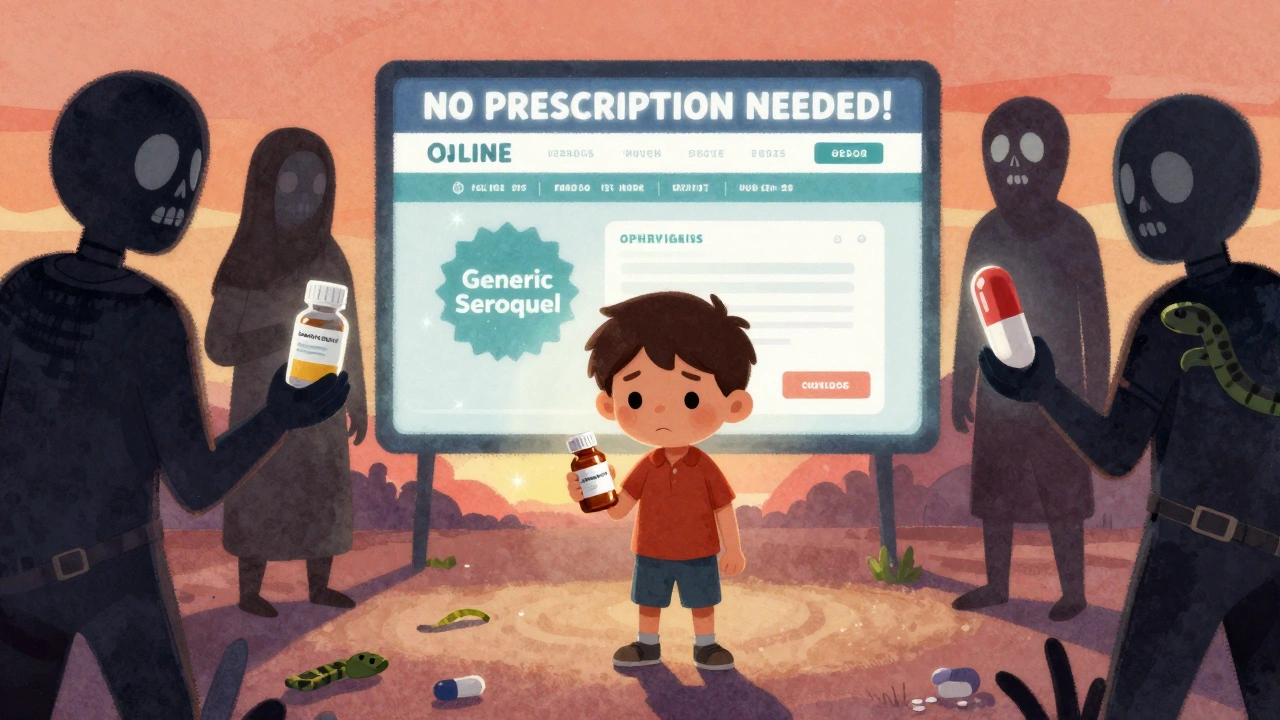
Buy Online Cheap Generic Seroquel: What You Need to Know Before You Order
Buying cheap generic seroquel online may seem like a cost-saving trick, but it's dangerous and often illegal. Learn how to get real, affordable quetiapine safely with a prescription - and avoid deadly counterfeit pills.
View More
© 2026. All rights reserved.