Biosimilar vs Generic: What’s the Real Difference and Why It Matters
When you hear generic drugs, lower-cost versions of brand-name medications that contain the same active ingredient and meet FDA standards for safety and effectiveness. Also known as non-brand drugs, they make up over 90% of prescriptions in the U.S., you think you’re getting the same thing at a lower price. But what about biosimilars, complex, biologically derived drugs that mimic brand-name biologics but aren’t exact copies due to their intricate manufacturing process. Also known as biologic generics, they’re a newer category that’s changing how we treat cancer, autoimmune diseases, and diabetes.? They’re both cheaper than brand-name drugs, but that’s where the similarity ends. Generics are simple chemical copies. Biosimilars are like identical twins of living, complex molecules—nearly the same, but not exactly. The FDA requires generics to prove they’re bioequivalent, meaning they work the same way in your body. Biosimilars need to show they’re highly similar with no clinically meaningful differences in safety or effectiveness. That’s a much higher bar.
Why does this matter to you? If you’re on a drug like Humira or Enbrel for rheumatoid arthritis, you’re not getting a generic—you’re getting a biosimilar. These drugs are made from living cells, not chemicals, so you can’t just swap them like aspirin. A generic ibuprofen is chemically identical to Advil. A biosimilar to Humira might have tiny structural differences that don’t affect how it works, but those differences can’t be ignored. That’s why biosimilars cost more than generics—sometimes half the price of the brand, not 80% less. And while generics can be switched freely at the pharmacy, biosimilars often require a doctor’s approval. You can’t just swap one for another without knowing what you’re getting.
There’s also the issue of trust. Many doctors still aren’t fully trained on biosimilars. Medical schools focus on generics because they’ve been around for decades. Biosimilars are newer, and their long-term data is still building. Patients hear "similar" and wonder if it’s good enough. But real-world data from Europe and the U.S. shows biosimilars work just as well for most people. The real difference isn’t in effectiveness—it’s in complexity, cost, and how they’re regulated. Generics are about chemistry. Biosimilars are about biology. And both are helping millions save money without sacrificing care.
Below, you’ll find real, practical posts that break down how these drugs are made, priced, and prescribed. You’ll see how PBM negotiations affect what you pay, how FDA rules are changing to boost U.S. production, and why some doctors still hesitate to prescribe biosimilars. Whether you’re managing a chronic condition, helping a family member, or just trying to understand your prescription, this collection gives you the facts—not the marketing.
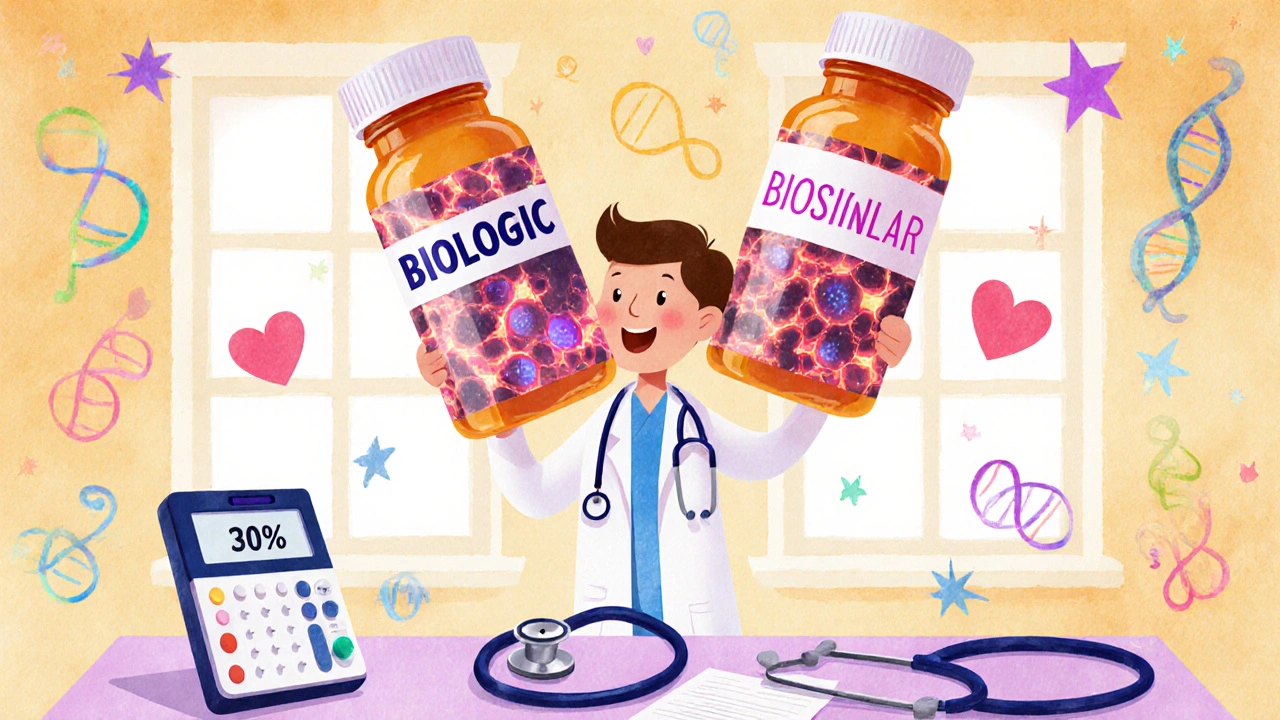
Provider Education: Understanding Biosimilar Differences
Biosimilars offer major cost savings and equal efficacy to biologics, but provider confusion about how they differ from generics limits patient access. Learn what makes them unique, why adoption varies by specialty, and how education closes the knowledge gap.
View More
© 2026. All rights reserved.