Drug Lot Numbers: What They Are and Why They Matter for Your Safety
When you pick up a prescription, the small print on the bottle isn’t just filler—it’s a drug lot number, a unique identifier assigned to a specific batch of medication produced at the same time under the same conditions. Also known as a batch number, it’s the key link between your pill bottle and the factory that made it. If something goes wrong—contamination, mislabeling, a faulty ingredient—this number lets manufacturers and regulators pull the exact affected batch before more people get hurt.
Drug lot numbers aren’t just for recalls. They’re part of a larger system called pharmaceutical safety, the network of checks, tracking, and reporting that ensures every drug you take meets quality standards. Think of it like a food expiration date, but for medicine. If your doctor hears about a problem with a certain drug, they can check the lot number on your bottle to see if yours is affected. Pharmacies use them to track inventory and spot expired or recalled products before they reach you. Even if nothing’s wrong, lot numbers help trace where a drug came from if you have an unexpected reaction.
Behind every lot number is a chain of control: raw materials, manufacturing conditions, testing results, and shipping logs. The drug recalls, official actions taken when a medication is found to be unsafe or defective. happen because these numbers exist. In 2022, the FDA pulled over 200 drug lots due to contamination or potency issues—all tracked by these codes. You don’t need to memorize them, but you should know how to find them. Look on the bottle, the box, or the pharmacy label. If you’re ever unsure whether your medication is part of a recall, the lot number is your first tool to check.
And it’s not just about big recalls. Lot numbers help you and your pharmacist spot inconsistencies—like pills that look different from last time, or a new side effect that doesn’t match the usual profile. If your generic blood pressure pill suddenly feels different, the lot number lets you report it accurately and get the right answer fast.
Below, you’ll find real-world guides on how medications are made, tested, and tracked—from cleanroom standards to how generics get approved. You’ll learn how to read your prescription labels, what to do if your drug gets pulled, and why the same pill from two different pharmacies might have different lot numbers. This isn’t just paperwork. It’s your safety net.
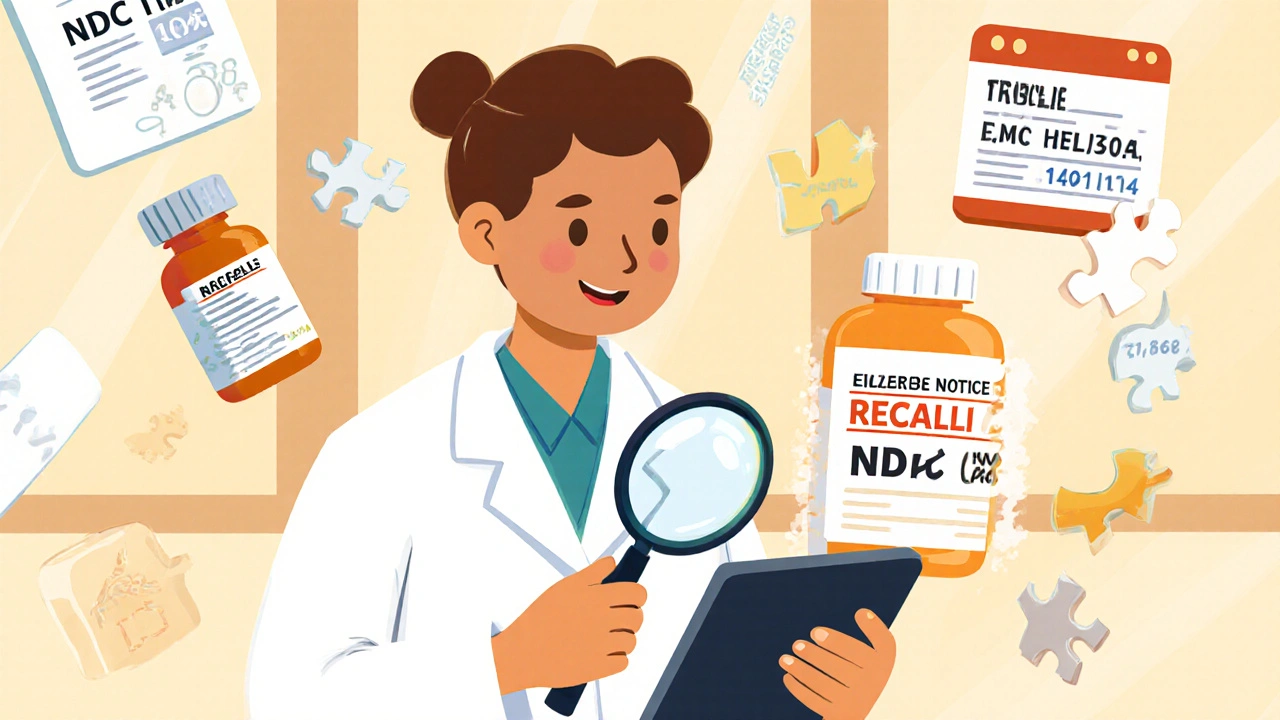
How to Verify Recall Notices and Affected Medication Lots
Learn how to properly verify medication recalls by matching lot numbers, using multiple sources, removing affected drugs, and documenting every step to ensure patient safety and regulatory compliance.
View More
© 2026. All rights reserved.