FDA Biosimilars: What They Are, How They Save Money, and What You Need to Know
When you hear FDA biosimilars, lower-cost versions of complex biologic drugs approved by the U.S. Food and Drug Administration to have no clinically meaningful difference from the original. Also known as biosimilar biologics, they’re not the same as regular generics—they’re built from living cells, not chemicals, and take years to develop. These drugs target conditions like rheumatoid arthritis, cancer, and diabetes, where the original biologics can cost over $10,000 a year. The FDA doesn’t approve them lightly. Every biosimilar must prove it works the same way, in the same dose, with the same safety profile as the brand-name version. No shortcuts. No guesswork.
What makes biosimilars different from regular generics? Regular generics copy small-molecule drugs—simple pills made in labs. Biosimilars copy biologics, which are large, complex proteins made in living cells like yeast or bacteria. Because they’re so complex, you can’t copy them exactly. That’s why the FDA calls them "biosimilar," not "identical." But here’s the key: after rigorous testing, they deliver the same results. A 2022 study of over 10,000 patients using a biosimilar for rheumatoid arthritis showed the same response rates and side effects as the brand-name drug. No hidden downsides. Just lower prices.
The real win? Savings. Biosimilars can cut costs by 15% to 35% right out of the gate, and sometimes even more over time. For patients on long-term treatments—like insulin or TNF inhibitors for Crohn’s disease—that adds up to thousands saved each year. But here’s the catch: not all biosimilars are available everywhere. Some are blocked by patent fights, insurance restrictions, or hospital formulary rules. That’s why you might hear your doctor say, "We don’t carry it," even if it’s FDA-approved. It’s not about safety. It’s about logistics.
And it’s not just patients who benefit. Hospitals, Medicare, and Medicaid are under pressure to control spending. Biosimilars give them a legal, science-backed way to do it without compromising care. The FDA’s 2023-2025 approval changes are pushing more biosimilars to be made in the U.S., cutting reliance on foreign supply chains. That means more options, faster access, and fewer shortages.
What you’ll find in this collection are real-world stories and data-driven breakdowns. You’ll see how biosimilars stack up against brand-name biologics in cost, side effects, and effectiveness. You’ll learn how to check if your drug is a biosimilar, why your pharmacy might switch you without asking, and what to do if you’re worried about the change. We cover how insurers handle them, why some doctors still hesitate, and how to talk to your provider about switching. This isn’t theory. It’s what’s happening in clinics, pharmacies, and patients’ homes right now.
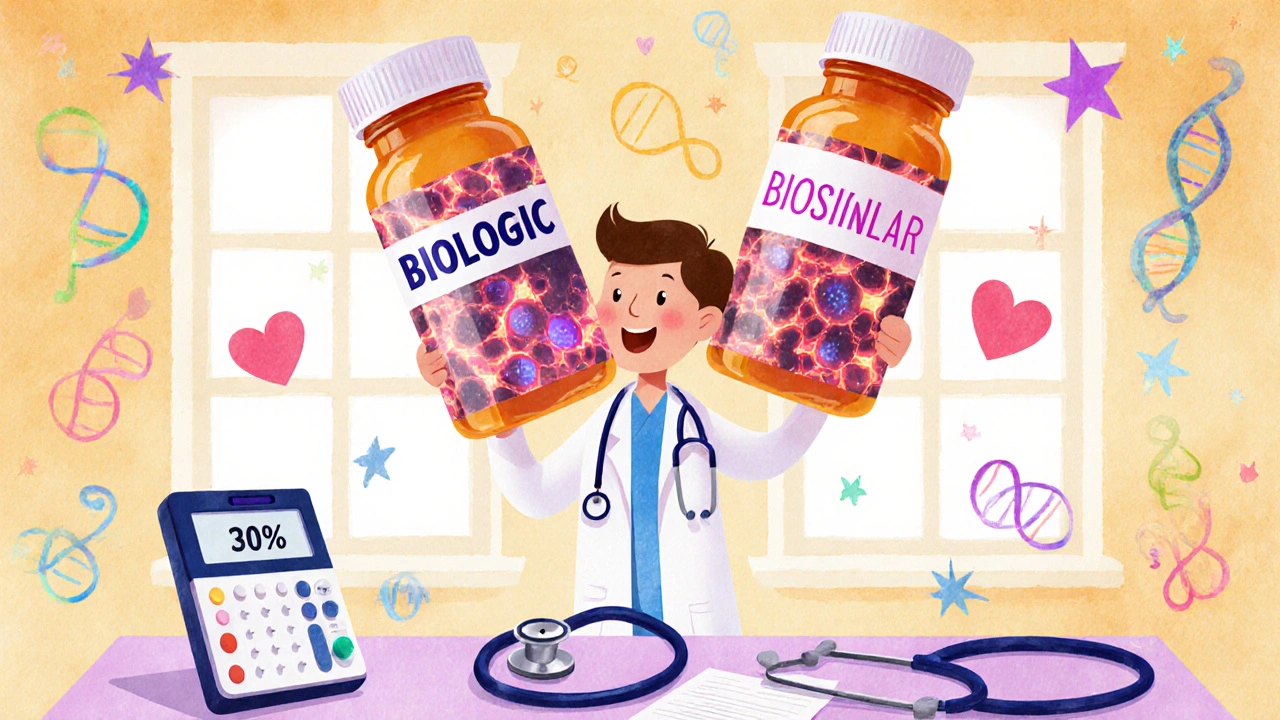
Provider Education: Understanding Biosimilar Differences
Biosimilars offer major cost savings and equal efficacy to biologics, but provider confusion about how they differ from generics limits patient access. Learn what makes them unique, why adoption varies by specialty, and how education closes the knowledge gap.
View More
© 2026. All rights reserved.