FDA Recall Process: How Unsafe Drugs Are Removed from the Market
When a drug becomes unsafe, the FDA recall process, the official system the U.S. Food and Drug Administration uses to remove harmful medications from circulation kicks in. It’s not a slow bureaucracy—it’s a targeted, fast-moving response designed to protect patients. The FDA doesn’t wait for hundreds of injuries to happen. If a manufacturer spots a problem, or if the FDA uncovers contamination, mislabeling, or life-threatening side effects, the recall begins immediately. This process is how drugs like contaminated cough syrups, mispackaged insulin, or pills with dangerous levels of a carcinogen get pulled before more people get hurt.
The drug recall, a voluntary or mandatory action to remove a defective medication from sale isn’t just about pulling bottles off shelves. It involves tracing every batch, notifying pharmacies, hospitals, and distributors, and often issuing public alerts. The FDA safety, the ongoing monitoring system that tracks adverse events and manufacturing quality plays a huge role here. Reports from doctors, patients, and labs feed into the FDA’s database. One bad reaction might be ignored. But if ten, then fifty, then hundreds of people report the same issue—like unexplained kidney damage or sudden heart rhythm changes—the FDA starts digging. They don’t just look at the drug. They check the factory, the ingredients, even the packaging line. A single contaminated batch can trigger a nationwide recall.
Not all recalls are the same. Some are Class I—meaning they could cause serious harm or death. Others are Class III, where the problem is mostly about labeling or minor contamination. But even a Class III recall matters. If your pill bottle says 50mg but actually contains 75mg, that’s a risk. The pharmaceutical recalls, systematic removal of medications due to quality, safety, or efficacy concerns you hear about aren’t random. They’re the result of real data, real complaints, and real investigations. And they’re more common than you think. In 2023 alone, over 1,000 drug recalls were issued in the U.S., most of them for manufacturing issues—not because the medicine didn’t work, but because it might be unsafe to take.
As a patient, you don’t need to wait for a news alert. If your medication suddenly looks different, smells odd, or you start having new side effects, talk to your pharmacist. They get recall notices before patients do. Check the FDA’s website for active recalls—no login needed. You can search by drug name, lot number, or manufacturer. The medication safety, the personal responsibility to verify drug integrity and report problems starts with you. Knowing how the system works helps you act fast. And that’s the whole point: stop harm before it spreads.
Below, you’ll find real-world examples of how recalls happen, what went wrong in past cases, and how to protect yourself when your prescription changes. These aren’t theoretical guides—they’re based on actual events, patient reports, and FDA actions you can verify yourself.
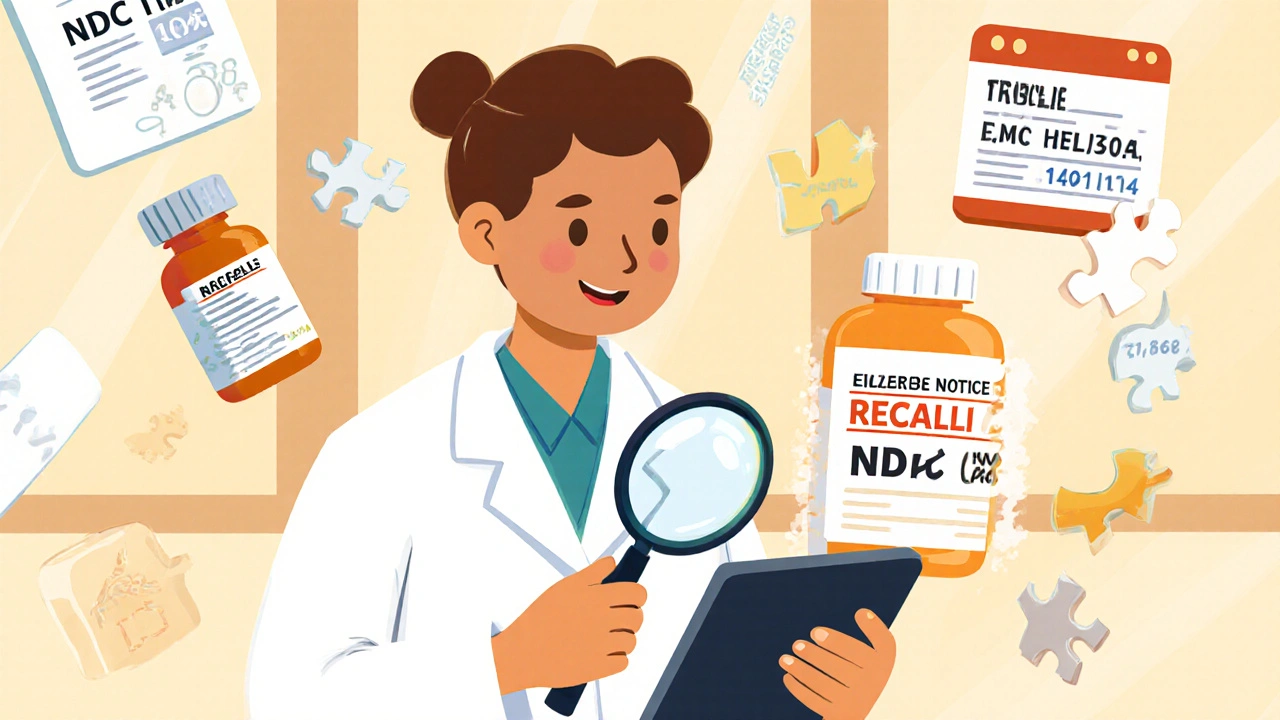
How to Verify Recall Notices and Affected Medication Lots
Learn how to properly verify medication recalls by matching lot numbers, using multiple sources, removing affected drugs, and documenting every step to ensure patient safety and regulatory compliance.
View More
© 2026. All rights reserved.