Herbal Antidepressant: Natural Options That Actually Work
When people search for a herbal antidepressant, a plant-based remedy used to ease symptoms of depression without prescription drugs. Also known as natural depression treatment, it’s not just a trend—it’s something millions try every year after weighing the risks of conventional meds. But not all herbal options are created equal. Some have solid science behind them. Others? They’re just expensive tea with a fancy label.
The most studied St. John’s wort, a yellow-flowered herb shown in clinical trials to reduce mild to moderate depression symptoms as effectively as some SSRIs. A 2016 review of 35 studies found it worked better than placebo and matched standard antidepressants—without the weight gain or sexual side effects. But here’s the catch: it interacts with over 50 common drugs, including birth control, blood thinners, and even HIV meds. Taking it without talking to your doctor isn’t just risky—it’s dangerous.
Then there’s SAM-e, a compound your body makes naturally, sold as a supplement to boost mood and support brain chemistry. Studies show it helps with depression, especially when used alongside other treatments. It’s also used for joint pain and liver issues, which is why some people take it for multiple reasons. But it’s expensive, and not everyone feels a difference. Then there’s omega-3 fatty acids, fats found in fish oil that influence brain signaling and inflammation. Research links low omega-3 levels to higher depression rates. People who eat more fatty fish or take high-quality fish oil supplements often report better mood stability—not a cure, but a meaningful support.
What’s missing from most herbal discussions? Context. These aren’t magic pills. They don’t fix trauma, chronic stress, or sleep deprivation. They work best when paired with movement, sunlight, and better sleep—things you’ll find covered in other posts here. You won’t see a herbal antidepressant replace a prescribed treatment for severe depression. But for mild cases, or as a bridge while adjusting meds, they can be part of a real plan.
And that’s why this collection matters. Below, you’ll find posts that dig into what’s actually proven—like how St. John’s wort compares to prescription drugs, why some supplements fail, and how nutrient gaps (like low iron or vitamin D) can mimic or worsen depression. You’ll also see how people manage side effects, avoid dangerous interactions, and track what works for them over time. No fluff. No hype. Just facts you can use to make smarter choices about your mental health.
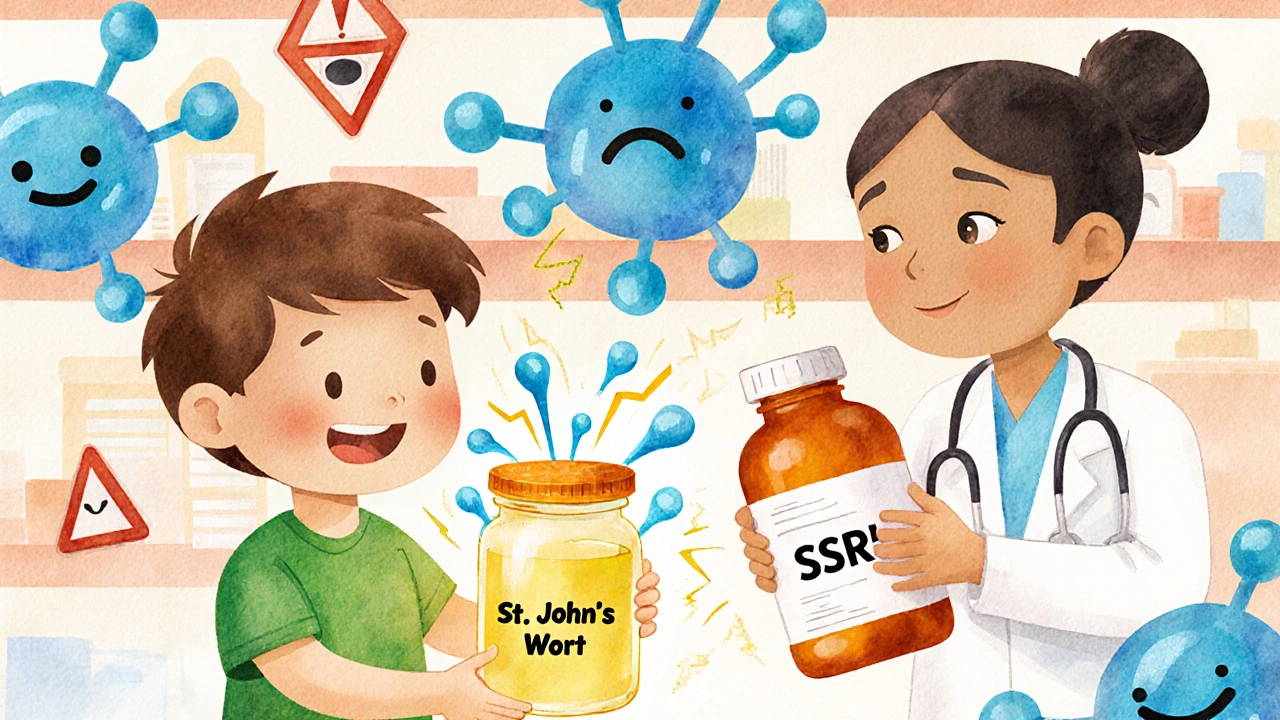
St. John’s Wort and SSRIs: The Hidden Danger of Serotonin Syndrome
Combining St. John’s Wort with SSRIs can cause serotonin syndrome - a dangerous, sometimes fatal condition. Learn why this herbal supplement isn't safe with antidepressants and what to do instead.
View More
© 2026. All rights reserved.