Medication Recall Verification: How to Stay Safe When Drugs Are Pulled
When a medication recall verification, the process of checking if a drug has been officially removed from the market due to safety risks. Also known as drug recall check, it’s not just paperwork—it’s your first line of defense against harmful or ineffective pills. Every year, hundreds of medications are pulled for reasons like contamination, incorrect dosing, or hidden side effects. These aren’t rare events. In 2023 alone, the FDA issued over 300 recalls for prescription and over-the-counter drugs. Many of them were generics—drugs you likely take every day without thinking twice.
That’s why drug recall, an official action by manufacturers or regulators to remove unsafe medications from shelves. Also known as pharmaceutical recall, it’s a critical system that keeps people safe. But here’s the problem: most patients never hear about it directly. You won’t get a text. Your pharmacy might not call. The label won’t change. So you have to check. And you need to know how. A recall can happen because of a faulty batch, a mislabeled container, or even a manufacturing error that turns a safe drug into a dangerous one. Think of it like a car recall—except instead of a brake defect, it’s a pill that could cause kidney damage, allergic reactions, or even death.
What makes this even trickier is that recalls don’t always mean the entire drug is bad. Sometimes only one lot number is affected. Your bottle might be fine. But how do you know? You need the lot number, the expiration date, and access to the FDA’s public recall database. And you need to know what to look for. The FDA doesn’t just pull drugs randomly. They act when there’s evidence—like reports of patients getting sick, lab tests showing contamination, or a manufacturer admitting a mistake. That’s why FDA recall, the official public notice issued by the U.S. Food and Drug Administration when a drug poses a health risk. Also known as regulatory drug withdrawal, it’s the most reliable source you have. Other countries have their own systems, but if you’re in the U.S., the FDA is your go-to.
Some recalls are urgent—Class I—meaning they could cause serious harm or death. Others are less risky, like Class III, where the problem is mostly labeling or packaging. But even a Class III recall matters. If your pill is labeled wrong, you might be taking double the dose. Or worse, you might be taking someone else’s medicine. That’s why pharmaceutical safety, the practice of ensuring medications are manufactured, labeled, and distributed without risk to patients. Also known as drug safety, it’s not just the job of regulators—it’s yours too. You’re the one swallowing the pill. You’re the one who notices if something feels off. You’re the one who can spot a change in color, smell, or how you feel after taking it.
What you’ll find below are real, practical guides that show you exactly how to verify a recall, what to do if your drug is pulled, and how to avoid being caught off guard. You’ll learn how to read a lot number, where to check for active recalls, why some drugs get pulled more than others, and how to talk to your pharmacist when something doesn’t feel right. These aren’t theoretical tips—they’re based on actual cases, patient reports, and regulatory data. You’ll also see how recalls connect to bigger issues like generic drug quality, manufacturing standards, and how hidden middlemen can impact what ends up in your medicine cabinet. This isn’t about fear. It’s about control. You deserve to know what’s in your body—and what to do when it’s not safe.
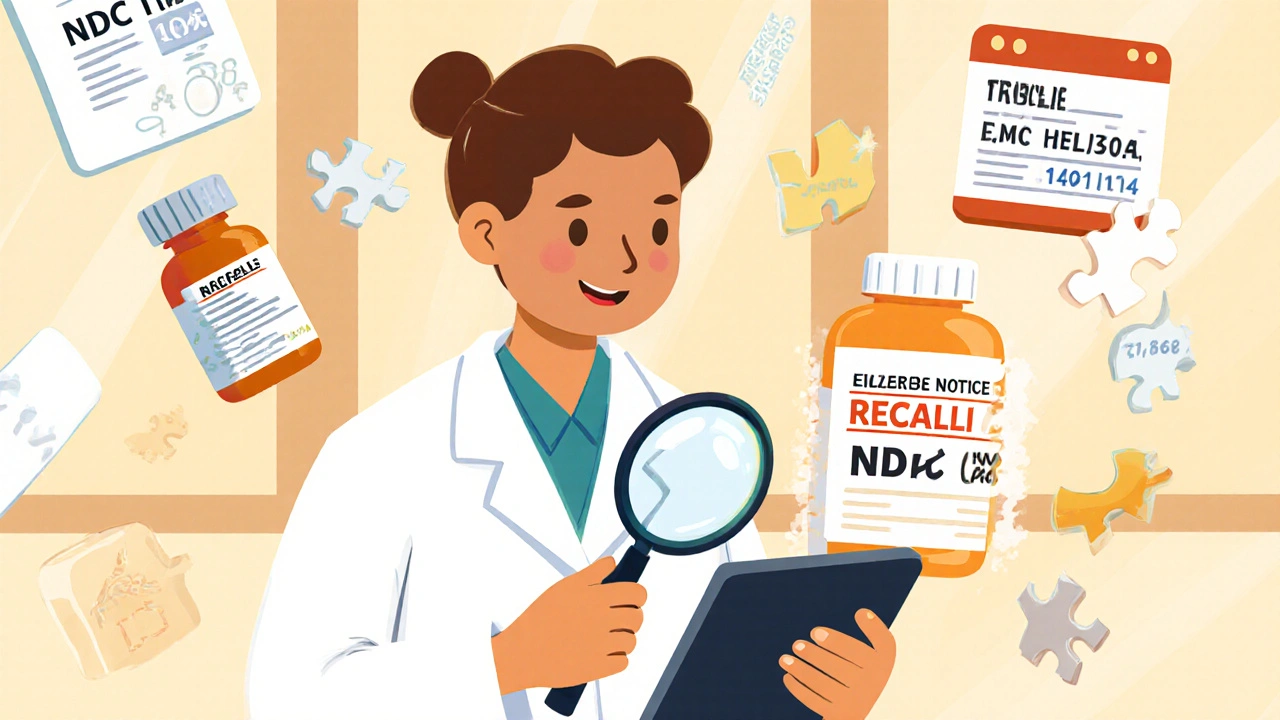
How to Verify Recall Notices and Affected Medication Lots
Learn how to properly verify medication recalls by matching lot numbers, using multiple sources, removing affected drugs, and documenting every step to ensure patient safety and regulatory compliance.
View More
© 2026. All rights reserved.