Pharmacy Recall Protocol: What Happens When Drugs Are Pulled from Shelves
When a pharmacy recall protocol, a formal system for removing unsafe or defective medications from the market. Also known as a drug recall, it’s the last line of defense between patients and potentially harmful products. It’s not just a notice on a website—it’s a coordinated action involving manufacturers, pharmacies, the FDA, the U.S. agency that oversees drug safety and approves recalls, and sometimes even the CDC. A single faulty batch can trigger a nationwide pull, and the whole system kicks in within hours. The goal isn’t to scare people, but to stop harm before it spreads.
Recalls happen for real, measurable reasons: contamination, incorrect labeling, potency issues, or pills that don’t dissolve properly. One batch of antibiotics might have trace metal from a faulty machine. Another might be missing the active ingredient entirely. Or a label could say "take with food" when it should say "take on empty stomach"—a small error that can cause serious side effects. The pharmaceutical quality control, the set of standards and testing procedures used to ensure drugs meet safety and effectiveness benchmarks isn’t perfect, but the recall system is designed to catch what slips through. Most recalls are Class III—low risk—but even those matter. A mislabeled pill might not kill you, but it could make your condition worse. And Class I recalls? Those are life-threatening. Think contaminated injectables or pills with deadly doses of a wrong drug.
What happens after the recall starts? Pharmacies get a list. They pull the affected lots off shelves. Patients who bought the drug get a call or a letter. Some pharmacies even scan your prescription history to find who might be affected. The manufacturer has to explain why it happened and how they’ll fix it. The FDA posts the details online so anyone can check if their medicine is on the list. You don’t need to be a pharmacist to understand this—you just need to know your meds. Keep your pill bottles. Save your receipts. Check the FDA’s recall page if you’re on a long-term drug. It’s not paranoia—it’s protection.
And here’s the thing: recalls aren’t rare. They happen every week. But most people never hear about them unless they’re personally affected. That’s why the pharmacy recall protocol exists—to make sure you’re not left in the dark. The posts below show you exactly how recalls connect to real-world problems: from contaminated generics to labeling errors that led to hospital visits, from how cleanroom failures trigger multi-state pulls to how patients can track their meds after a recall. You’ll see how a single batch can ripple through the system—and what you can do to stay safe.
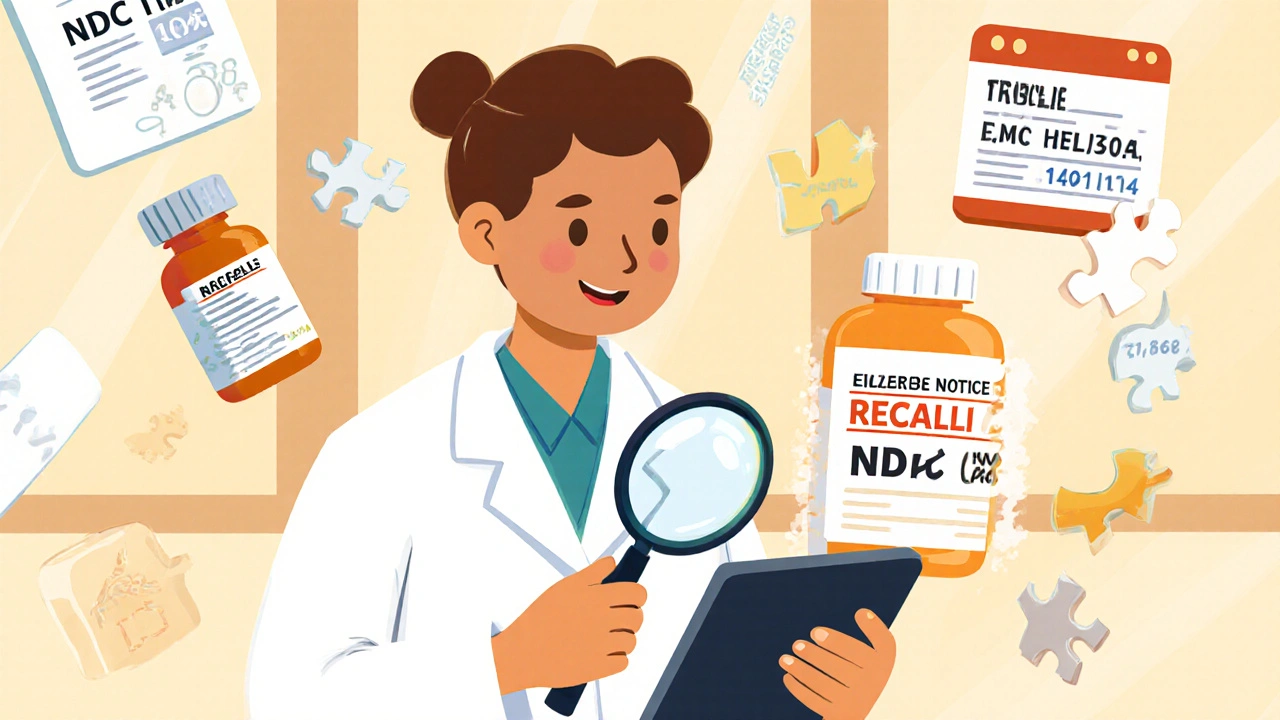
How to Verify Recall Notices and Affected Medication Lots
Learn how to properly verify medication recalls by matching lot numbers, using multiple sources, removing affected drugs, and documenting every step to ensure patient safety and regulatory compliance.
View More
© 2026. All rights reserved.