Recall Management: How Pharmacies and Manufacturers Handle Drug Recalls
When a drug becomes unsafe, recall management, the systematic process of identifying, notifying, and removing unsafe medications from the market. Also known as pharmaceutical recall, it’s a critical safety net that prevents harm when a medication turns out to be contaminated, mislabeled, or ineffective. This isn’t just paperwork—it’s a fast-moving operation that involves manufacturers, pharmacies, regulators like the FDA, the U.S. agency that oversees drug safety and enforces recalls, and even patients. A single faulty batch can trigger recalls across multiple states, and the system has to move fast to stop people from taking dangerous pills.
Recall management isn’t just about pulling pills off shelves. It’s about tracing where those pills went, who got them, and how to get them back. The FDA, the U.S. agency that oversees drug safety and enforces recalls ranks recalls by risk: Class I means serious injury or death is possible, Class II might cause temporary harm, and Class III is unlikely to cause harm but still violates regulations. Most recalls you hear about are Class II or III. But even a Class III recall matters—because if one pill is wrong, others might be too. Manufacturers don’t always wait for the FDA to act. Sometimes, they spot a problem themselves and start the recall. That’s called a voluntary recall, and it’s actually the most common type.
Pharmacies play a big role too. When a recall hits, they don’t just throw the drugs away. They check their inventory, pull affected lots, notify patients who got those pills, and offer replacements or refunds. If you take a daily medication like blood pressure pills or insulin, you might get a phone call or letter. Don’t ignore it. Even if you feel fine, the issue might be in the pill’s strength, contamination, or packaging. And if you’re a caregiver managing meds for an elderly parent, a recall could mean the difference between safe treatment and a dangerous mistake.
What you won’t see in the news are the quiet recalls—the ones that happen because a label got switched, a batch was stored too warm, or a generic version didn’t dissolve properly. These are the kinds of problems that recall management, the systematic process of identifying, notifying, and removing unsafe medications from the market was built to catch. And the system works better now than it did 10 years ago, thanks to better tracking and stricter cleanroom standards for generic drug makers. But it’s still only as strong as the last person who checked the lot number.
Below, you’ll find real-world examples of how recalls happen, how they affect patients, and what you can do to stay protected. From contaminated antibiotics to mislabeled insulin, these stories show why recall management isn’t just a regulatory step—it’s a daily shield for your health.
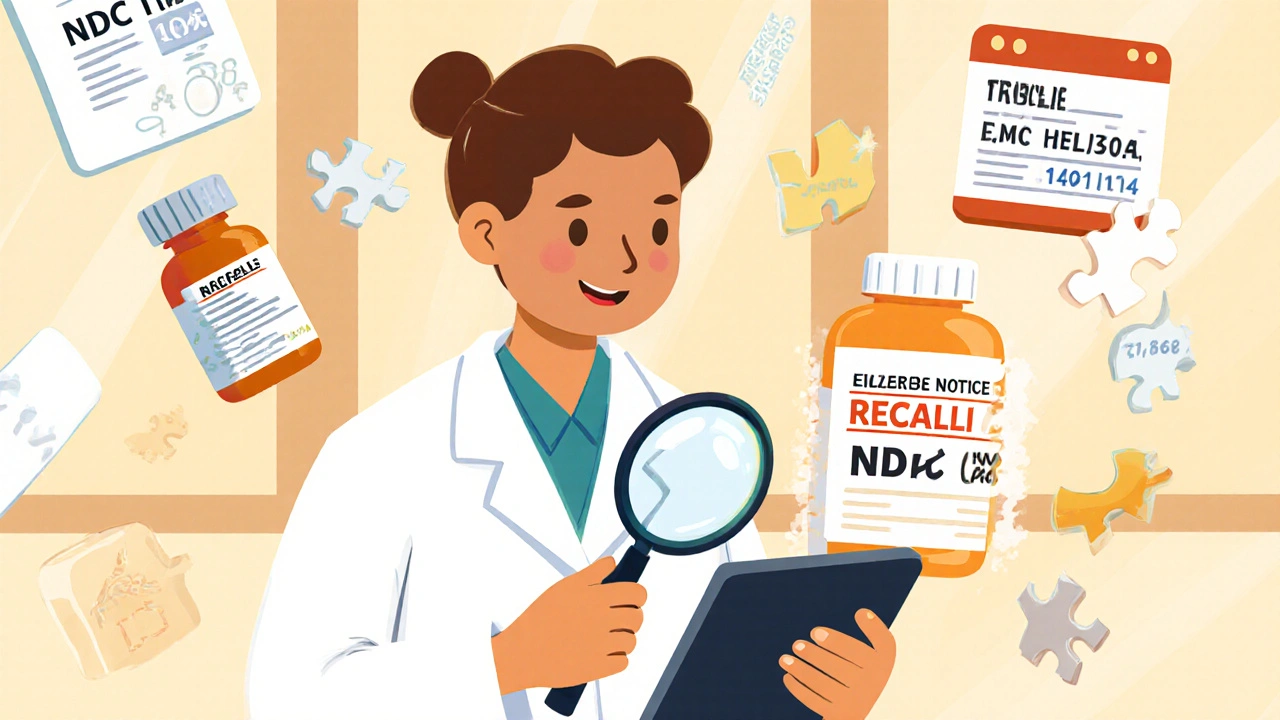
How to Verify Recall Notices and Affected Medication Lots
Learn how to properly verify medication recalls by matching lot numbers, using multiple sources, removing affected drugs, and documenting every step to ensure patient safety and regulatory compliance.
View More
© 2026. All rights reserved.