SSRIs: What They Are, How They Work, and What You Need to Know
When doctors prescribe medication for depression or anxiety, they often reach for SSRIs, selective serotonin reuptake inhibitors, a class of antidepressants that increase serotonin levels in the brain to improve mood and reduce anxiety. Also known as serotonin reuptake inhibitors, they’re among the most prescribed psychiatric drugs in the U.S. because they tend to have fewer side effects than older options. But SSRIs aren’t just one-size-fits-all pills—they’re part of a larger system that includes other medications, patient responses, and long-term health impacts.
SSRIs work by blocking the reabsorption of serotonin, a chemical in your brain that helps regulate mood, sleep, and appetite. When serotonin stays active longer, it can ease symptoms of depression, panic disorder, OCD, and even chronic anxiety. But they don’t work the same for everyone. Some people feel better in weeks; others need to try several types before finding one that fits. And while SSRIs are often paired with therapy, they also interact with other drugs you might be taking—like metformin, a common diabetes medication, which can affect how your body processes SSRIs, or quetiapine, an antipsychotic sometimes used alongside antidepressants, which can change how your brain responds to serotonin. Even something as simple as grapefruit juice can interfere with how your body breaks down certain SSRIs, just like it does with statins.
What you won’t find in a simple label is the real-world complexity: why some patients stop taking SSRIs because of nausea or sexual side effects, why others rely on them for years, and how generic versions make these drugs accessible without sacrificing effectiveness. You’ll also see how SSRIs connect to other topics here—like how delayed drug reactions, serious skin or organ responses that appear weeks after starting a medication can sometimes be triggered by SSRIs, or how medication lists, organized records patients and caregivers use to track prescriptions help avoid dangerous combinations. And while SSRIs aren’t addictive in the traditional sense, stopping them suddenly can cause withdrawal symptoms, which is why dose adjustments and monitoring matter just as much as the initial prescription.
Below, you’ll find real, practical guides on how SSRIs fit into everyday health management—from understanding how they compare to other antidepressants, to recognizing side effects that might be mistaken for something else, to knowing when a generic version is just as safe as the brand name. This isn’t theoretical. These are the questions people actually ask when they’re trying to feel better without risking their health.
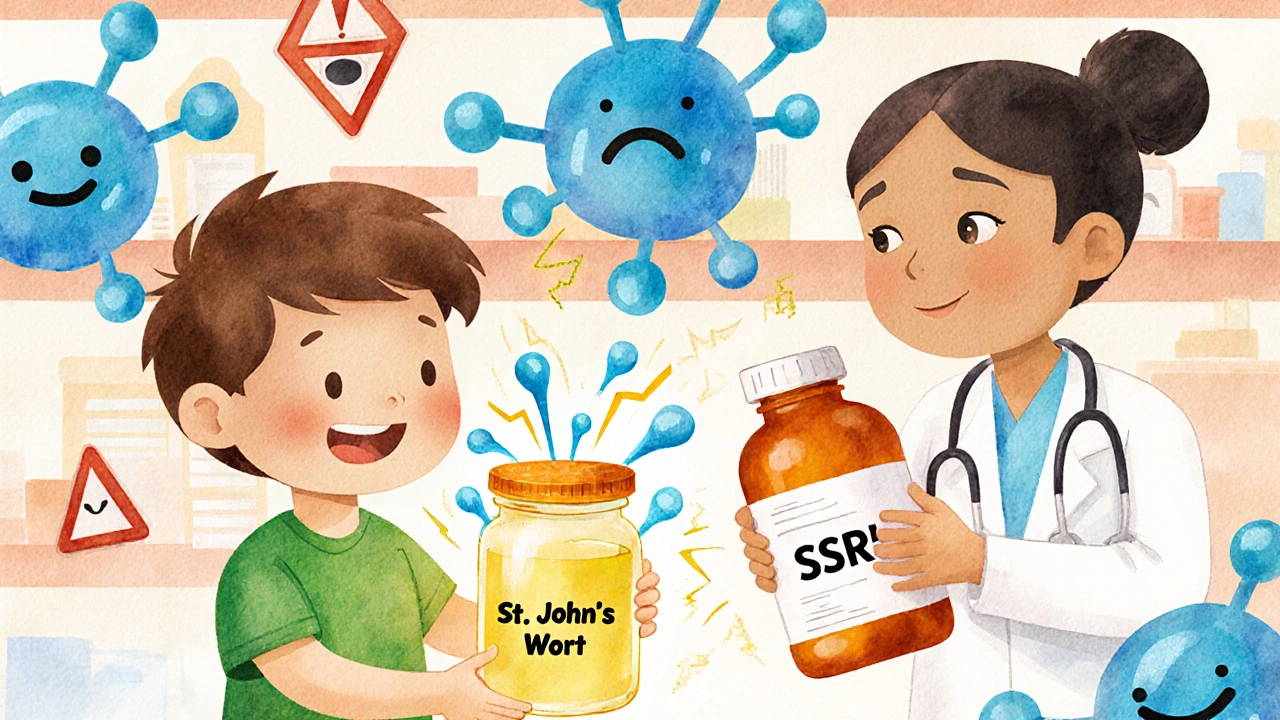
St. John’s Wort and SSRIs: The Hidden Danger of Serotonin Syndrome
Combining St. John’s Wort with SSRIs can cause serotonin syndrome - a dangerous, sometimes fatal condition. Learn why this herbal supplement isn't safe with antidepressants and what to do instead.
View More
© 2026. All rights reserved.