
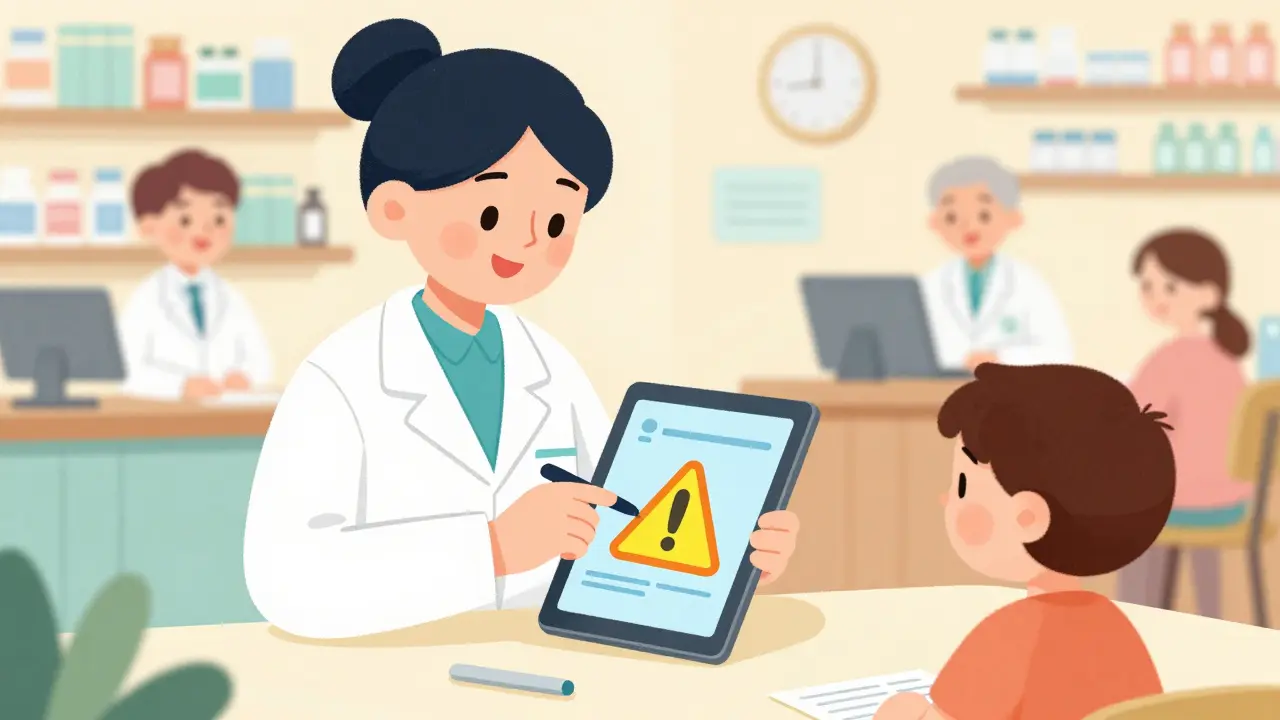
Adverse Drug Events (ADEs) are any harmful or unintended responses to medications. According to the Patient Safety Network, ADEs occur when patients experience harm due to medication use, whether from correct use or errors in prescribing, dispensing, or administration. Every year, these events cause over 3.5 million doctor visits, 1 million emergency room trips, and 125,000 hospital admissions in the United States alone. The Institute of Medicine's landmark 2000 report "To Err is Human" revealed medication errors kill at least 7,000 people in U.S. hospitals annually-just the tip of the iceberg.
Common Types of Adverse Drug Events
- Adverse Drug Reactions (ADRs): Harmful effects from normal doses. Type A reactions (80% of cases) are predictable and dose-related, like stomach bleeding from NSAIDs. Type B reactions are unpredictable, such as severe allergic responses.
- Medication Errors: Mistakes in prescribing, dispensing, or taking medications. These account for nearly half of all preventable ADEs. Examples include wrong dosages or incorrect drug choices.
- Drug-Drug Interactions: When two or more medications interfere, altering effectiveness or causing harm. For example, warfarin combined with certain antibiotics can cause dangerous bleeding.
- Drug-Food Interactions: Food or supplements changing how a drug works. Grapefruit juice, for instance, can increase blood levels of some cholesterol medications.
- Overdoses: Taking too much of a drug, intentional or accidental. Opioid overdoses caused over 70,000 deaths in 2021 alone.
Proven Strategies to Prevent Adverse Drug Events
- Medication Reviews: Regular check-ins with pharmacists to update drug lists. A 2019 study found this reduces ADE risk by 30%.
- Electronic Prescribing: Systems that flag potential errors before they happen. Hospitals using these see 48% fewer medication errors.
- Medication Therapy Management (MTM): Pharmacists work directly with patients to resolve issues. MTM services resolve 4.2 medication problems per patient, cutting ADEs by 32%.
- Pharmacogenomic Testing: Adjusting doses based on genetics. For example, testing for clopidogrel response reduces ADEs by 35%.
- Deprescribing: Stopping unnecessary medications, especially in older adults. VA hospitals using this cut anticholinergic ADEs by 40%.
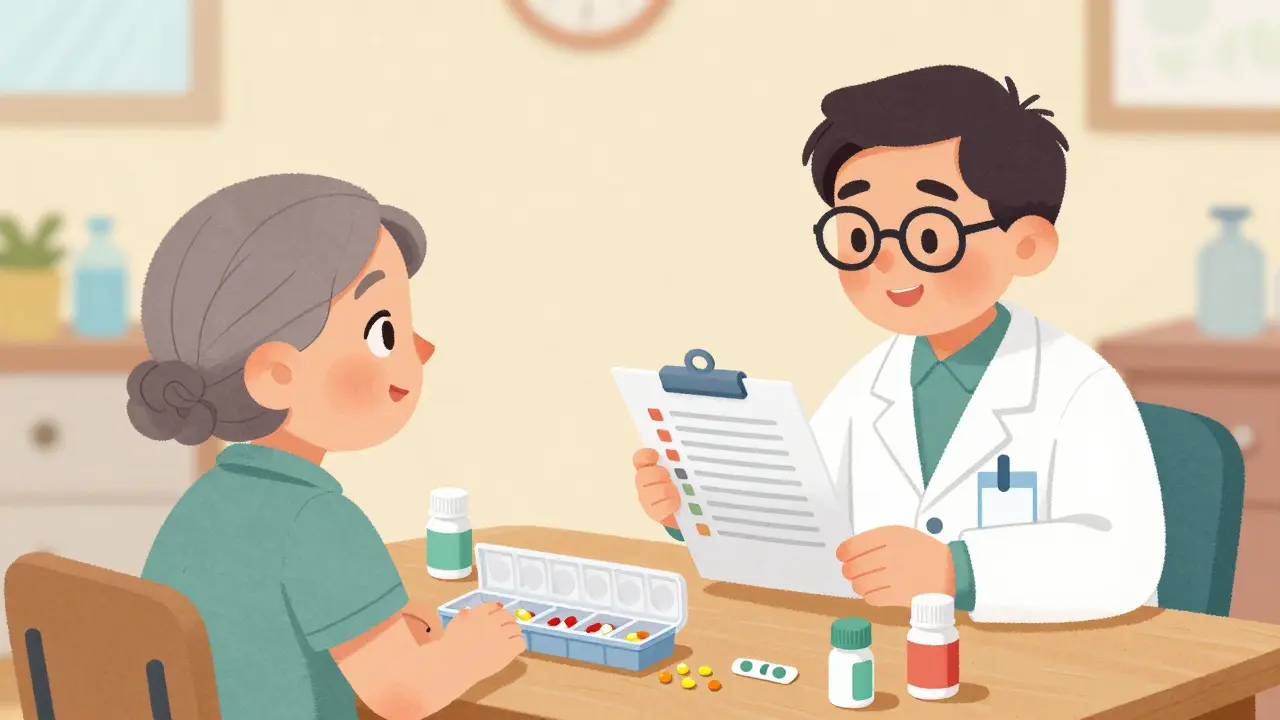
High-Risk Medications and Specialized Prevention
- Warfarin: This common anticoagulant causes 33% of hospital-related ADEs. Regular INR monitoring and pharmacist-managed clinics reduce bleeding events by 60% compared to standard care.
- Insulin: Leads to 100,000 ER visits yearly for hypoglycemia, mostly in seniors. Smart insulin pens and education cut these by 25%.
- Opioids: Synthetic opioids like fentanyl caused 70,601 deaths in 2021. Strict prescribing guidelines and naloxone access are saving lives.
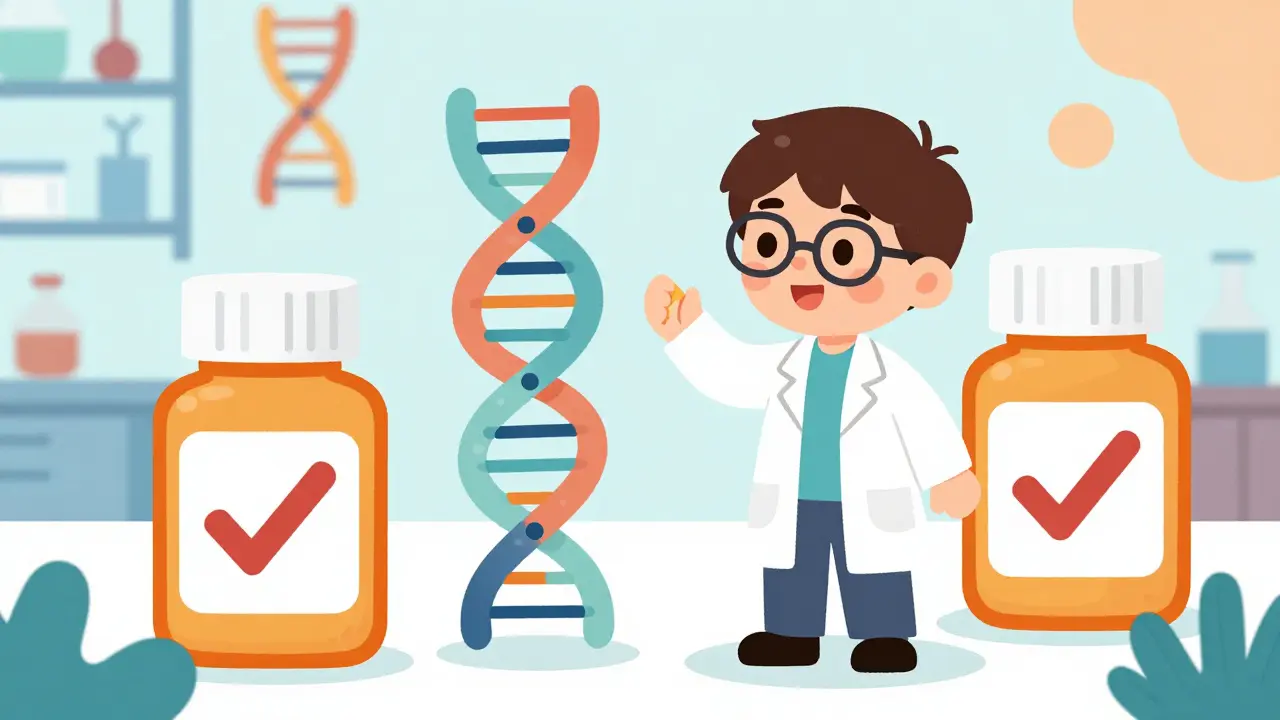
Technology Driving the Future of Medication Safety
AI and data are changing the game. Johns Hopkins Hospital's AI system reduced ADEs by 17% by analyzing patient data. The FDA's Sentinel Initiative monitors 190 million records for early warnings. And pharmacogenomics is set to grow from 5% to 30% adoption by 2027, potentially preventing 100,000 ADEs annually through genotype-guided dosing.
Frequently Asked Questions
What's the difference between an adverse drug reaction and an adverse drug event?
An adverse drug reaction (ADR) is a specific type of harm caused by a drug at normal doses, like an allergic response. An adverse drug event (ADE) is broader-it includes ADRs but also covers harm from medication errors, overdoses, or interactions. All ADRs are ADEs, but not all ADEs are ADRs.
How common are adverse drug events?
ADEs are extremely common. In the U.S., they contribute to 3.5 million doctor visits, 1 million emergency room trips, and 125,000 hospital admissions annually. Globally, the WHO estimates medication-related harm affects millions, with ADEs ranking among the top causes of preventable hospital deaths.
Can medication errors be prevented?
Yes, nearly half of all ADEs are preventable. Key strategies include electronic prescribing systems (which cut errors by 48%), pharmacist-led medication reviews (30% risk reduction), and standardized protocols like the CDC's antibiotic stewardship guidelines. Technology and teamwork between doctors, pharmacists, and patients are crucial.
What role do pharmacists play in preventing ADEs?
Pharmacists are frontline defenders against ADEs. They review medication lists, catch drug interactions, educate patients, and manage complex regimens. Medication Therapy Management (MTM) services led by pharmacists resolve 4.2 issues per patient, reducing ADEs by 32%. In hospitals, pharmacist-led anticoagulation clinics cut major bleeding events by 60%.
Are certain medications more likely to cause ADEs?
Yes. Anticoagulants like warfarin, diabetes drugs like insulin, and opioids are top offenders. Warfarin alone causes 33% of hospital-related ADEs due to its narrow therapeutic range. Insulin-related hypoglycemia leads to 100,000 ER visits yearly. Opioids caused over 70,000 overdose deaths in 2021. Specialized monitoring and protocols for these drugs are essential.

Comments (8)
Sarah B
Adverse drug events are a massive problem in US healthcare. We need strict regulations now.
Tola Adedipe
ADEs are a crisis. The US healthcare system is failing patients. We need immediate action and collaboration between providers.
Ritu Singh
Adverse Drug Events (ADEs) are a critical public health concern that affects millions globally. According to the Institute of Medicine's 2000 report, medication errors contribute to over 7,000 deaths annually in US hospitals alone. This is just the tip of the iceberg; the true scale is much larger when considering outpatient settings. ADRs account for 80% of cases, often predictable and dose-related, while Type B reactions are unpredictable and severe. Medication errors, which include prescribing and dispensing mistakes, are responsible for nearly half of preventable ADEs. Drug-drug interactions, such as warfarin with antibiotics, and drug-food interactions like grapefruit juice affecting cholesterol meds, further complicate treatment. Overdoses, particularly opioids, caused over 70,000 deaths in 2021. Prevention strategies like medication reviews reduce risk by 30%, electronic prescribing cuts errors by 48%, and MTM services resolve 4.2 issues per patient. Pharmacogenomic testing for drugs like clopidogrel reduces ADEs by 35%. Deprescribing unnecessary medications in older adults has cut anticholinergic ADEs by 40%. Specialized monitoring for high-risk drugs like warfarin and insulin is essential. Warfarin alone causes 33% of hospital-related ADEs, but pharmacist-managed clinics reduce bleeding events by 60%. Insulin-related hypoglycemia leads to 100,000 ER visits yearly, which smart pens can reduce by 25%. Opioid safety requires strict guidelines and naloxone access. Emerging technologies like AI at Johns Hopkins reduced ADEs by 17% and FDA's Sentinel Initiative monitors 190 million records for early warnings. Pharmacogenomics adoption is set to grow from 5% to 30% by 2027, potentially preventing 100,000 ADEs annually. A collaborative approach involving healthcare providers, patients, and policymakers is vital for sustainable progress.
Mark Harris
Pharmacists are saving lives daily! MTM services reduce ADEs by 32%-we need more of this!
Niel Amstrong Stein
So true! 🌍 Medication safety isn't just a US issue-it's global. But we need to remember that tech alone isn't the solution. It's about people working together. 🤝
Ariel Edmisten
ADEs are preventable. Use electronic prescribing. Trust pharmacists. Simple.
Paula Sa
I agree. Pharmacists play a crucial role. It's about teamwork and communication. Small steps make a big difference.
Mary Carroll Allen
ADEs are a MAJIR issue.