Category: Neurology and Mental Health - Page 2

Huntington’s Disease: Understanding Genetics, Chorea, and Real-Life Care Planning
Huntington’s disease is a genetic disorder causing chorea, cognitive decline, and emotional changes. While there’s no cure, early care planning, therapy, and genetic counseling can significantly improve quality of life and extend survival.
View More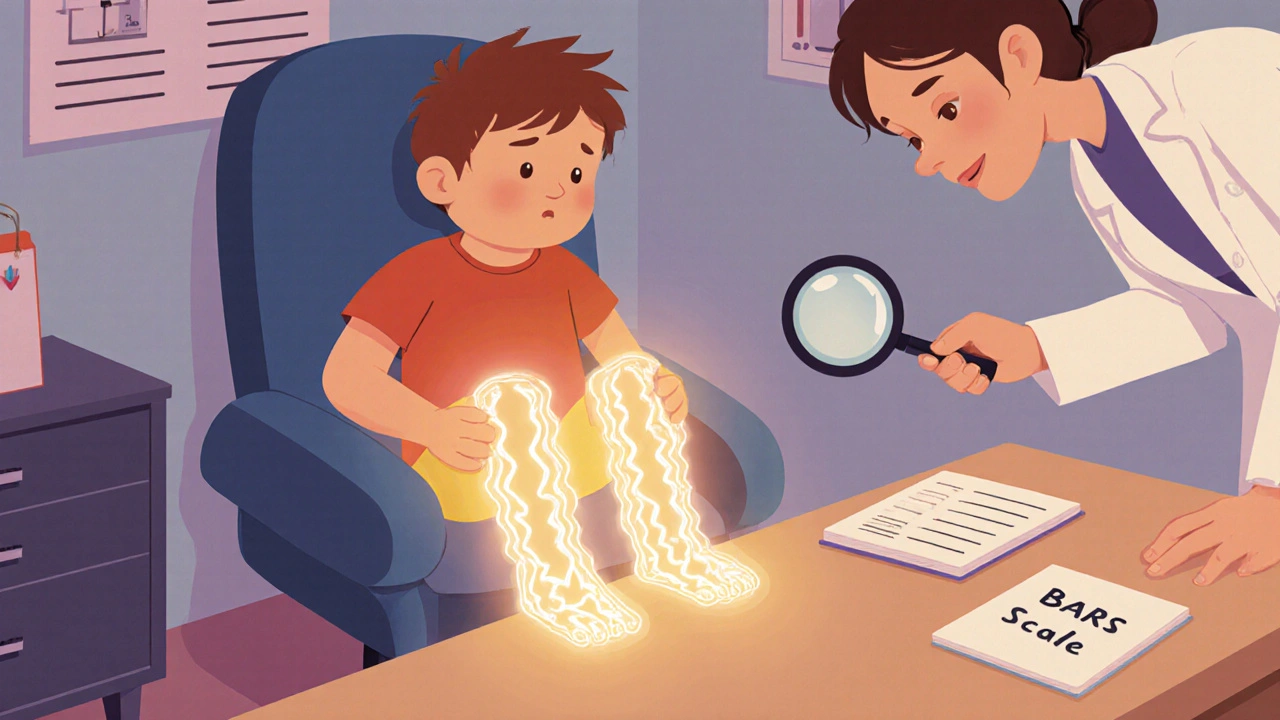
Restless Legs and Akathisia from Medications: How to Tell Them Apart and What to Do
Learn how to tell apart medication-induced akathisia and restless legs syndrome, why misdiagnosis is dangerous, and what treatments actually work-backed by clinical evidence and patient experiences.
View More
Migraine and Screen Time: How Digital Devices Trigger Headaches
Explore how digital screens trigger migraines, the science behind blue light, eye strain, and posture, and learn practical steps to protect your head while staying connected.
View More
Primidone - First‑Line Seizure Medication Guide
Learn how primidone works as a first‑line seizure medication, dosing tips, side‑effects, drug interactions, and how it compares to other anticonvulsants.
View More
Emotional and Psychological Impact of Hepatic Encephalopathy Explained
Explore how hepatic encephalopathy reshapes mood, cognition and daily life, and discover practical steps to help patients and caregivers cope.
View More
Autism and Technology: Boosting Communication with Assistive Devices
Assistive devices have revolutionized communication for individuals with autism, offering tailored solutions that promote independence and social interaction. This article explores how technology bridges communication gaps, highlights innovative tools, and evaluates real-life impacts. Understanding these advancements is crucial for families, educators, and healthcare professionals aiming to enhance the communication abilities of those with autism. From tablets to AI-driven apps, the potential of tech-driven intervention is significant.
View More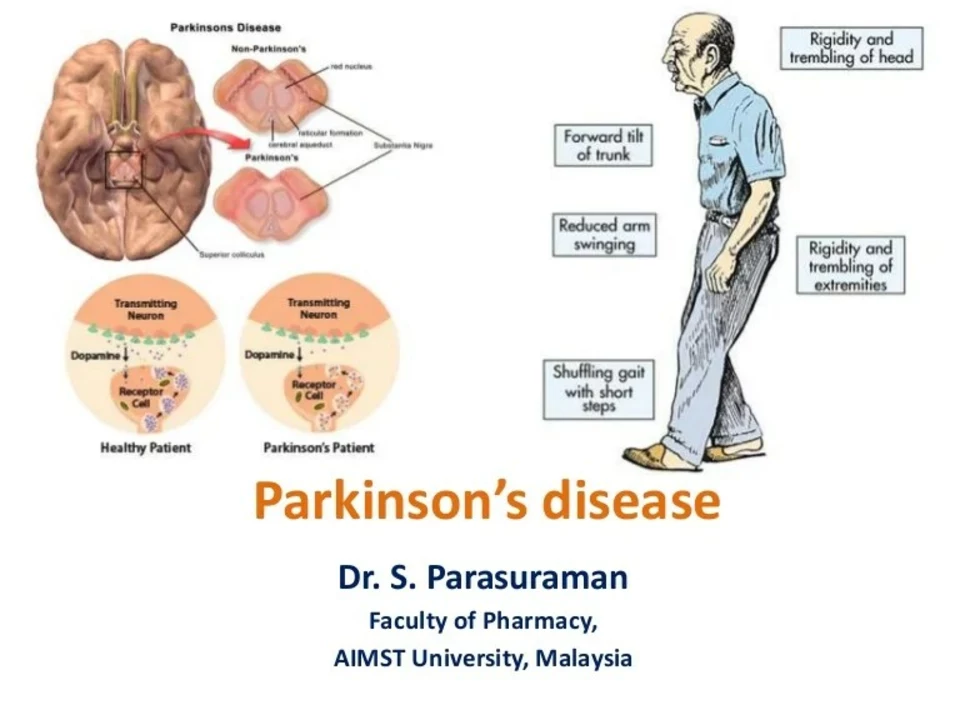
The use of Amantadine in combination with other medications for Parkinson's disease
In my recent research, I discovered that Amantadine, an antiviral medication, has shown promising results when combined with other medications to treat Parkinson's disease. This combination therapy helps alleviate symptoms such as tremors, stiffness, and difficulty with movement. Studies have revealed that Amantadine works by increasing dopamine levels in the brain, which is crucial for patients with Parkinson's. Furthermore, it has been found to have fewer side effects compared to other treatments, making it a more tolerable option for many patients. In conclusion, the use of Amantadine in combination with other medications presents a promising approach to managing Parkinson's disease symptoms and improving the quality of life for those affected.
View More
© 2026. All rights reserved.