
When medications stop working for epilepsy, many people feel stuck. They’ve tried one drug, then another, then a third-each with side effects, none with control. Seizures still come: sometimes daily, sometimes weekly, always unpredictable. For these people, there’s another path-epilepsy surgery. But it’s not for everyone. And it’s not as simple as just saying yes. Understanding who qualifies, what could go wrong, and what you can realistically expect is the first step toward making an informed choice.
Who is a candidate for epilepsy surgery?
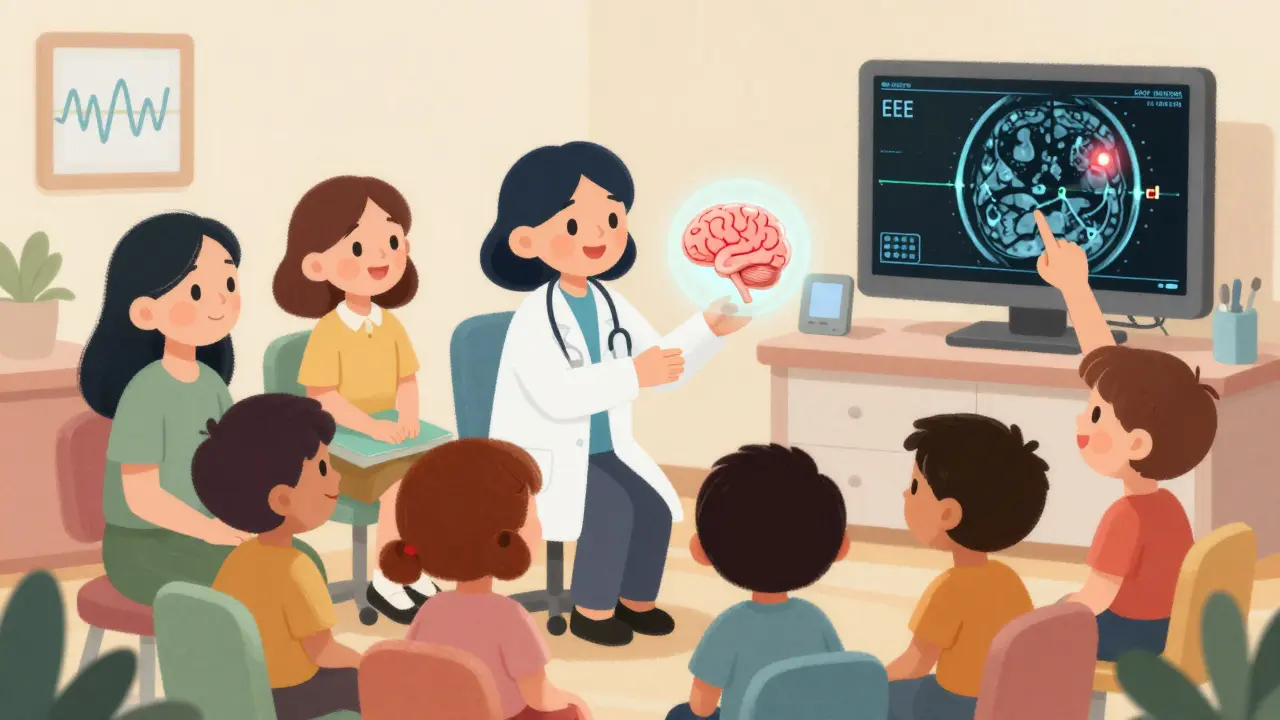
Not every person with epilepsy is a candidate for surgery. The key is drug-resistant epilepsy. This isn’t just when a drug doesn’t work once. It’s when two properly chosen, well-tolerated medications have failed to stop seizures over time. The International League Against Epilepsy defined this in 2010, and it’s still the gold standard today. If you’re still having disabling seizures after trying two drugs, you’re already in the candidate pool. But that’s just the starting point. The next step is proving the seizures come from one specific area of the brain-a focal onset. If seizures start in multiple places or spread too quickly from the start, surgery usually won’t help. The most common type of epilepsy that responds well to surgery is mesial temporal lobe epilepsy with hippocampal sclerosis. This is when a small area in the temporal lobe, often near the hippocampus, becomes the seizure trigger. MRI scans can show this damage clearly in many cases. For children, the criteria are even more urgent. If a child has infantile spasms, tuberous sclerosis, or Rasmussen’s encephalitis, surgery may be considered even before trying multiple drugs. These conditions are often 80-90% resistant to medication from the start. Delaying surgery in these cases can mean permanent damage to developing brains. The evaluation process is thorough. It usually takes 2 to 6 weeks and includes:- 5 to 7 days of continuous video-EEG monitoring to capture seizures and map where they start
- High-resolution 3T MRI scans with special epilepsy protocols to spot subtle brain abnormalities
- FDG-PET scans to see areas of the brain with reduced metabolism-often the seizure focus
- Neuropsychological testing to assess memory, language, and thinking skills before surgery
- In some cases, electrodes placed directly on or inside the brain to get a more precise picture
What are the risks of epilepsy surgery?
The idea of brain surgery scares people-and it should. It’s not a minor procedure. But the risks aren’t what most people imagine. For a common surgery like a temporal lobectomy, the risk of permanent problems like weakness, vision loss, or language difficulties is only 1-2%. Transient issues-like temporary swelling, mild memory trouble, or mood changes-are more common, affecting 5-10% of patients. Most of these improve within weeks or months. Memory problems are the biggest concern, especially for people having surgery on the left side of the brain. That’s where language and verbal memory are usually stored. If someone already has some memory weakness before surgery, they may notice it gets worse. But many patients don’t realize how much their memory was already affected by frequent seizures. After surgery, some actually report clearer thinking because seizures are no longer disrupting their brain. The risk of death from epilepsy surgery is extremely low-less than 0.5%. That’s lower than the annual risk of sudden unexpected death in epilepsy (SUDEP), which affects about 1 in 1,000 people with epilepsy each year. For many, the real danger isn’t the surgery-it’s continuing to have uncontrolled seizures. There’s also the risk of the surgery not working. About 20-30% of patients still have seizures after surgery, though often fewer and less severe. Some need to keep taking medication. Others may be candidates for a second surgery or a device like a responsive neurostimulator.
What outcomes can you expect?
Outcomes are measured using the Engel Classification. Class I means seizure-free. Class II means rare, non-disabling seizures. Class III means worthwhile improvement. Class IV means no change. For people with temporal lobe epilepsy, 65-70% become seizure-free two years after surgery. That number stays stable over time-most who are free at two years stay free at five, ten, even fifteen years. For other focal epilepsies, like those from tumors or cortical dysplasia, the success rate is slightly lower but still around 50-60%. These aren’t just numbers. They mean real life changes. In one study, 79% of patients who became seizure-free were able to drive again after years of being grounded. Many returned to work. Parents stopped missing school events. People stopped living in fear of the next seizure. One patient on a support forum wrote: “After my left temporal lobectomy, I went from 15-20 seizures a month to zero. I got my license back. I started college. I didn’t think that was possible.” But outcomes depend on timing. The longer you wait after becoming drug-resistant, the harder it becomes to recover lost function. Studies show that people who have surgery within two years of drug resistance have better cognitive outcomes than those who wait five or ten years. The brain adapts to seizures-and the longer it adapts, the less it can bounce back.Why don’t more people have surgery?
About 1.2 million Americans have drug-resistant epilepsy. Only 5,000 get surgery each year. That’s less than 2% of those who could benefit. Why? Fear is the biggest barrier. Half of patients referred for surgery turn it down because they’re scared of brain surgery. Many think they’ll lose their memory, their personality, or their ability to speak. Others worry about physical disability. Another problem? Doctors don’t refer early enough. The guidelines say: refer as soon as two drugs fail. But a 2022 study found most patients wait over five years-some over ten-before being referred. Many neurologists still think surgery is a last resort, even though research shows early surgery leads to better outcomes. Insurance is another hurdle. Nearly half of initial requests for surgery are denied. But 78% of appeals are approved. That means if you’re told no, don’t give up. Ask for help from your epilepsy center’s patient navigator program. These specialists handle insurance battles, schedule appointments, and guide you through every step.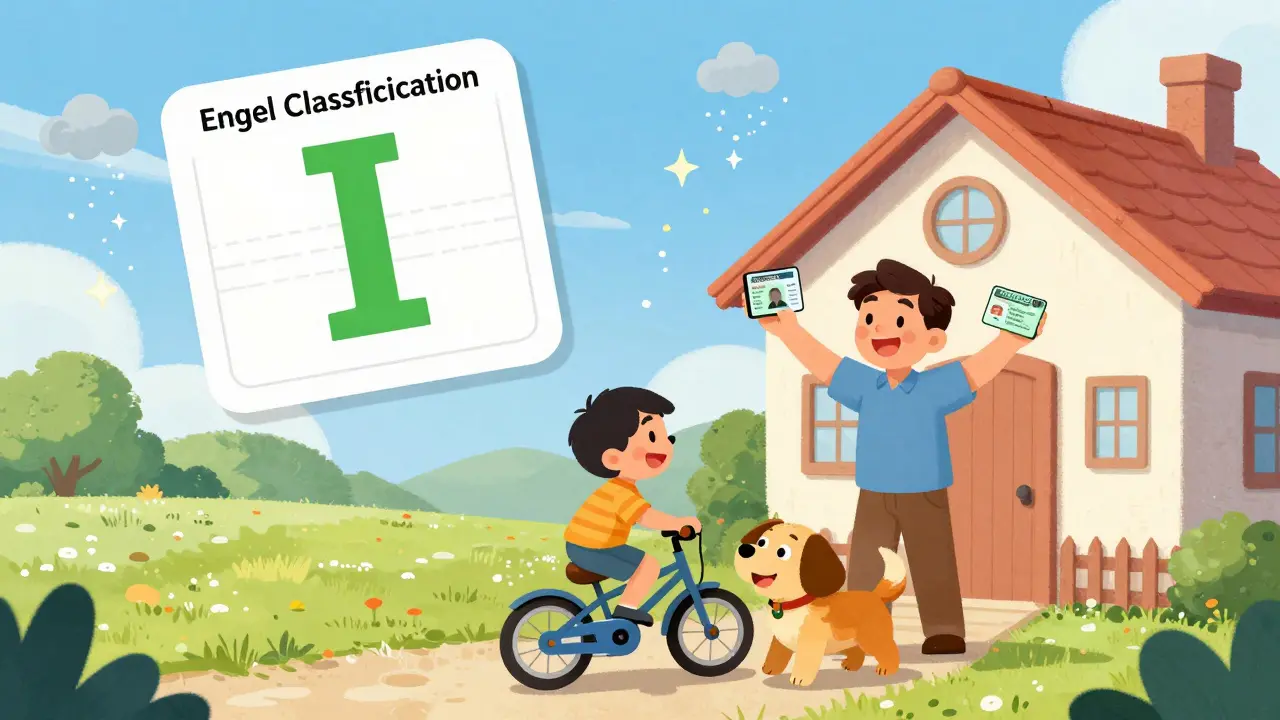
What’s new in epilepsy surgery?
Surgery isn’t just about cutting out brain tissue anymore. Minimally invasive techniques are growing fast. Laser interstitial thermal therapy (LITT) uses a thin probe inserted through a small hole in the skull. Heat is then applied to destroy the seizure focus. It’s less invasive than traditional surgery, with hospital stays of just one or two days. Seizure freedom rates are around 55% after one year-slightly lower than open surgery, but with far fewer complications. Only 2.3% of LITT patients have serious side effects, compared to 8.7% with traditional resection. Another option is responsive neurostimulation (RNS). A device is implanted in the skull and monitors brain activity. When it detects a seizure starting, it delivers a tiny electrical pulse to stop it. The FDA expanded its use in 2022 to include some patients with generalized epilepsy, which opens the door for more people who weren’t candidates before. These aren’t replacements for surgery-they’re alternatives. But they’re changing the game. For people who can’t have a resection, or who don’t want to lose brain tissue, these devices offer real hope.Is surgery worth it?
The cost of epilepsy surgery is high-tens of thousands of dollars. But the long-term savings are even higher. One 2023 analysis found that a successful surgery pays for itself within three years. After that, patients save money on medications, ER visits, ambulance rides, lost work days, and caregiver support. Over ten years, the societal benefit per patient is an estimated $1.2 million. But the real value isn’t financial. It’s freedom. The ability to wake up without wondering if today’s the day you’ll seize. To drive. To hold a job. To raise a child without fear. If you’ve tried two or more medications and still have seizures, you’re not out of options. You’re at the beginning of a new path. Talk to an epilepsy center. Get evaluated. Don’t wait. The longer you wait, the more you risk losing-not just control over seizures, but control over your life.Can epilepsy surgery cure my seizures completely?
For many people, yes-especially if the seizures come from one clear area of the brain, like the temporal lobe. Around 65-70% of patients with mesial temporal lobe epilepsy become completely seizure-free after surgery. For other types of focal epilepsy, the rate is 50-60%. But surgery doesn’t guarantee zero seizures. Some people still have occasional seizures, but they’re much less frequent and less severe. A small number don’t improve at all.
What happens if surgery doesn’t work?
If seizures continue after surgery, you’ll still need to take medication. Some people become candidates for a second surgery, especially if the first one didn’t remove the entire seizure focus. Others may benefit from devices like responsive neurostimulation (RNS) or vagus nerve stimulation (VNS). Even if surgery doesn’t stop all seizures, it can still reduce their number and severity, which improves quality of life.
Will I lose my memory after epilepsy surgery?
Memory changes are possible, especially if the surgery is on the side of the brain responsible for language (usually the left side). Some people notice trouble remembering words or events after surgery. But many don’t realize their memory was already affected by frequent seizures. After surgery, some report better focus and clearer thinking because their brain isn’t constantly disrupted. Neuropsychological testing before surgery helps predict this risk and plan the safest approach.
Is epilepsy surgery only for adults?
No. Children are often excellent candidates, especially if they have conditions like tuberous sclerosis, infantile spasms, or Rasmussen’s encephalitis. In fact, early surgery in children can prevent long-term developmental delays. The brain is more adaptable in younger patients, so removing a seizure focus can actually help other areas develop normally. Guidelines now recommend surgical evaluation as soon as drug resistance is confirmed-even in toddlers.
How do I know if I’m a good candidate for surgery?
If you’ve tried two or more appropriate anti-seizure medications and still have disabling seizures, you should be referred to a Level 4 epilepsy center. There, a team of specialists will use EEG, MRI, PET scans, and neuropsychological testing to determine if your seizures come from one spot that can be safely removed. Don’t wait for your neurologist to bring it up-ask. If they don’t mention surgery, request a referral. You deserve to know all your options.
What’s the difference between LITT and traditional epilepsy surgery?
Traditional surgery, like a temporal lobectomy, involves opening the skull and removing brain tissue. LITT (laser interstitial thermal therapy) uses a laser inserted through a small hole in the skull to heat and destroy the seizure focus. LITT has a shorter hospital stay, less pain, and fewer complications-about 2.3% vs. 8.7% for open surgery. But it’s not as effective for all cases. Seizure freedom rates are slightly lower (55% vs. 65-70%), so it’s best for smaller, well-defined areas. Your team will help you decide which is right for you.
How long does the evaluation process take?
The full pre-surgical evaluation usually takes 2 to 6 weeks. It includes at least 5 to 7 days of continuous video-EEG monitoring, a high-resolution 3T MRI, a PET scan, and neuropsychological testing. Some people need additional tests, like intracranial electrodes, which can extend the process. Insurance approvals can add more time, so starting early is important. Many centers now offer patient navigators to help speed up the process.
Can I drive after epilepsy surgery?
Yes-if you become seizure-free. Most states require you to be seizure-free for 6 to 12 months before you can legally drive again. After surgery, many patients who hadn’t driven in years are able to get their license back. In one study, 79% of patients who became seizure-free regained the ability to drive. This is one of the most life-changing outcomes of successful surgery.
Comments (14)
Solomon Ahonsi
Yeah right, like anyone with half a brain would trust a surgeon near their memory center. I’ve seen too many people come out of that shit with no personality left. Just another way for hospitals to make bank off scared people.
George Firican
The notion that surgery is a last resort is a dangerous myth perpetuated by a system that prioritizes pharmacological inertia over neuroplastic potential. The brain is not a static organ-it rewires, adapts, and heals when given the chance. Delaying intervention isn’t caution, it’s negligence masked as prudence. We treat cancer aggressively, why do we tiptoe around epileptogenic foci like they’re sacred relics? The data doesn’t lie: early resection correlates with cognitive preservation, not loss. It’s not about removing tissue-it’s about liberating function.
Matt W
I had this done two years ago. Left temporal lobectomy. Was having 15 seizures a week. Now? Zero. I drive. I work. I play with my niece without checking the clock. People think it’s scary, but the real fear is living like a hostage to your own brain. You don’t know what peace feels like until you’ve had it stolen.
Anthony Massirman
65% seizure-free? That’s the number. Don’t overthink it. Do the eval. If you’re still seizing after two meds, you’re already behind.
Dan Pearson
Oh great, another American medical miracle. In my country, we just let people die quietly. No fancy lasers, no neurostimulators-just strong coffee and prayer. Meanwhile, you guys are cutting open skulls like it’s a TikTok trend. At least in Russia, we know when to say no.
Ellie Norris
Just had my LITT procedure last month-huge difference from what I read about open surgery. Hospital for 48hrs, back to work in a week. My neurologist said I was lucky to catch it before the hippocampus got too scarred. Side note: spelling ‘neurostimulator’ is a nightmare. Hope I got it right lol.
larry keenan
It is imperative to underscore that the Engel Classification remains the gold standard for outcome quantification in epileptological surgical literature. The statistical robustness of Class I outcomes in mesial temporal lobe epilepsy cohorts, as corroborated by longitudinal multicenter studies (e.g., ILAE 2017 meta-analysis), demonstrates a statistically significant reduction in SUDEP incidence post-resection. Further, the cost-benefit analysis presented in the 2023 Health Economics Journal warrants institutional policy revision to expedite preoperative evaluation pathways.
Chinmoy Kumar
I live in India and we dont have access to these centers easily. My cousin had epilepsy since 8 and we tried everything. Finally got a referral after 7 years. Now she is doing great after surgery. If you are reading this and your doctor isnt talking about surgery, ask. Ask again. Dont wait.
Sandeep Kumar
Why are you even reading this if you’re not ready to cut the seizure out? Medication is for people who want to live in a bubble. Real life happens after surgery. Stop being weak.
Bridget Molokomme
So let me get this straight-you’d rather risk dying in your sleep from a seizure than let someone poke around your brain with a laser? Cool. Cool cool cool. I’ll be over here living my life while you’re still Googling ‘is epilepsy surgery safe’ at 3am.
Ansley Mayson
Everyone’s acting like this is a miracle cure. But what about the 30% who still seize? What about the ones who lose their language? This isn’t a Netflix documentary. It’s a gamble with your identity. And the doctors don’t tell you how often they get it wrong.
Hannah Gliane
OMG I just read this and I’m crying 😭 You’re telling me I could’ve been FREE this whole time?? I waited 12 years because I was scared. I missed my daughter’s first steps. I didn’t go to my mom’s funeral because I had a seizure in the church. I’m getting evaluated next week. THANK YOU for writing this. I’m not alone. 💕
Eli Kiseop
so like if youve tried two meds and still seizures you just go straight to surgery? no like third med or something? what if you just need the right combo
Marc Durocher
Man, I used to think this stuff was sci-fi. Then my sister got the RNS device. Now she sleeps through the night. No more ER trips. No more ‘I’m sorry I missed work again.’ It’s not perfect-but it’s better than living in a minefield. If you’re scared, talk to someone who’s been there. Not the internet. Not the fear-mongers. Real people. They’ll tell you the truth.