
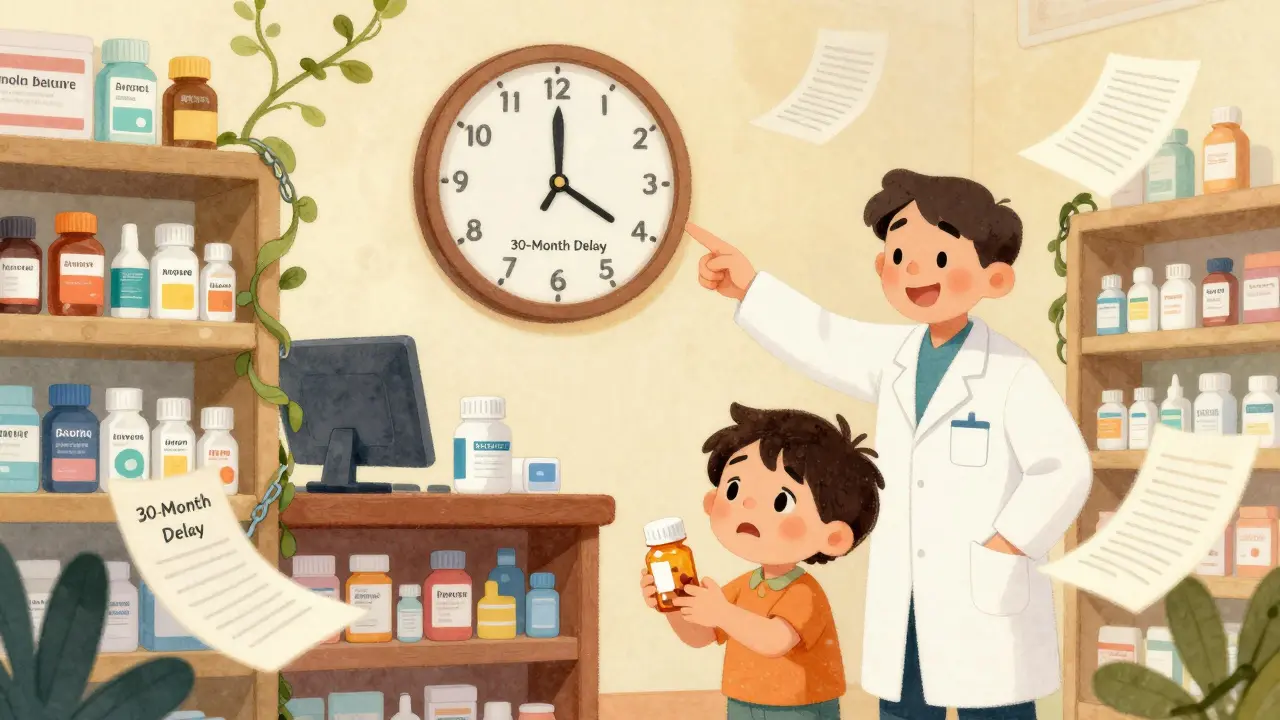
It’s 2025. You walk into your pharmacy asking for the generic version of your monthly prescription. The pharmacist looks up, says, "It’s been approved by the FDA since last November. We just can’t get it." This isn’t a glitch. It’s the new normal in U.S. drug access. Between 2023 and 2025, dozens of generic medications cleared regulatory review only to sit on shelves-legally blocked by patent lawsuits that have nothing to do with safety, efficacy, or science. The system meant to bring down drug prices is now the biggest reason those prices stay sky-high.
Why Approved Doesn’t Mean Available
The FDA approved 63 first generics in 2025. That sounds like progress. But according to a 2024 study in the Journal of Generic Medicines, the average time between FDA approval and actual market launch is now 3.2 years. That’s not a typo. It’s not supply chain chaos. It’s not manufacturing delays. It’s patent litigation. Here’s how it works: A generic company files an application (ANDA) to sell a cheaper version of a brand drug. To do this legally, they must certify that the brand’s patents are either invalid or won’t be infringed. This is called a Paragraph IV certification. It’s a legal challenge. And when the brand company sues, the FDA is forced to pause final approval for up to 30 months-no matter how weak the patent is. That 30-month clock? It’s not a safety check. It’s a delay tactic. In 2024, 68% of all generic applications included this type of challenge. In 2025, the average brand drug had 14.7 patents listed in the FDA’s Orange Book-up from 12.3 in 2020. That’s not innovation. That’s a patent thicket.The Real Cost: Patients Pay More, Wait Longer
The financial impact isn’t theoretical. The Congressional Budget Office estimated in August 2025 that these delays cost Medicare Part D $3.2 billion annually in extra spending. Patients who need drugs like Eliquis, Xarelto, or Dupixent are paying $487 a month for the brand version when the generic could cost $85. That’s not just expensive-it’s life-threatening. Patients For Affordable Drugs Now documented 412 cases between 2023 and 2025 where people skipped doses or stopped taking medication entirely because the cheaper version wasn’t available. Pharmacists are seeing it firsthand. A September 2025 survey by the Association for Accessible Medicines found that 82% of them regularly get asked by patients: "Why is this approved but not in stock?" One pharmacist on Drugs.com wrote in August 2025: "We had the generic for Xarelto approved last November. The brand company filed three new patents last month. Now we’re looking at another 30-month delay."Who Gets Hit Hardest?
Not all drugs face the same delays. Complex generics-like injectables, inhalers, and biologics-are the hardest to bring to market. In 2025, 89% of delayed complex generics were held up by patent litigation, compared to 63% of simple oral pills. Oncology drugs are the worst. The average wait between FDA approval and launch for a cancer generic is 4.1 years. Compare that to cardiovascular drugs at 2.8 years or CNS medications at 2.3 years. Small generic manufacturers get crushed in this system. In 63% of delayed cases, the company making the generic has annual revenue under $500 million. They can’t afford $12.7 million in legal fees per case-the average cost in 2025. Big companies like Teva and Sandoz can fight. Smaller ones? They walk away. That means fewer competitors. Higher prices. Less choice.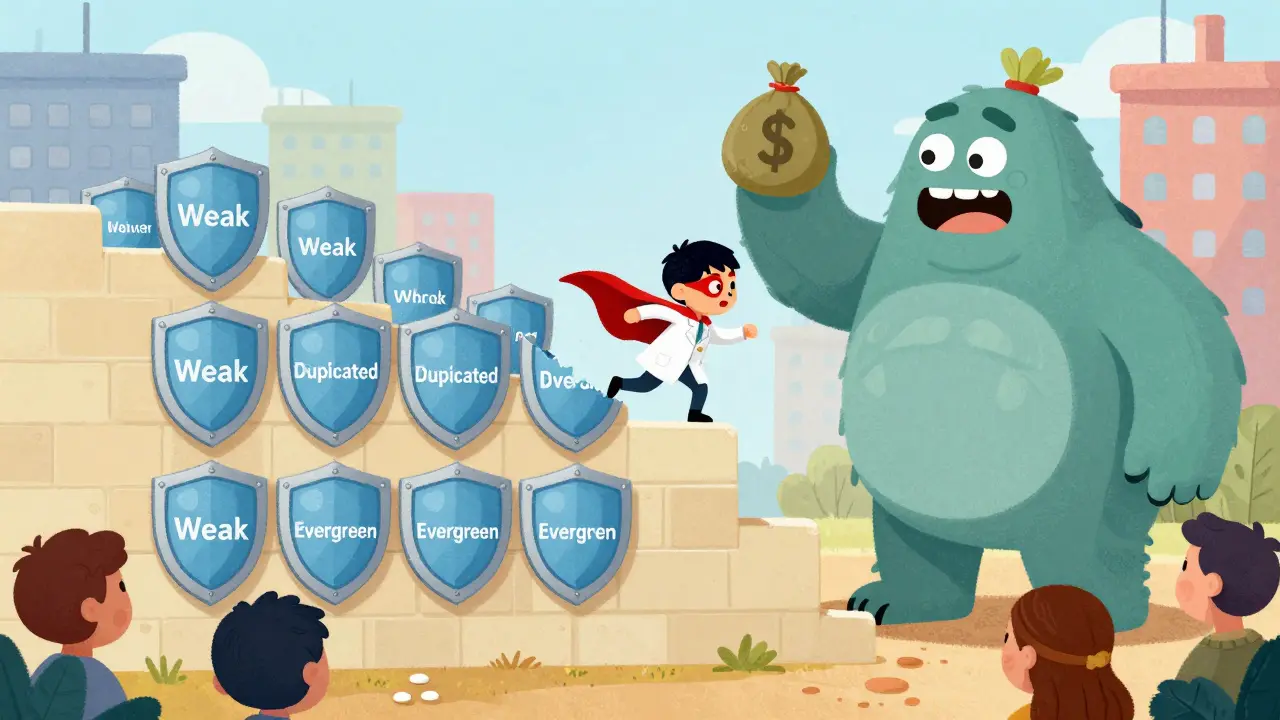
Why the U.S. Is an Outlier
The U.S. isn’t the only country with generic drugs. But it’s the only one where patent lawsuits routinely delay access for years. In Europe, the average time between generic approval and market launch is just 1.7 years. Why? Because they don’t have a 30-month automatic stay. They don’t let brand companies file dozens of weak patents just to buy time. They don’t let lawsuits override public health. The U.S. system was designed by the Hatch-Waxman Act in 1984. It was supposed to balance innovation and access. Today, it’s broken. The law assumed patents were strong, clear, and few. Now, they’re layered, vague, and numerous. The FDA can’t fix this. Their hands are tied. Patent litigation is a civil court issue-not a regulatory one.What’s Being Done? (And Why It’s Not Enough)
The FDA tried to help. In 2025, they launched an AI-assisted review system that cut approval times by 22% for non-litigated applications. That’s good. But it does nothing for cases stuck in court. The agency also started pushing for more transparency in the Orange Book, trying to stop "evergreening"-the practice of listing patents that don’t actually cover the drug’s active ingredient. The FTC stepped in too. They filed 7 enforcement actions between 2024 and 2025 against companies using patent tactics to block generics. One case against Jazz Pharmaceuticals over Xyrem ended in February 2025 with a settlement requiring earlier generic entry. That’s a win. But it’s one case out of hundreds. Congress considered the CREATES Act in 2025, which would force brand companies to provide samples to generic makers for testing. That’s a real barrier-some companies refuse to sell samples, claiming safety risks. But the bill stalled in committee. No action.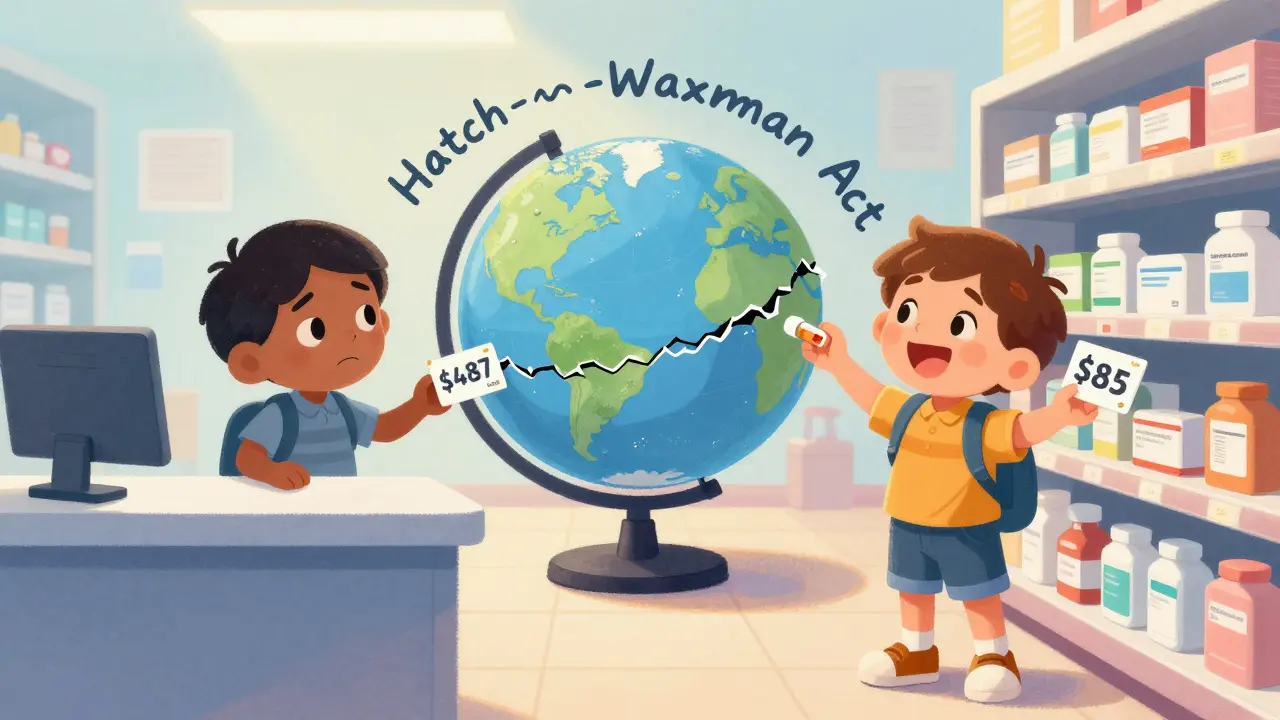
The Bigger Picture: Biosimilars and the Future
The same playbook is being used against biosimilars-cheaper versions of biologic drugs like Humira. Humira’s patent battles involved 242 separate patents. That created a 10-year monopoly past the original patent expiry. The result? Patients paid $10,000 a year for a drug that could have cost $2,000. By Q3 2025, 17 biosimilars had been approved, but most still haven’t launched due to ongoing litigation. The numbers are telling: The average number of patents challenged per biosimilar application jumped from 5.2 in 2020 to 9.7 in 2025. This isn’t progress. It’s escalation.What Can Be Fixed? (And Who’s Pushing for It)
Experts agree: the system needs reform. Dr. Aaron Kesselheim from Harvard says patent thicketing has extended monopolies by 3.7 years per drug. Dr. Patrizia Cavazzoni, FDA’s CDER Director, admitted in May 2025 that patent listings are being abused to delay competition. Industry veteran Dr. John LaMattina called the 30-month stay a "strategic tool" for brand companies to delay competition regardless of patent strength. The solution isn’t complicated:- Cap the number of patents that can be listed per drug (right now, there’s no limit)
- Shorten or eliminate the 30-month stay unless there’s a strong, valid patent
- Require brand companies to prove patent validity before triggering a stay
- Stop allowing patent extensions for minor formulation changes
What’s Next for Patients and Providers?
The good news? The tide may be turning. The FDA’s new commissioner, Dr. Peter Bach, appointed in January 2025, has signaled he’ll prioritize patent transparency. Industry analysts at William Blair predict this could reduce generic delays by 8-12 months by 2027-if he follows through. In the meantime, patients and providers need to be aware. If your generic isn’t available, ask your pharmacist: "Is this delayed by a patent lawsuit?" If yes, ask your doctor if there’s another drug in the same class that’s already generic. Call your state pharmacy board. Write to your representative. The system isn’t broken because of bad science. It’s broken because of bad policy. This isn’t about big pharma versus generics. It’s about patients versus profit. And right now, patients are losing.Why are generic drugs approved by the FDA but still not available in pharmacies?
Even after FDA approval, generic drugs can be blocked from entering the market for years due to patent litigation from brand-name manufacturers. When a generic company challenges a patent (via Paragraph IV certification), the brand company can sue, triggering an automatic 30-month stay that prevents the FDA from giving final approval-even if the patent is weak or invalid. This legal delay has nothing to do with safety or quality.
What is the 30-month stay in patent litigation and how does it delay generics?
The 30-month stay is a provision under the Hatch-Waxman Act that automatically pauses FDA approval of a generic drug for up to 30 months after a brand-name company files a patent lawsuit against the generic applicant. This stay is triggered even if the patent is questionable, and it can be extended if litigation continues. It’s not a review period-it’s a legal tool that brand companies use to delay competition, often for years beyond the original patent expiration.
Which types of drugs face the longest generic delays?
Oncology drugs have the longest delays, averaging 4.1 years between FDA approval and market launch. Complex generics like injectables and inhalers also face major delays-89% of them are held up by patent litigation. These drugs are harder to copy, so brand companies file more patents to block competitors. Simple oral pills, like cholesterol or blood pressure meds, face shorter delays, averaging 2.3 to 2.8 years.
How do patent thickets affect generic drug access?
Patent thickets are when a brand company files dozens of overlapping or low-quality patents around a single drug-covering everything from dosage form to manufacturing method. In 2025, the average drug had 14.7 patents listed in the FDA’s Orange Book, up from 12.3 in 2020. These patents aren’t always valid, but each one can trigger a 30-month stay if challenged. This strategy extends monopolies beyond the original 20-year patent term by an average of 3.7 years per drug, blocking cheaper generics from entering the market.
Why are small generic companies more affected by patent delays than large ones?
Small generic manufacturers, with annual revenue under $500 million, face 63% of all patent-related delays. They can’t afford the $12.7 million average legal cost per case in 2025. Large companies like Teva and Sandoz have legal teams and deep pockets to fight lawsuits. Smaller ones often give up, withdraw their application, or get bought out. This reduces competition, keeps prices high, and limits patient access.
How does the U.S. compare to other countries on generic drug delays?
The U.S. has the longest delays. In Europe, the average time between FDA-equivalent approval and market launch is just 1.7 years. That’s nearly half the U.S. average of 3.2 years. Europe doesn’t have a 30-month automatic stay. They don’t let patent lawsuits override public access. They also limit the number of patents that can be listed per drug. The U.S. system is uniquely structured to favor brand companies over patients.
What role does the FDA play in patent-related delays?
The FDA approves generic drugs for safety and effectiveness, but it has no authority over patent disputes. Once a brand company files a patent lawsuit, the FDA is legally required to pause final approval for up to 30 months-even if the patent is clearly invalid. The agency can’t override the courts. While the FDA has improved transparency in the Orange Book and started using AI to speed up reviews, it can’t fix the core problem: patent litigation is outside its control.
Are biosimilars also affected by patent delays?
Yes, even more so. Biosimilars-cheaper versions of complex biologic drugs like Humira-are facing patent battles with over 240 patents listed in some cases. The average number of patents challenged per biosimilar application rose from 5.2 in 2020 to 9.7 in 2025. While 17 biosimilars were approved by Q3 2025, most are still not on the market due to ongoing litigation. The same patent thicketing tactics used on small-molecule drugs are now being applied to biologics, delaying patient access to life-saving treatments.
What can patients do if their generic drug is approved but not available?
Ask your pharmacist if the delay is due to a patent lawsuit. If yes, ask your doctor if there’s another drug in the same class that’s already generic. Contact your state pharmacy board or patient advocacy groups like Patients For Affordable Drugs Now. Write to your U.S. representative and urge support for patent reform-like capping the number of patents per drug or reforming the 30-month stay. Your voice matters when the system is stacked against you.
Is there any hope for change in the near future?
Yes, but it’s not guaranteed. The new FDA commissioner, Dr. Peter Bach, has signaled a push for greater patent transparency, which could reduce delays by 8-12 months by 2027. The FTC has started cracking down on abusive patent tactics, and 67% of industry stakeholders support reform. But big pharma lobbying remains strong. Real change will require Congress to amend the Hatch-Waxman Act-limiting patent listings, ending automatic stays for weak patents, and ensuring generics can enter the market faster. Until then, patients will keep paying more than they should.

Comments (15)
Lindsey Kidd
This is insane 😭 I just paid $500 for my mom’s Xarelto last week. The pharmacist said the generic’s been approved since last year. Why are we letting corporations do this? 🤦♀️
Rachel Cericola
Let me break this down because people keep missing the point: The 30-month stay isn’t a safety delay-it’s a corporate weapon. Brand companies file 14+ patents on one drug, half of which are garbage like ‘blue capsule instead of white’ or ‘manufactured in a building with a roof’. Each one resets the clock. The FDA can’t touch it. Congress won’t fix it. And patients? They’re the ones skipping doses or dying because they can’t afford the brand. This isn’t capitalism-it’s legalized extortion. We need to cap patent listings at 3 per drug and eliminate automatic stays unless the patent is proven valid before the stay kicks in. No more loopholes. No more games. People’s lives aren’t bargaining chips.
CHETAN MANDLECHA
In India, generics are cheap because we don’t let pharma companies abuse patents like this. I remember when my father got cancer-his medicine cost $20/month here. In the US? $800. Same pill. Same science. Just different rules. This is not about innovation. It’s about greed.
Ajay Sangani
i think maybe the real issue is not the patents but the fact that we treat medicine like a commodity... like a car or a phone... but its not... its life... and when you put profit before life... the system breaks... i mean... dont you think?
Pankaj Chaudhary IPS
As a citizen of a developing nation, I find it deeply disturbing that the United States-the world’s largest economy and a leader in medical innovation-is allowing corporate interests to override public health. The Hatch-Waxman Act was never meant to be a shield for monopolistic behavior. The solution lies in legislative courage: cap patent listings, require judicial review before a stay, and empower the FTC to act swiftly. This is not partisan-it is moral.
Payson Mattes
You guys are missing the big picture. This is all part of the globalist agenda. The WHO and Big Pharma are working with the FDA to control the population by making meds expensive so people stay dependent. The real generics are being blocked because they’re too effective-too cheap. They don’t want you healthy. They want you buying. Check the patent filings-look at the lawyers involved. Same firms. Same money. Same game.
Steven Mayer
The structural inefficiency of the ANDA litigation framework is exacerbated by the absence of a robust patent validity threshold prior to triggering the 30-month stay. The current regulatory architecture incentivizes strategic patent aggregation under the guise of IP protection, thereby subverting the statutory intent of Hatch-Waxman. Empirical data indicates a 220% increase in patent-challenging events since 2020, correlating directly with delayed market entry and increased payer expenditures. Reform requires a statutory amendment to mandate pre-stay prima facie validity review by the USPTO.
Diana Alime
so like... the generic for my blood pressure med got approved in jan... and now its july... and i still have to pay $400... i just... i dont even know what to say anymore. #sobbingintothepillbottle
Adarsh Dubey
The fact that 89% of complex generics are delayed by litigation speaks volumes. It’s not about technical difficulty-it’s about economics. If the system allowed for parallel litigation and market entry with bond guarantees, as some European models do, patients would get access much faster. The U.S. prioritizes legal theater over human outcomes.
Bartholomew Henry Allen
This is why America leads the world. We protect intellectual property. If you want cheap drugs go to China. We don’t let foreign companies steal our innovation. End of story.
Jeffrey Frye
ok but like... did you know that some of these patents are for the color of the pill? like literally. the brand company patented the shade of blue. so now the generic has to wait 30 months to make a blue pill? what even is this. i mean... i get patents but this is just... dumb.
Delilah Rose
I’ve been a nurse for 18 years, and I’ve watched patients cry because they can’t afford their meds-even when the generic is approved. One woman with rheumatoid arthritis skipped her injection for three months because the brand version cost $2,000. She ended up in the ER with a flare-up that cost the system $14,000. Meanwhile, the generic was sitting in a warehouse, legally blocked. This isn’t just policy failure. It’s moral failure. We’re punishing people for being sick. And the worst part? The people who benefit from this system will never feel the pain. They’ll just keep counting their money.
Aurora Daisy
Oh wow. The US is so advanced that it invented a way to make medicine unaffordable. Truly brilliant. Meanwhile, the UK and Canada just... let people live. Who needs innovation when you can just sue people into poverty?
Paula Villete
I think the real tragedy is that we’ve normalized this. We’ve stopped being outraged because it’s been happening for so long. But here’s the thing: if this was happening with insulin, we’d burn down the Capitol. Why is it different for Xarelto? Why is it different for cancer drugs? Because we’ve been taught that profit > life. And that’s not just broken. That’s evil.
Georgia Brach
The data presented is emotionally manipulative and lacks proper econometric controls. Generic manufacturers often delay launch due to pricing strategy, not litigation. Furthermore, the 30-month stay provides necessary legal clarity. Without it, patent uncertainty would increase market volatility. The real issue is not patent thickets-it’s the failure of Medicare to negotiate prices. Blaming pharma is a distraction from the true culprit: government inefficiency.