Antifungals: What They Are, How They Work, and What You Need to Know
When your skin itches, your nails thicken, or you keep getting recurring yeast infections, antifungals, medications designed to kill or stop the growth of fungi that cause infections. Also known as antifungal agents, they’re not antibiotics—they target fungi, not bacteria. These drugs are everywhere: creams for athlete’s foot, pills for nail fungus, even vaginal suppositories for thrush. But not all antifungals are the same, and using them wrong can lead to resistance, side effects, or worse.
Antifungals work in different ways. Some break down the fungal cell wall, like azoles, a class of antifungal drugs that block the production of ergosterol, a key component of fungal cell membranes. Others, like polyenes, a group of antifungals that bind to ergosterol and create holes in fungal cells, causing them to leak and die, tear open the cell membrane. Then there are echinocandins, intravenous antifungals used for serious systemic infections like candidemia, especially in hospitalized patients. Each type has its place, and picking the wrong one can mean wasted time and money—or a worsening infection.
What makes antifungals tricky is that fungi are more like human cells than bacteria are. That’s why side effects happen—liver damage, nausea, even heart rhythm issues. Some, like fluconazole, are gentle and used often for mild cases. Others, like amphotericin B, are powerful but harsh, reserved for life-threatening infections. And here’s the catch: many people think antifungals are harmless because they’re sold over the counter. But using them too long, too often, or without knowing the real cause of your symptoms can mask bigger problems—like diabetes, immune disorders, or even cancer.
You’ll also find that antifungals don’t play nice with other meds. They can clash with blood thinners, seizure drugs, and even some antidepressants. That’s why checking for interactions matters just as much as picking the right drug. And if you’re treating a fungal infection that won’t go away, it’s not always about strength—it’s about diagnosis. What looks like athlete’s foot might be psoriasis. A persistent vaginal itch could be bacterial vaginosis. Getting it right means knowing the difference.
Below, you’ll find real-world guides on how antifungals fit into everyday health—from spotting fake online pills to understanding why some infections return after treatment. You’ll see how drug recalls affect antifungal supplies, how generics cut costs without cutting corners, and what to do when your pharmacy runs out of your usual script. These aren’t theory pieces. They’re what people actually need when they’re stuck dealing with a stubborn rash, a failed treatment, or a confusing label.
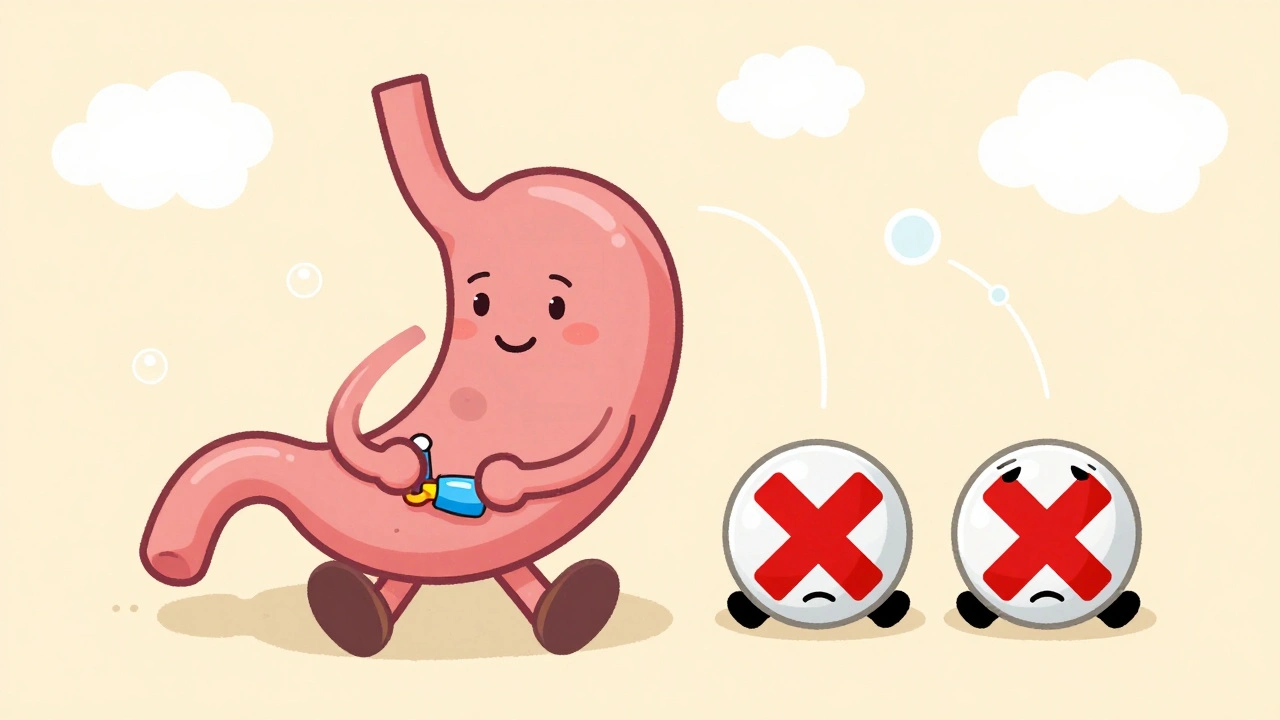
Proton Pump Inhibitors and Antifungals: How They Interfere with Absorption and Effectiveness
Proton pump inhibitors can severely reduce absorption of antifungals like itraconazole and ketoconazole, leading to treatment failure. Fluconazole is safer, but interactions with blood thinners require monitoring. New research shows PPIs may also boost antifungal power in unexpected ways.
View More
© 2026. All rights reserved.