Chronic Condition Savings: How to Cut Costs on Long-Term Medications
Living with a chronic condition means taking medication—often for life. That’s why chronic condition savings, strategies to reduce ongoing medication expenses for long-term illnesses like diabetes, epilepsy, or autoimmune disorders. Also known as long-term drug cost reduction, it’s not about cutting corners—it’s about knowing where the money really goes and how to redirect it. Most people don’t realize that the price tag on their prescription isn’t set by the pharmacy or even their insurer. It’s shaped by hidden middlemen called PBMs, pharmacy benefit managers who negotiate drug prices behind the scenes, often using spread pricing to make patients pay more than cash customers. And while brand-name drugs get all the attention, the real savings come from generic drugs, medications that are chemically identical to brand-name versions but cost 80-85% less. Yet many doctors still hesitate to prescribe them, not because they’re less effective, but because they weren’t trained to trust them.
Then there are biosimilars, highly similar versions of complex biologic drugs used for conditions like rheumatoid arthritis, Crohn’s, and cancer. They’re not generics—they’re more like close cousins of biologics—but they can cut costs by 15-35%. The problem? Many providers don’t understand how they differ from generics, so they stick with the pricier original. Meanwhile, copay cards, discount tools offered by drug makers to lower out-of-pocket costs. can slash monthly bills—but insurers are quietly using accumulator programs that don’t count those savings toward your deductible. That means when your card runs out, you’re stuck paying full price. And if you’re on insulin, statins, or seizure meds, that’s thousands of dollars a year.
What’s the fix? It’s not magic. It’s knowing how the system works. You can compare generic alternatives to your current drug, ask if a biosimilar is an option, check if your PBM is hiding price differences between cash and insurance rates, and use copay cards without getting burned. The posts below show you exactly how real people saved hundreds—or even thousands—on medications for diabetes, epilepsy, arthritis, and more. You’ll see how to verify recalls so you’re not paying for unsafe drugs, how to push back when your doctor won’t switch to a cheaper option, and how to spot when your insurer is playing games with your coverage. This isn’t about guessing. It’s about using what’s already available to keep your health—and your wallet—on track.
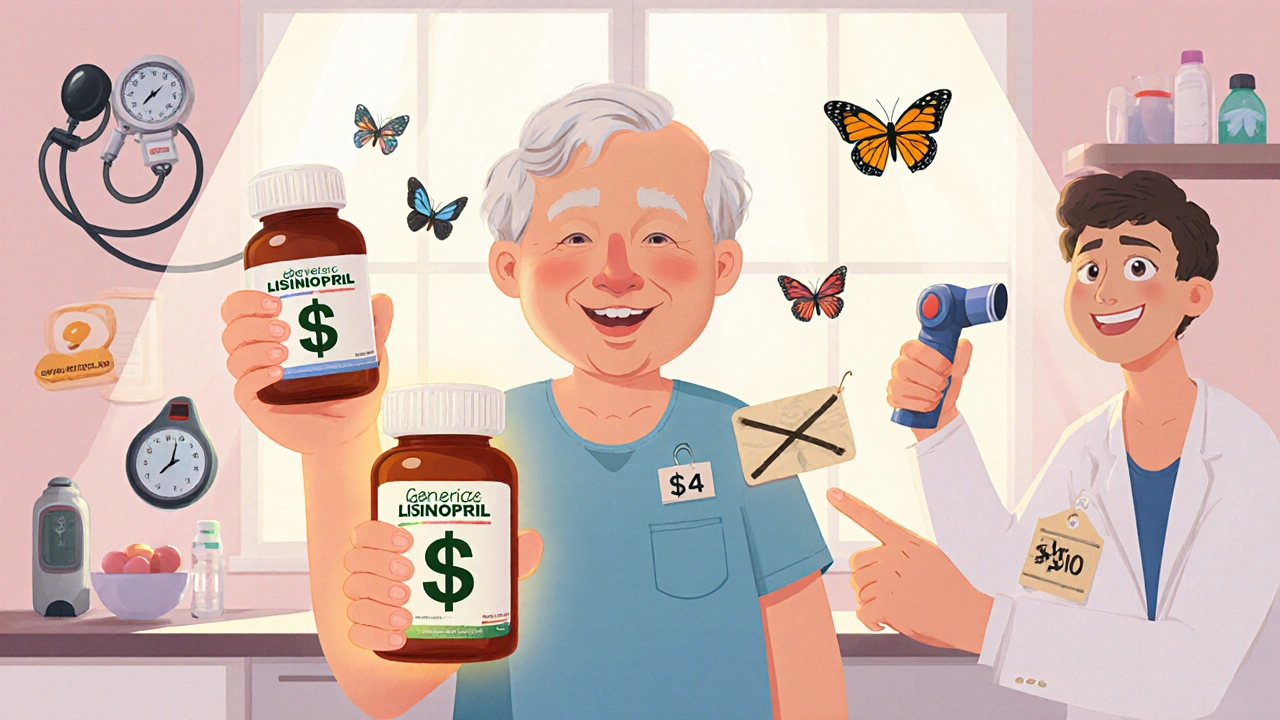
Lifetime Savings: How Generics Cut Chronic Condition Costs Forever
Generic medications can save patients thousands of dollars over a lifetime while maintaining the same effectiveness as brand-name drugs. Learn how switching to generics cuts chronic condition costs, improves adherence, and reduces long-term healthcare expenses.
View More
© 2026. All rights reserved.