CPAP for Pregnancy: What You Need to Know About Sleep Apnea Treatment
When you’re pregnant, your body changes in ways you can’t always predict—like how you breathe at night. CPAP for pregnancy, a continuous positive airway pressure device used to treat obstructive sleep apnea isn’t just for older adults or men with snoring problems. It’s a safe, effective tool for pregnant women who develop breathing issues during sleep. About 1 in 10 pregnant women experience obstructive sleep apnea, a condition where airways collapse during sleep, causing pauses in breathing, especially in the third trimester. Left untreated, it raises risks for high blood pressure, preeclampsia, low birth weight, and even preterm delivery.
Unlike some medications, CPAP machines, devices that deliver steady air pressure through a mask to keep airways open don’t enter your bloodstream. They work mechanically, making them one of the few safe, drug-free options for managing sleep apnea while pregnant. Many women worry about comfort—mask leaks, nasal dryness, claustrophobia—but modern CPAP devices are lighter, quieter, and come with heated humidifiers and adjustable straps designed for changing facial structures. A 2022 study in the Journal of Clinical Sleep Medicine found that pregnant women using CPAP had significantly fewer complications than those who didn’t, with better oxygen levels for both mother and fetus.
It’s not just about snoring. If you’ve been told you stop breathing while sleeping, wake up gasping, or feel exhausted even after 8 hours in bed, you might have sleep apnea. Hormonal shifts, weight gain, and swelling in the throat area all contribute. And because pregnancy already strains your heart and lungs, adding sleep apnea makes it worse. That’s why doctors increasingly screen for it—especially if you have a high BMI, a family history of sleep disorders, or gestational diabetes.
Some women think they can just sleep on their side or use nasal strips. Those help a little, but they don’t fix the core problem: airway collapse. CPAP is the gold standard because it keeps the airway open all night, letting your body get the rest it needs. You don’t need to use it forever—most women stop after delivery when hormone levels drop and swelling goes down. But while you’re pregnant, it’s one of the best things you can do for your baby’s health and your own energy levels.
There’s no magic fix, but CPAP for pregnancy is backed by real data, not guesswork. It’s not about being perfect with the mask—it’s about consistency. Even using it 4 hours a night makes a difference. If you’re nervous about starting, talk to your OB or a sleep specialist. They can help you pick the right mask, adjust pressure settings, and even connect you with other pregnant women who’ve used it. You’re not alone, and you don’t have to suffer through another night of poor sleep.
Below, you’ll find real, practical advice from women who’ve used CPAP during pregnancy, along with guides on choosing the right device, troubleshooting common issues, and understanding how it affects your overall health. These aren’t theoretical tips—they’re from people who’ve been there.
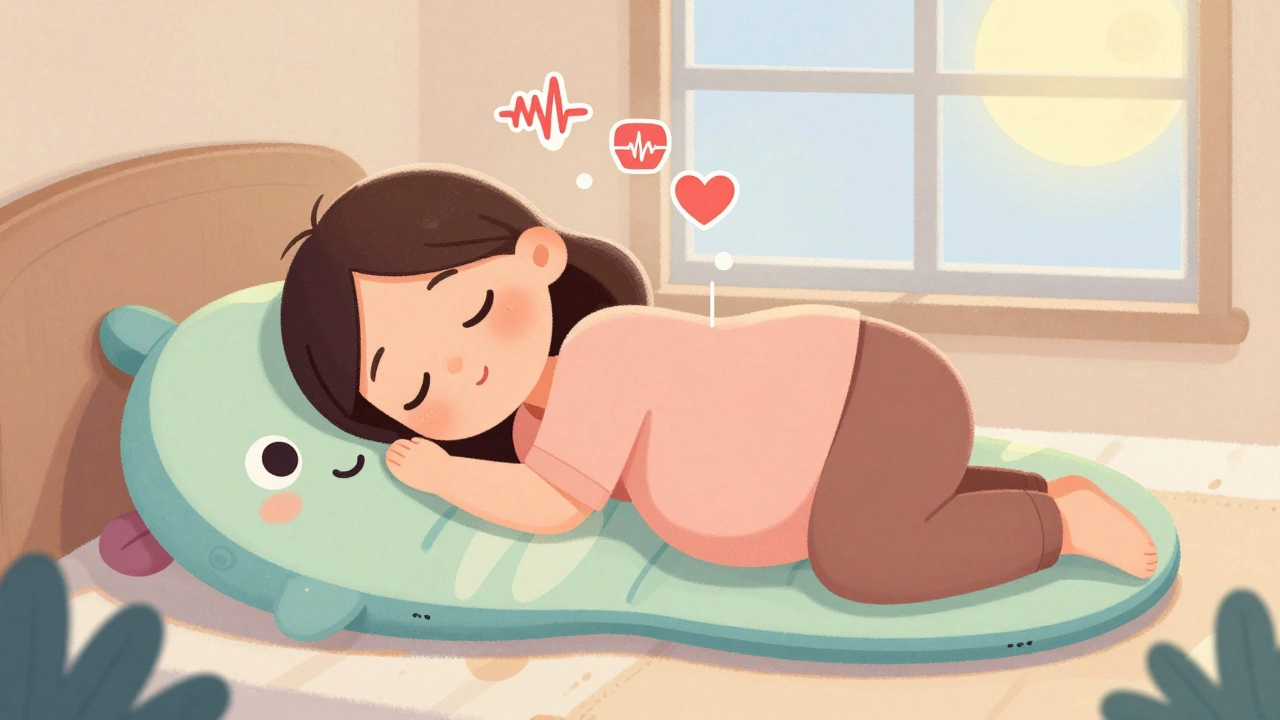
Pregnancy and Sleep: How to Manage Apnea, Reflux, and Positioning for Better Rest
Learn how to manage sleep apnea, reflux, and positioning during pregnancy to improve rest and protect your health and your baby’s. Evidence-based tips on CPAP, pregnancy pillows, and sleep habits.
View More
© 2026. All rights reserved.