Dangerous Antibiotic Combinations: What You Must Avoid
When you take an antibiotic, a medicine designed to kill or slow the growth of bacteria. Also known as antibacterial agents, they’re one of the most common drugs prescribed—but not all combinations are safe. The real danger isn’t the antibiotic itself, but what it’s mixed with. Some pairings can trigger deadly reactions, organ failure, or sudden heart rhythm problems. These aren’t rare edge cases—they happen often enough that doctors miss them every day.
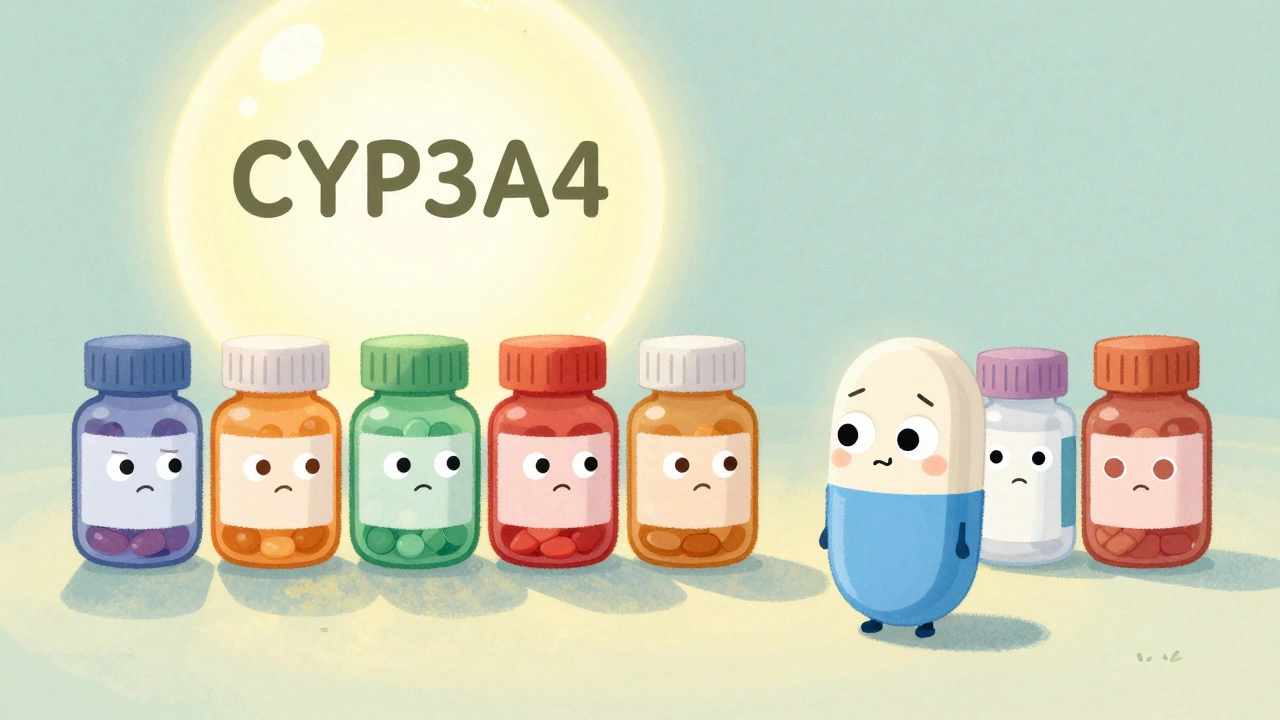
One of the biggest culprits is clarithromycin, a macrolide antibiotic used for respiratory and skin infections. When taken with statins like simvastatin or lovastatin, it can cause muscle breakdown so severe it leads to kidney failure. Pair it with colchicine—a common gout drug—and you risk multi-organ toxicity. Even heart medications like amiodarone or quinidine become dangerous when combined. This isn’t guesswork. The FDA has issued multiple warnings. The reason? Clarithromycin blocks an enzyme called CYP3A4, which your liver uses to clear out other drugs. When that enzyme shuts down, those drugs pile up in your blood like traffic on a highway with no exits.
It’s not just clarithromycin. Other antibiotics like erythromycin and azithromycin can do the same thing, though less often. Even over-the-counter supplements like St. John’s Wort can interfere, especially if you’re on other meds for depression or heart conditions. And here’s the kicker: you might not feel anything right away. Symptoms can show up days later—fatigue, irregular heartbeat, muscle pain, confusion. By then, it’s often too late. Many patients don’t even know they’re at risk because their doctor didn’t ask about all their meds. Pharmacists don’t always catch it either. The system is built for speed, not safety.
There’s no magic checklist, but there are simple steps. Always tell your doctor or pharmacist every pill, patch, or herbal thing you take—even if you think it’s harmless. Ask: "Is this antibiotic safe with my other meds?" If you’re on a statin, blood thinner, or heart drug, don’t assume it’s fine. Look up the names. Check the FDA’s drug interaction database. And if your prescription label says "take on empty stomach" or "avoid grapefruit," pay attention. Those aren’t random rules—they’re warnings.
Some people think generics are riskier, but that’s not true. The problem isn’t brand vs. generic—it’s the combo. A generic clarithromycin has the same effect as the brand name. The danger comes from what it’s mixed with, not where it came from. The same goes for PPIs, antifungals, or immunosuppressants. These aren’t isolated issues. They’re part of a bigger pattern: our bodies are complex systems, and drugs don’t act alone.
Below, you’ll find real, detailed guides on the most dangerous combinations—like how clarithromycin and colchicine can kill, why some antifungals fail when you take acid reducers, and how to spot hidden interactions before it’s too late. These aren’t theoretical. Each post is based on actual cases, FDA alerts, and clinical studies. No fluff. No marketing. Just what you need to stay safe.
Clarithromycin Drug Interactions: Dangerous Combinations to Avoid
Clarithromycin can cause deadly interactions with common medications like colchicine, statins, and heart drugs. Learn which combinations to avoid, why azithromycin is safer, and what to do if you're already taking it.
View More
© 2026. All rights reserved.