Drug-Induced Alopecia: Causes, Common Medications, and What You Can Do
When your hair starts falling out after starting a new medication, it’s not always bad luck—it could be drug-induced alopecia, hair loss triggered by pharmaceuticals rather than genetics or aging. Also known as medication-related hair loss, this condition shows up weeks or months after you begin taking a drug, and it’s more common than most people realize.
Many everyday prescriptions can cause this. Chemotherapy, a powerful cancer treatment that attacks fast-growing cells including hair follicles, is the most obvious culprit. But so are blood pressure meds like beta-blockers, antidepressants like SSRIs, and even acne treatments like isotretinoin. Even supplements like high-dose vitamin A or certain weight-loss drugs can trigger it. You might not connect the dots until you’re brushing out clumps of hair in the shower. The good news? In most cases, the hair grows back once you stop the drug—or switch to a safer alternative.
Not all hair loss from meds is the same. Some drugs cause telogen effluvium, a temporary shedding where hair enters resting mode too early. Others, like those used for prostate issues or hormone therapy, may lead to anagen effluvium, a more sudden breakage during active growth. And then there’s the tricky case of drugs like minoxidil and finasteride—which are actually used to treat hair loss, yet can cause shedding in the first few months before helping. It’s confusing, but knowing the pattern helps you know when to worry and when to wait it out.
What makes drug-induced alopecia different from male or female pattern baldness? Timing and reversibility. Pattern baldness creeps in slowly over years and rarely reverses without treatment. Drug-induced hair loss often hits suddenly, affects the whole scalp evenly, and usually stops when the trigger is removed. That’s why checking your meds is step one—if you’ve started something new in the last three months, it’s worth a conversation with your doctor. Don’t quit cold turkey, but do ask: Could this be the cause? Is there a safer option? Could a dose change help?
The posts below dive into real cases, common drugs linked to hair loss, and what actually works to protect or restore your hair while managing your health. You’ll find guides on how to spot early signs, what lab tests to ask for, and how to talk to your provider without sounding alarmist. Some even cover how certain medications interact with each other in ways that make hair loss worse. Whether you’re dealing with thinning after antibiotics, chemo, or even a new antidepressant, you’re not alone—and there are clear steps you can take next.
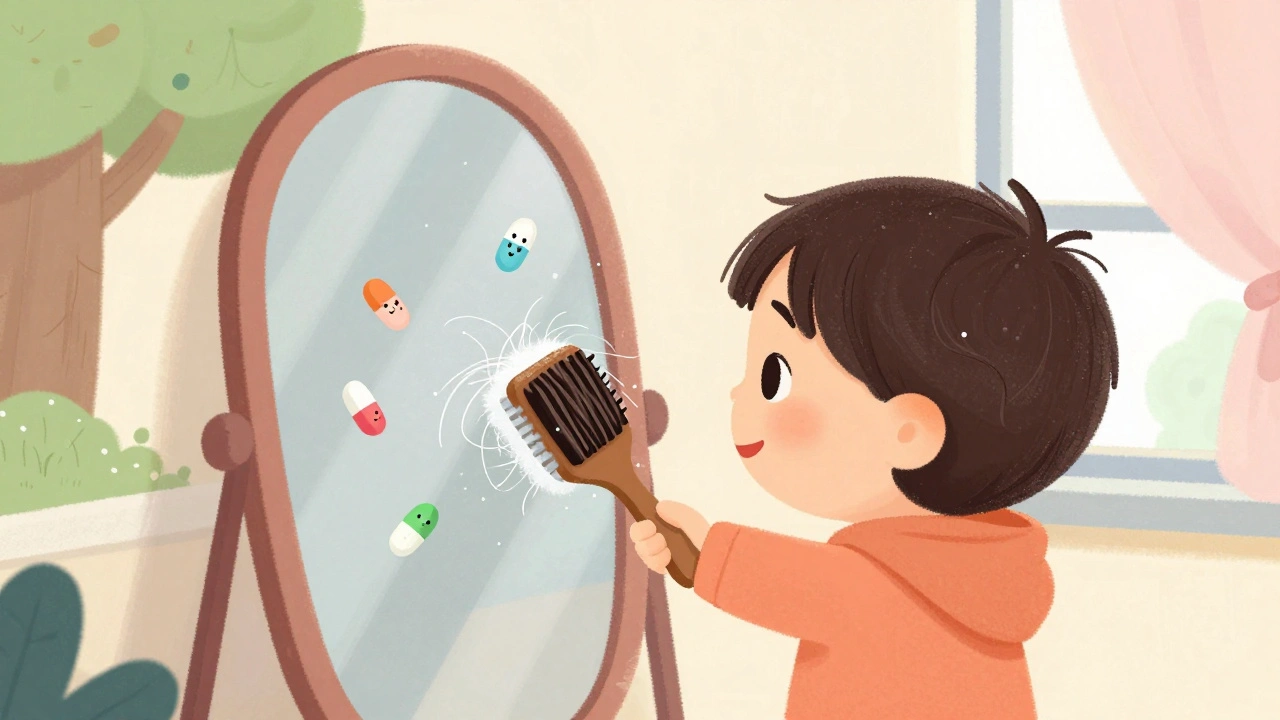
Hair Loss from Immunosuppressants: Causes and What You Can Do
Hair loss from immunosuppressants like tacrolimus and methotrexate is common but often overlooked. Learn why it happens, who’s at risk, and what actually works to stop or reverse it-without risking your transplant or health.
View More
© 2026. All rights reserved.