Drug Recalls: What You Need to Know About Unsafe Medications
When a drug recall, a formal action by regulators to remove unsafe or defective medications from the market. Also known as a medication withdrawal, it’s one of the most direct ways the system tries to protect you from harm. It’s not just about faulty pills—it’s about contaminated batches, wrong dosages, missing ingredients, or pills that break down too fast. These aren’t rare events. In 2023 alone, the FDA issued over 800 recalls for prescription and over-the-counter drugs. Most are minor, but some can be life-threatening if you’re taking them.
Not all recalls are created equal. Some are Class I—meaning there’s a reasonable chance the drug could cause serious injury or death. Others are Class III, where the issue is mostly about labeling or packaging. The key is knowing how to check if your medicine is affected. That means looking at the lot number, a unique code printed on the bottle or box that identifies the exact batch of medication produced. This isn’t optional. Generic drugs, brand-name pills, even vitamins can be pulled. A single bad batch of metformin or a mislabeled antibiotic can end up in your medicine cabinet. And if you’re taking multiple meds, one recalled drug can throw off your whole regimen.
Who’s responsible? The FDA, the U.S. agency that oversees drug safety, manufacturing, and recall enforcement. But they don’t act alone. Pharmacies, manufacturers, and even patients reporting side effects trigger the process. If you’ve noticed something off—like a pill that looks different, tastes strange, or didn’t work like it should—you might have helped start a recall. That’s why checking your meds regularly matters. You don’t need to be a pharmacist. Just know where to look: the bottle, the box, the FDA website, or your pharmacy’s recall alert system.
What happens after a recall? You don’t just toss the pills. You return them to the pharmacy. You call your doctor. You document everything. And if you’ve already taken the bad batch, you watch for symptoms. Delayed reactions can show up days later—rashes, dizziness, organ stress. Some recalls involve drugs like proton pump inhibitors or antifungals, where even a small change in potency can lead to treatment failure. Others involve generics that didn’t meet purity standards. The system isn’t perfect, but your awareness makes it work better.
Below, you’ll find real, practical guides on how to verify a recall, what to do if your medicine is pulled, how lot numbers work, and why some drugs get recalled while others don’t. No fluff. No jargon. Just what you need to stay safe.
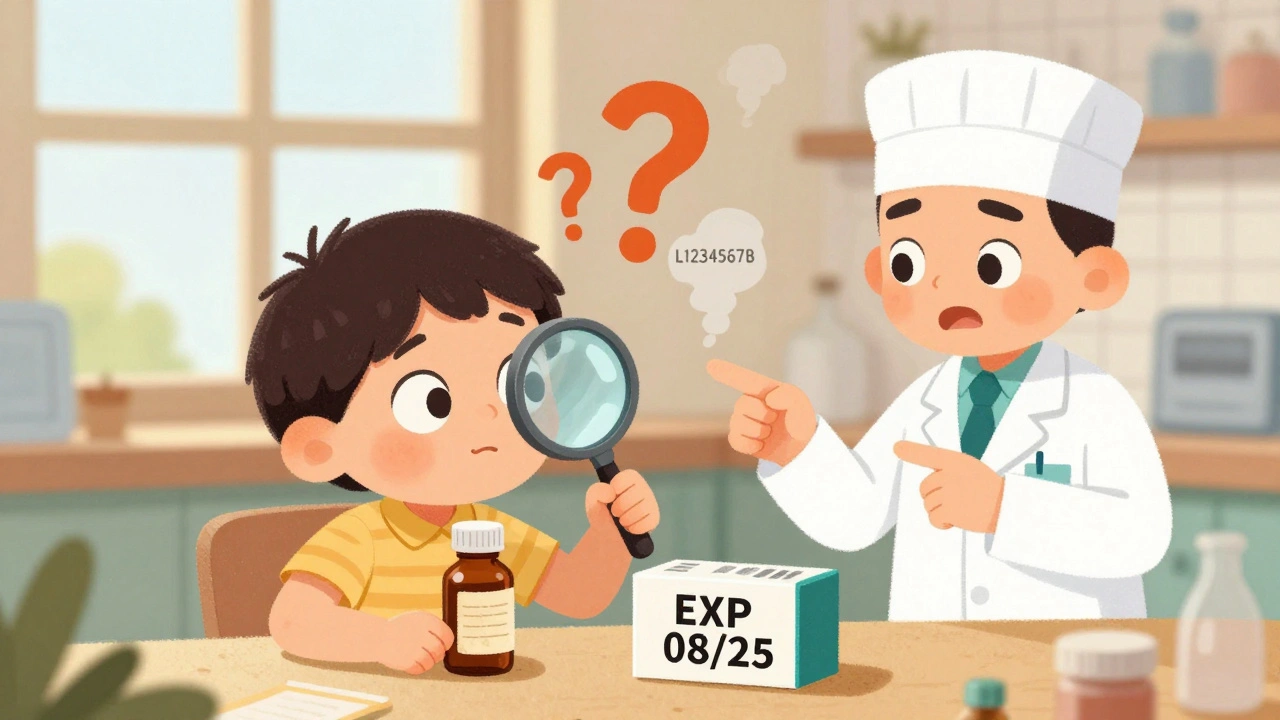
How to Check Lot Numbers and Recalls When Clearing Expired Medications
Learn how to safely clear expired medications by checking expiration dates and recalling dangerous batches. Never guess-always read the label and verify lot numbers with FDA databases.
View More
© 2026. All rights reserved.