Expired Meds: What Happens When Your Pills Go Past Their Date
When you find an old bottle of pills in the back of your medicine cabinet, it’s easy to think, "It’s probably still fine." But expired meds, medications that have passed their manufacturer’s labeled expiration date. Also known as out-of-date drugs, they don’t just become useless—they can become risky. The date on the bottle isn’t a guess or a marketing trick. It’s the last day the manufacturer guarantees the drug will work as intended, at full strength, and without harmful breakdown products.
Some drugs, like antibiotics or insulin, break down quickly after expiration. Taking an expired antibiotic might not kill the infection—and could even help bacteria grow stronger. Others, like nitroglycerin for heart attacks, can lose potency so fast that they fail when you need them most. Even common painkillers like ibuprofen or acetaminophen can degrade over time, especially if stored in humid places like bathrooms. Heat, light, and moisture are the real enemies here, not just time. A pill that’s been sitting in a hot car or a steamy bathroom might be worse than useless—it could be unsafe.
medication safety, the practice of using drugs correctly to avoid harm isn’t just about taking the right dose. It’s also about knowing when to throw something away. The FDA says most pills are still safe for a year or two past their date, but that’s under perfect storage conditions. Real life? Your medicine cabinet isn’t a lab. And if you’re treating a serious condition—diabetes, heart disease, seizures—there’s no room for guesswork. drug expiration, the point at which a medication is no longer guaranteed to be effective or safe matters most when your health depends on it.
What about those little bottles of liquid antibiotics for kids? Those are especially tricky. Liquid forms often expire within weeks after mixing, even if the bottle says "use by 2025." And don’t assume a pill that looks fine is safe. Discoloration, crumbling, or weird smells? Toss it. No second chances.
And here’s the thing: storing meds properly can stretch their life. Keep them in a cool, dry place—like a bedroom drawer, not the bathroom. Keep them in their original containers with labels intact. That way, if you’re ever unsure, you’ve got the expiration date, dosage, and name right there.
Don’t flush old pills down the toilet or toss them in the trash where kids or pets can get to them. Many pharmacies and local health departments run drug take-back programs. It’s free, safe, and keeps dangerous chemicals out of water and soil.
There’s a lot of misinformation out there—"I’ve taken expired aspirin for 10 years and I’m fine." Maybe. But you’re not a lab test. And if you’re relying on that pill to control your blood pressure, your asthma, or your seizures, you can’t afford to gamble. pill storage, how medications are kept to maintain their integrity is just as important as when you take them.
Below, you’ll find real-world guides on how to handle expired meds, what to do with old prescriptions, how recalls work, how to read labels clearly, and why some drugs are more dangerous than others when they age. These aren’t theory pieces—they’re practical, tested advice from people who’ve seen what happens when things go wrong. Whether you’re caring for an aging parent, managing a chronic condition, or just trying to clean out your medicine cabinet, this collection gives you the facts you need to stay safe.
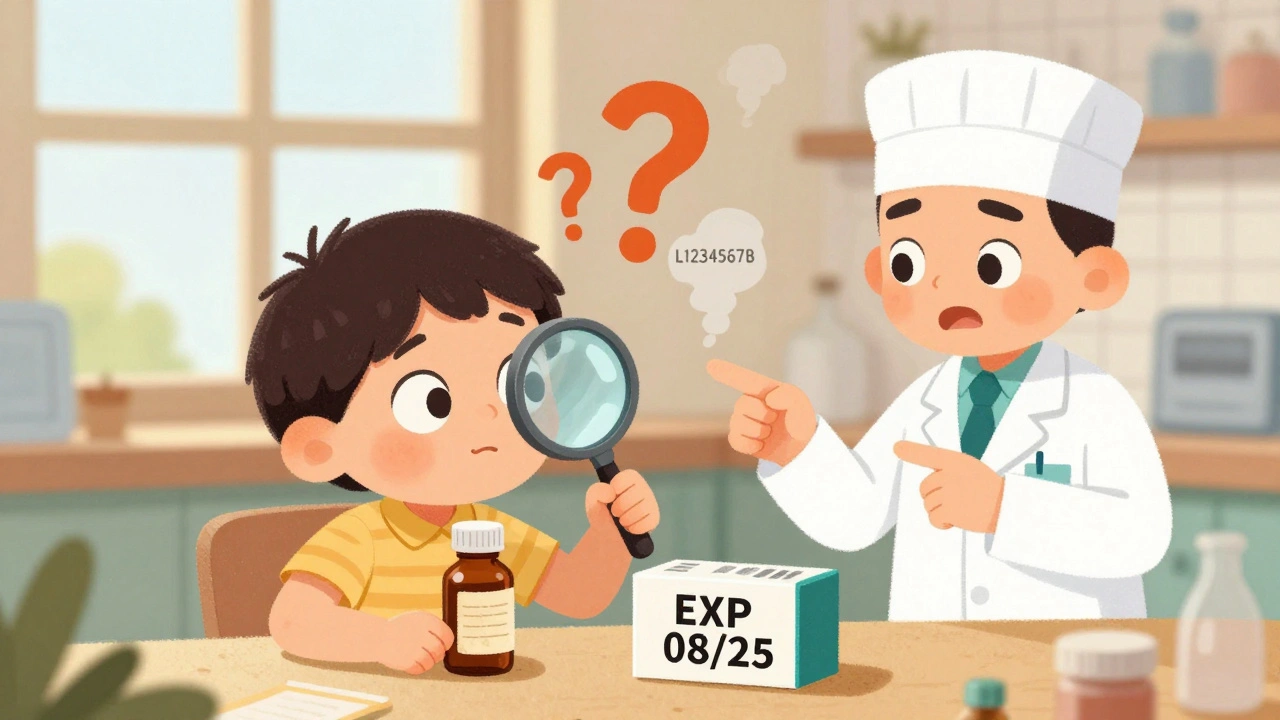
How to Check Lot Numbers and Recalls When Clearing Expired Medications
Learn how to safely clear expired medications by checking expiration dates and recalling dangerous batches. Never guess-always read the label and verify lot numbers with FDA databases.
View More
© 2026. All rights reserved.