Fall Risk Opioids: What You Need to Know About Sedatives and Balance
When you take fall risk opioids, opioid medications that impair coordination and increase the chance of accidental falls, especially in older adults. Also known as sedating painkillers, they slow down your nervous system enough to make walking, standing, or even turning in bed dangerous. It’s not just about pain relief—it’s about whether that relief is worth the risk of breaking a hip, spending months in rehab, or worse.
These drugs don’t just make you sleepy. They mess with your balance, your reaction time, and your spatial awareness. A 2021 study in the Journal of the American Geriatrics Society found that seniors on opioids were 40% more likely to fall than those not taking them. The risk climbs even higher when opioids are mixed with other sedatives like benzodiazepines or sleep aids. It’s not rare. It’s common. And it’s often ignored because the pain feels worse than the danger.
It’s not just the drugs themselves—it’s who’s taking them. Older adults, people with Parkinson’s, those with prior falls, or anyone with nerve damage or vision problems are at higher risk. Even low doses can be risky if your body processes drugs slower. And here’s the twist: many doctors still prescribe these without checking for fall history or balancing alternatives. You wouldn’t hand someone a ladder and tell them to climb it while blindfolded. But that’s what we’re doing when we give opioids to someone already unsteady.
There are better ways. Physical therapy improves balance. Non-opioid pain relievers like acetaminophen or topical NSAIDs work for many. Nerve blocks, acupuncture, and even mindfulness techniques reduce pain without the dizziness. If you’re on an opioid and you’ve tripped once, you’re already in the danger zone. Don’t wait for a fall to ask for a change.
What you’ll find below are real, practical guides on how these drugs interact with other medications, how to spot early signs of impairment, and what safer options exist for chronic pain. No fluff. No jargon. Just what works—and what doesn’t.
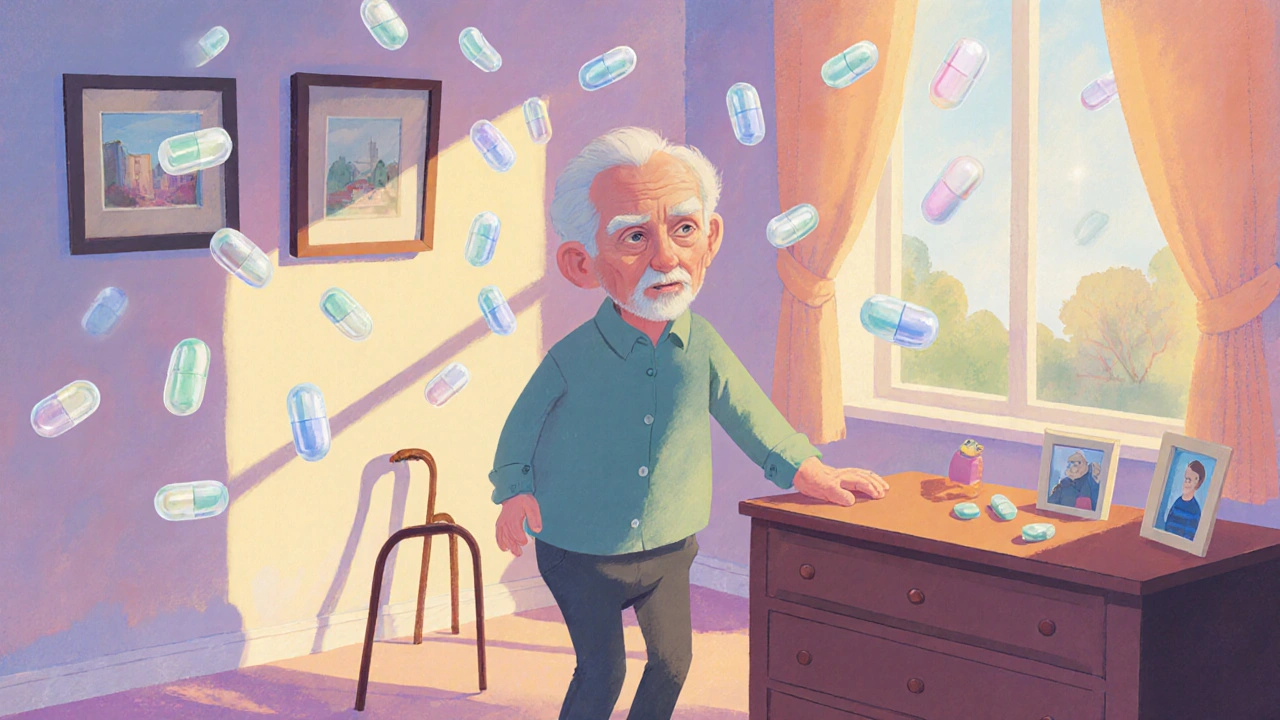
Opioids in Older Adults: Managing Falls, Delirium, and Safe Dose Adjustments
Opioids increase fall risk, delirium, and death in older adults. Safe dosing, careful monitoring, and non-drug alternatives are essential for protecting seniors from serious harm.
View More
© 2026. All rights reserved.