Generic Drug Prices: What You Really Pay and Why It Matters
When you pick up a generic drug, a medication that contains the same active ingredient as a brand-name drug but is sold under its chemical name. Also known as non-branded medication, it works the same way, has the same risks, and is held to the same FDA standards — yet often costs a fraction of the price. That’s not magic. It’s the result of patent expiration, competition, and manufacturing efficiency. In 2024 alone, generic drugs saved the U.S. healthcare system $467 billion. For many people, that’s not just a statistic — it’s the difference between taking their medicine and skipping doses.
But not all generic medications, lower-cost versions of brand-name drugs approved by the FDA as bioequivalent. Also known as generic pharmaceuticals, they are the backbone of affordable care are priced the same. Why? Because the market isn’t always fair. Sometimes, a single manufacturer controls the supply, and prices spike. Other times, brand-name companies launch their own authorized generics, a brand-name drug sold under a generic label during the first generic’s exclusivity period. Also known as same-drug generic, they undercut competition and keep prices high. And while most generics are made in the U.S. or India, supply chain issues and cleanroom standards can affect availability. The FDA’s 2023-2025 pilot program aims to fix this by prioritizing U.S.-based production, but it’s still early days.
What you pay isn’t just about the pill in the bottle. It’s about how your insurance handles copay cards, whether accumulator programs kick in after your card expires, and if your doctor knows how to prescribe the cheapest effective version. Many doctors still default to brand names because they weren’t trained on bioequivalence. Meanwhile, patients are left guessing why one generic costs $5 and another $40 for the same dose. The truth? It’s not about quality — it’s about supply, timing, and corporate strategy.
If you’re managing a chronic condition like diabetes, epilepsy, or high blood pressure, switching to generics can save you thousands over a lifetime. That’s not a guess — it’s backed by real data from people who’ve been on metformin, levetiracetam, or cephalexin for years. You don’t need to be a health expert to get the best price. You just need to know where to look, what to ask, and how to verify you’re getting the real thing — not a counterfeit pill sold under a fake name.
Below, you’ll find real stories, hard numbers, and step-by-step guides on how to cut your drug costs without cutting corners. From how lot numbers affect recalls to why some generics cost more than others, every post here is about making sense of the system — so you can get the medicine you need, at a price you can afford.
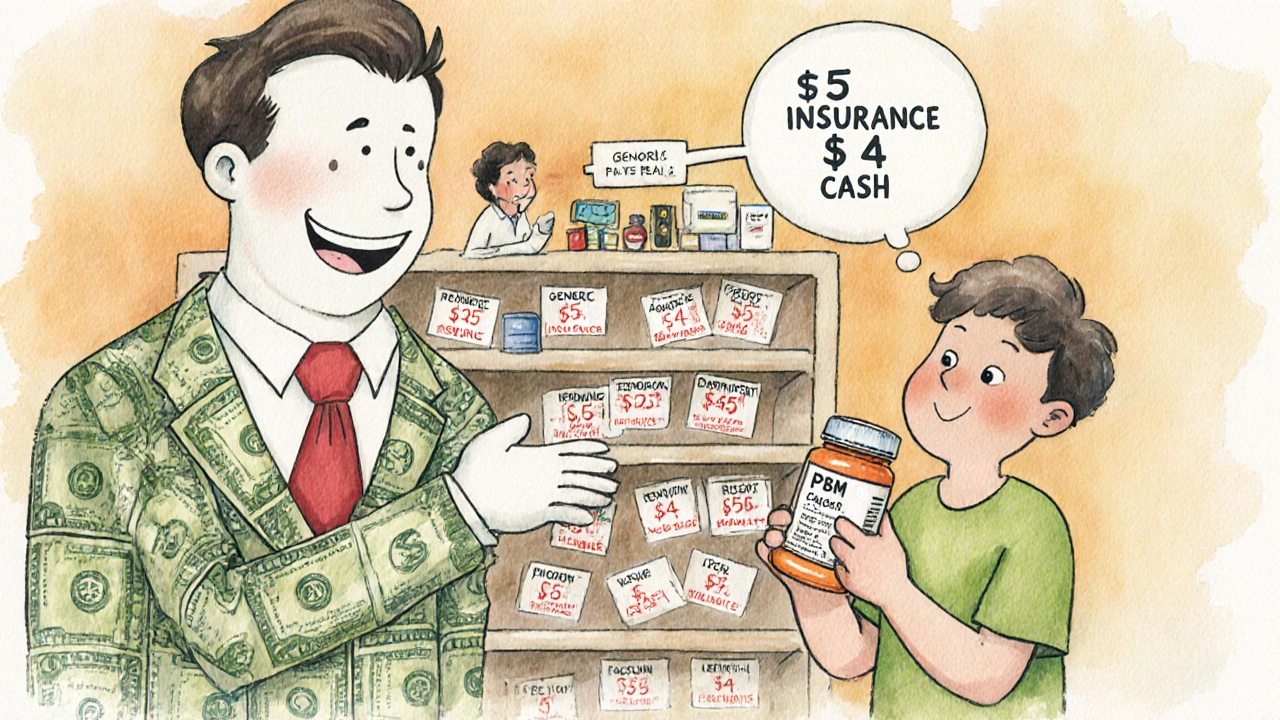
How Insurer-Pharmacy Negotiations Set Generic Drug Prices in the U.S.
Generic drug prices are set by hidden middlemen called PBMs, not insurers or pharmacies. Learn how spread pricing, gag clauses, and formulary negotiations make insured patients pay more than cash buyers-and what you can do about it.
View More
© 2026. All rights reserved.