Itraconazole: What It Is, How It Works, and What You Need to Know
When you’re fighting a fungal infection that won’t quit—whether it’s in your nails, lungs, or skin—itraconazole, a prescription antifungal medication used to treat serious fungal infections. Also known as Sporanox, it works by breaking down the cell walls of fungi so they can’t survive or spread. Unlike over-the-counter creams, itraconazole is meant for deeper, systemic infections that don’t respond to topical treatments. It’s not a quick fix, but for conditions like fungal nail infections or histoplasmosis, it’s often the most effective tool doctors have.
It’s not just about killing fungi. itraconazole, a systemic antifungal that requires careful dosing and monitoring affects how your body processes other drugs. If you’re on blood pressure meds, cholesterol drugs, or even some antidepressants, itraconazole can raise their levels dangerously high. That’s why doctors check your liver function and review your full medication list before prescribing it. It’s also not safe for people with heart failure—itraconazole can worsen it. And unlike some antifungals, it needs stomach acid to work, so you can’t just swallow it on an empty stomach. Taking it with food, especially fatty meals, makes it absorb better.
Side effects aren’t rare. Nausea, headaches, and swelling in the legs happen in a chunk of users. More serious but rare reactions include liver damage and nerve problems that cause tingling or numbness. If you start feeling unusually tired, your skin turns yellow, or you lose feeling in your hands or feet, stop taking it and call your doctor right away. These aren’t just side effects—they’re warning signs.
It’s also worth noting that itraconazole isn’t used for every fungal problem. For simple athlete’s foot, a cream works fine. For yeast infections, fluconazole is often the first choice. Itraconazole steps in when those fail—or when the infection is in places creams can’t reach, like deep in the lungs or under the nail bed. It’s a targeted weapon, not a broad-spectrum solution.
And because it’s a prescription drug, you won’t find it in discount online pharmacies without a valid script. Counterfeit versions are out there, and they’re dangerous. Some contain no active ingredient. Others have toxic fillers. That’s why verifying your pharmacy and checking lot numbers matters—just like in the recall guides below.
What you’ll find in the posts here isn’t just a list of articles. It’s a practical toolkit. You’ll see how to read prescription labels correctly, how to avoid dangerous drug interactions, how to track recalls, and how to manage chronic conditions with multiple meds—all of which matter when you’re taking something as powerful as itraconazole. Whether you’re a patient, a caregiver, or just trying to understand why your doctor chose this drug over others, these posts give you the real, no-fluff details you need to stay safe and informed.
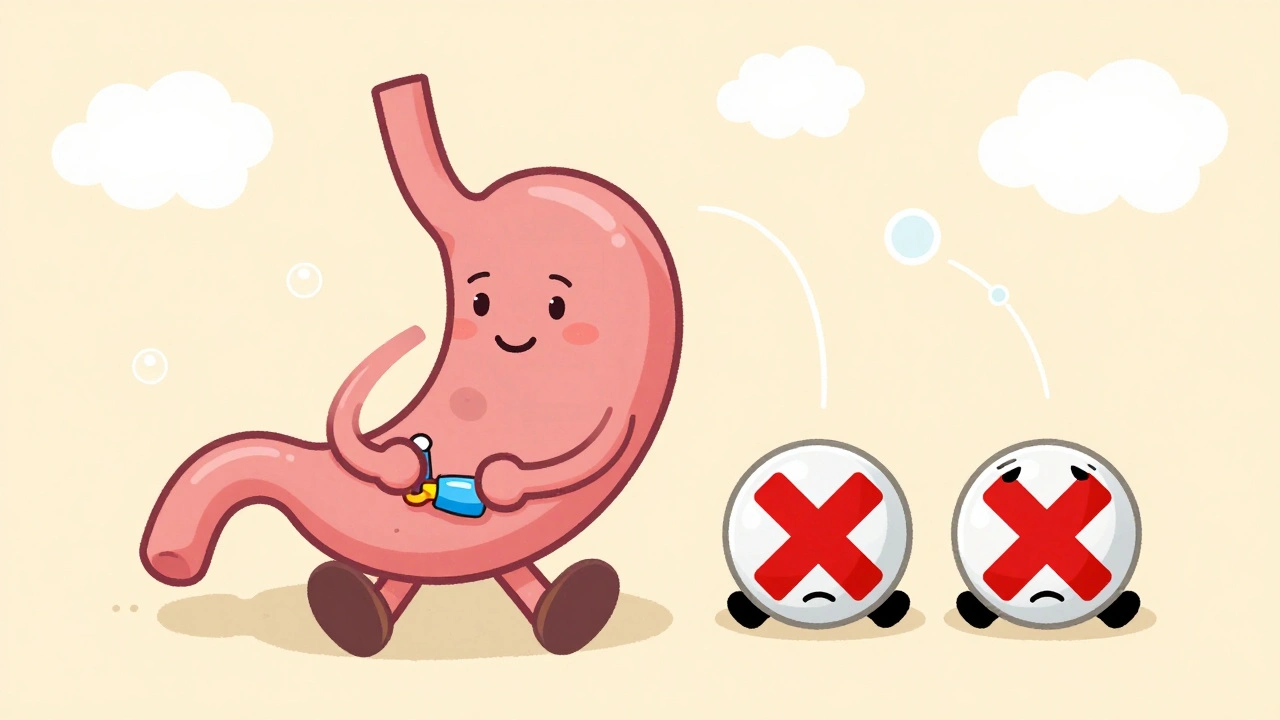
Proton Pump Inhibitors and Antifungals: How They Interfere with Absorption and Effectiveness
Proton pump inhibitors can severely reduce absorption of antifungals like itraconazole and ketoconazole, leading to treatment failure. Fluconazole is safer, but interactions with blood thinners require monitoring. New research shows PPIs may also boost antifungal power in unexpected ways.
View More
© 2026. All rights reserved.