Kidney Function: What It Is, How It Works, and What Affects It
When we talk about kidney function, the process by which your kidneys filter waste, balance fluids, and regulate blood pressure. Also known as renal function, it’s not just about making urine—it’s about keeping your entire body running smoothly. Your kidneys work 24/7, cleaning about 120 to 150 quarts of blood every day to produce 1 to 2 quarts of urine. If they slow down, toxins build up, fluids swell, and your blood pressure goes haywire. This isn’t something you can ignore until it’s too late.
Kidney function doesn’t happen in a vacuum. It’s tied to kidney health, the overall condition of your kidneys as influenced by diet, medications, and chronic conditions. High blood pressure and diabetes are the top two killers of kidney function—both sneak up on you. Even something as simple as taking too many NSAIDs like ibuprofen over time can damage your kidneys. On the flip side, staying hydrated, eating less salt, and controlling blood sugar can help your kidneys last longer. And yes, some medications, like certain antibiotics or contrast dyes used in scans, can stress your kidneys, especially if you’re already at risk.
Then there’s kidney disease, a gradual loss of kidney function that often shows no symptoms until it’s advanced. Many people don’t know they have it until they get a blood test showing high creatinine or low eGFR. That’s why regular checkups matter, especially if you’re over 60, have high blood pressure, or have a family history of kidney problems. It’s not just about avoiding pain—it’s about catching trouble before it steals your energy, your sleep, or your ability to manage other conditions like heart disease or diabetes.
What you’ll find in these articles isn’t theory. It’s real-world advice from people who’ve had to navigate medication changes, side effects, and daily choices that impact their kidneys. You’ll see how drug interactions—like grapefruit with statins—can strain kidney function. You’ll learn how dosing liquid meds correctly matters more than you think, especially if your kidneys aren’t filtering well. And you’ll find out why some painkillers, sleep aids, or even herbal supplements can quietly hurt your kidneys over time. This isn’t about fear. It’s about awareness. Your kidneys don’t shout—they whisper. And these posts help you hear them before it’s too late.
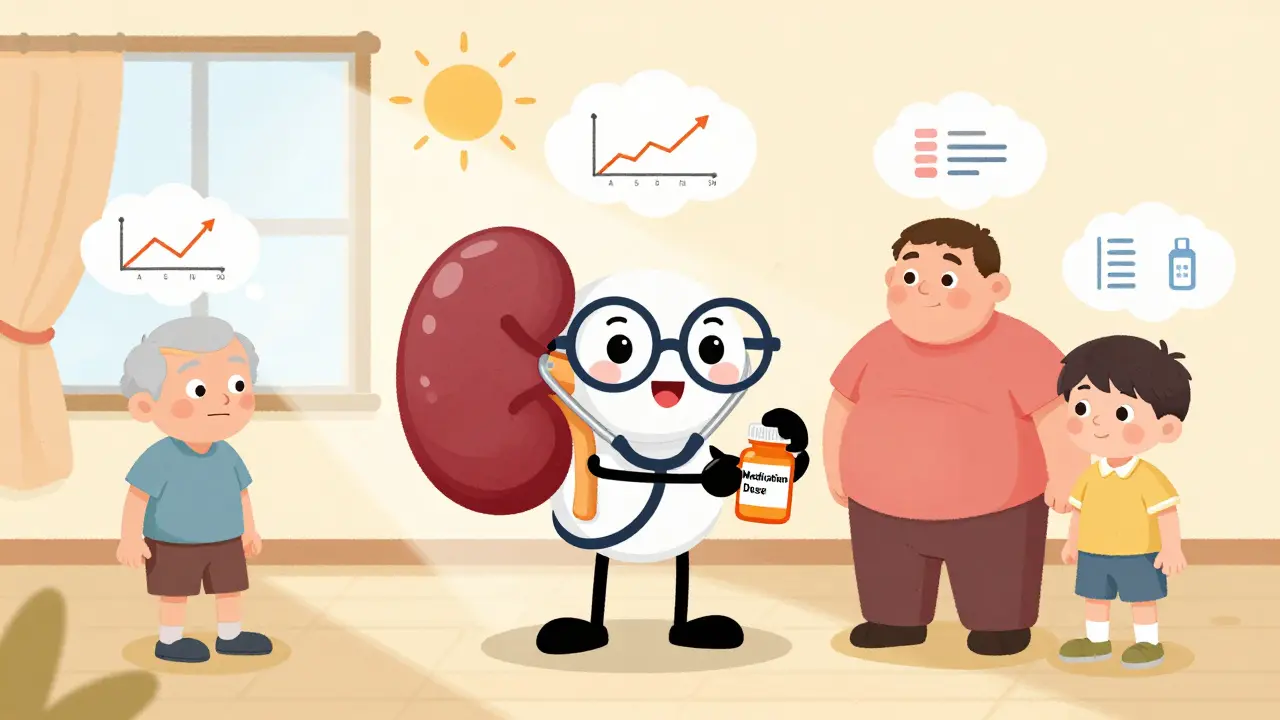
Medication Dosing: How Age, Weight, and Kidney Function Change Your Prescription
Medication dosing isn't one-size-fits-all. Age, weight, and kidney function can drastically change how your body handles drugs. Learn why your dose may need adjustment-and how to ask the right questions to stay safe.
View More
Metformin and Kidney Function: How to Monitor and Adjust Doses Safely
Metformin is safe for most people with mild to moderate kidney disease when dosed correctly. Learn how eGFR guides safe use, when to adjust doses, and why stopping metformin unnecessarily can be dangerous.
View More
© 2026. All rights reserved.