Lifetime Drug Savings: How to Cut Prescription Costs for Good
When you think about lifetime drug savings, the total amount of money you save on medications over years of use. Also known as long-term prescription cost reduction, it’s not about one big discount—it’s about stacking smart choices every time you fill a prescription. Most people assume their insurance covers the best price, but that’s often not true. The real savings come from knowing how drug pricing works behind the scenes—and using that knowledge to your advantage.
Take generic drugs, medications that are chemically identical to brand-name versions but cost far less. Also known as non-brand medications, they make up 90% of prescriptions in the U.S. Yet many patients still pay more than they should because of middlemen called PBMs, pharmacy benefit managers who negotiate drug prices between insurers and pharmacies. Also known as drug pricing middlemen, they often hide the real cost through spread pricing and gag clauses. A 2023 study showed insured patients paid up to 300% more for the same generic than cash buyers. That’s not a typo. And it’s not rare. biosimilars, lower-cost versions of complex biologic drugs that work just like the originals. Also known as biologic generics, they can cut costs by 15-35% for conditions like arthritis and cancer. But if your doctor doesn’t know the difference between a biosimilar and a generic, you might miss out entirely.
Then there’s copay cards, free discount cards offered by drug makers to lower your out-of-pocket cost. Also known as manufacturer coupons, they can slash monthly bills from $500 to $10—but many insurers now use accumulator programs that don’t count those payments toward your deductible. So when the card runs out, you’re stuck paying full price. That’s not savings. That’s a trap. And it’s everywhere.
Real lifetime drug savings don’t come from luck. They come from knowing when to ask for a generic, how to check if your PBM is hiding costs, whether a biosimilar is an option, and how to use copay cards without getting burned. You don’t need to be a pharmacist. You just need to know what questions to ask—and where to look.
Below, you’ll find real, practical guides that break down exactly how these systems work. From how FDA approval changes affect your access to generics, to why your insulin costs more than your neighbor’s—even if you both have the same insurance. No fluff. No jargon. Just what you need to stop overpaying, one prescription at a time.
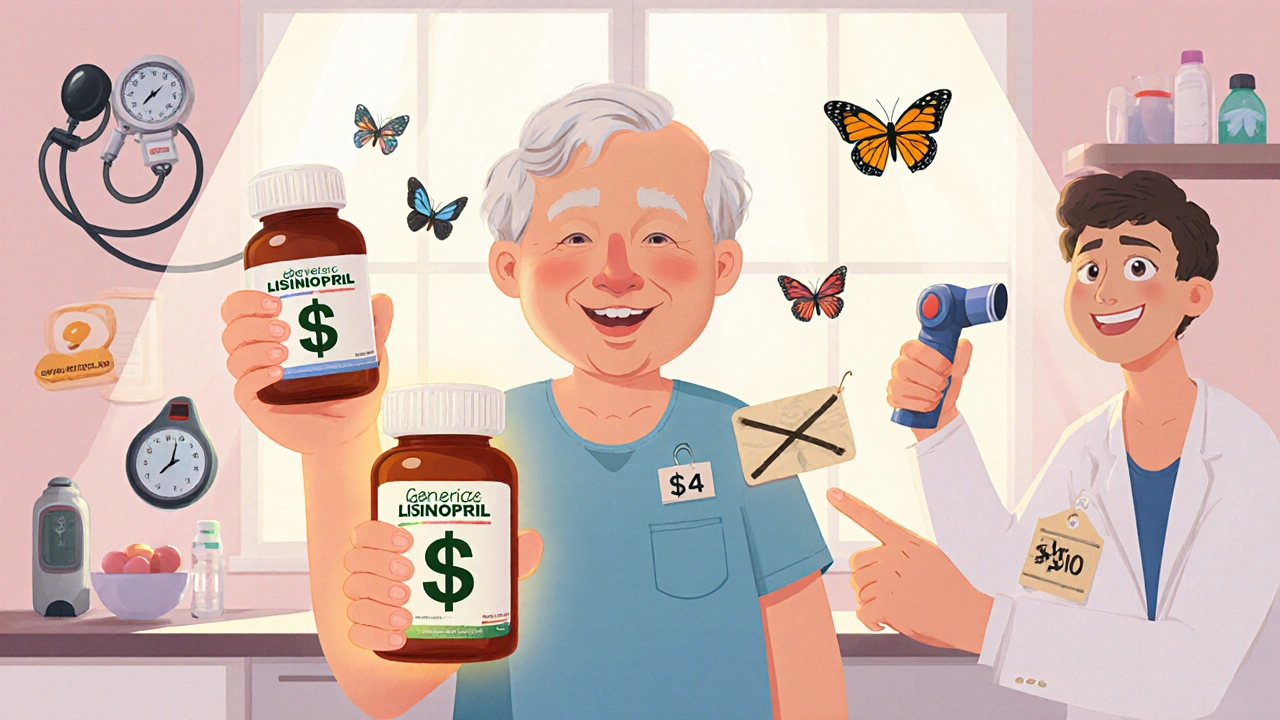
Lifetime Savings: How Generics Cut Chronic Condition Costs Forever
Generic medications can save patients thousands of dollars over a lifetime while maintaining the same effectiveness as brand-name drugs. Learn how switching to generics cuts chronic condition costs, improves adherence, and reduces long-term healthcare expenses.
View More
© 2026. All rights reserved.