Medication Expiration: What Really Happens When Drugs Go Bad
When you see an expiration date, the date a manufacturer guarantees a drug will remain at full potency and safety under recommended storage on your pill bottle, it’s not just a suggestion—it’s a legal and scientific boundary. Most people assume expired meds are useless or toxic, but the truth is more complex. The expiration date doesn’t mean the drug suddenly turns dangerous. Instead, it’s the last day the manufacturer can guarantee it works as intended. Studies by the FDA and military research show many medications retain potency for years beyond that date, especially if stored properly in cool, dry places.
But not all drugs behave the same. liquid antibiotics, like amoxicillin suspension, break down fast after mixing and should never be used past their printed date. insulin and nitroglycerin lose effectiveness quickly once opened, and using them past expiration could be life-threatening. On the other hand, tablets like ibuprofen or acetaminophen often remain stable for a decade if kept away from heat and moisture. The real danger isn’t always the drug itself—it’s the risk of taking a medication that won’t work when you need it most, like an expired EpiPen during an allergic reaction.
Storage matters more than you think. A bathroom cabinet? Bad idea. Humidity and temperature swings wreck pills. A drawer in your bedroom? Much better. Keep meds in their original containers with the labels intact—those bottles are designed to protect against light and moisture. If you’re unsure whether a drug is still good, don’t guess. Check with your pharmacist. They’ve seen expired meds for years and know which ones are risky and which are probably fine. And if you’re storing a large supply of meds for emergencies, rotate them yearly. Use the oldest first. Don’t just shove new bottles to the back.
Expired medications aren’t just a personal issue—they’re a public health one. Millions of dollars are wasted every year when people toss out perfectly good pills because they’re scared of the date. But tossing out safe meds also means people might skip doses or ration pills, which is far more dangerous. The key isn’t to ignore expiration dates—it’s to understand them. Know which drugs are critical to replace on time, which can be kept longer, and how to store them right. That’s the difference between being cautious and being scared.
Below, you’ll find real-world guides on how to handle expired drugs, what to do with old prescriptions, how to read labels correctly, and how to avoid dangerous mix-ups. Whether you’re managing chronic meds, caring for an aging parent, or just trying to cut costs without risking your health, these posts give you the facts—not the fear.
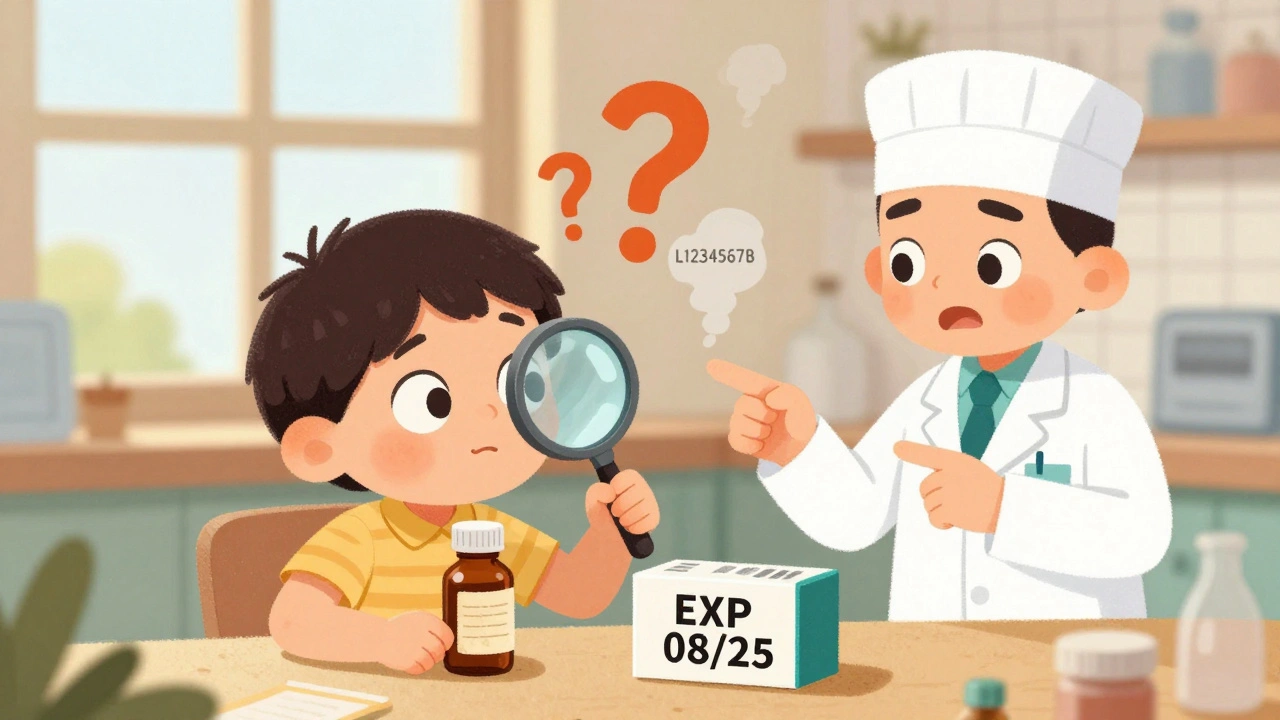
How to Check Lot Numbers and Recalls When Clearing Expired Medications
Learn how to safely clear expired medications by checking expiration dates and recalling dangerous batches. Never guess-always read the label and verify lot numbers with FDA databases.
View More
© 2026. All rights reserved.