Muscle Loss Menopause: What Causes It and How to Fight It
When you hit menopause, your body changes in ways you might not expect—like losing muscle mass faster than before. This isn’t just about getting older. It’s about muscle loss menopause, the accelerated decline in lean muscle tissue triggered by dropping estrogen levels during perimenopause and postmenopause. Also known as sarcopenia of menopause, it’s a real, measurable condition that affects balance, metabolism, and daily function. Estrogen doesn’t just control your periods—it helps maintain muscle protein synthesis. When it drops, your body starts breaking down muscle faster than it can rebuild it. That’s why women in their 50s and 60s often feel weaker, tire more easily, or struggle to lift groceries or climb stairs like they used to.
This isn’t just about appearance. Losing muscle means your metabolism slows down, making weight gain more likely—even if you eat the same amount. It also raises your risk of falls, fractures, and long-term disability. And while many assume it’s just aging, research shows that women who stay active and adjust their nutrition can cut muscle loss in half. The key isn’t just exercise—it’s the right kind. strength training, resistance exercises using weights, bands, or bodyweight that challenge your muscles is the most effective tool we have. Studies from the National Institute on Aging show that just two sessions a week can reverse muscle decline in postmenopausal women. Protein intake matters too. Most women over 50 aren’t eating enough—aim for 1.2 to 1.6 grams of protein per kilogram of body weight daily. That’s about 20–30 grams per meal, not just a protein shake at dinner.
hormone changes, the drop in estrogen and other sex hormones that occur during menopause are the main driver, but they’re not the whole story. Lack of movement, chronic stress, poor sleep, and even some medications can make muscle loss worse. You don’t need a gym membership or fancy equipment. Walking with weights, doing squats while holding onto a chair, or using resistance bands while watching TV can make a difference. The goal isn’t to become a bodybuilder—it’s to stay strong enough to live independently, carry your grandkids, or get up from the floor without help.
What you’ll find below are real, practical posts that cut through the noise. You’ll see how to test your muscle strength at home, what supplements actually help (and which ones don’t), why protein timing matters more than you think, and how to design a simple routine that fits into a busy life. No fluff. No gimmicks. Just what works—for your body, your schedule, and your goals.
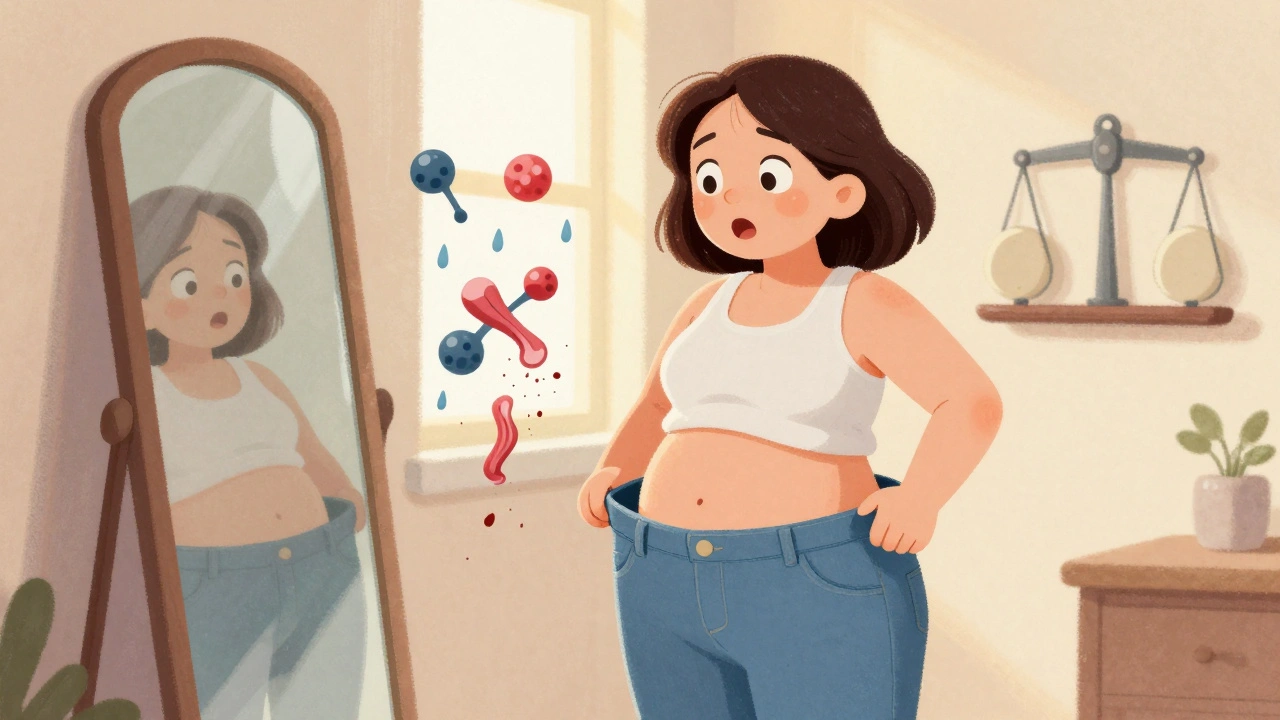
Menopause Weight Gain: How Hormones, Muscle Loss, and Strategy Shape Your Body After 40
Menopause weight gain is driven by hormonal shifts, muscle loss, and metabolic slowdown-not just overeating. Learn how estrogen decline, abdominal fat storage, and strength training affect your body after 40, and what actually works to regain control.
View More
© 2026. All rights reserved.