Opioid Dose Adjustment: Safe Ways to Change Pain Medication Levels
When you're on opioid dose adjustment, the process of changing the amount of opioid medication a person takes to manage pain safely and effectively. It's not just about taking more when the pain comes back—it's a careful balance between control and risk. Many people think if a dose stops working, they just need more. But that’s not how it works. Your body can build tolerance, meaning the same dose doesn’t feel as strong. That doesn’t always mean you need a higher dose—it might mean you need a different approach.
opioid tolerance, a physiological state where the body responds less to the same amount of opioid over time is real, but it’s not the same as addiction. Tolerance happens in people managing chronic pain, even when they take their meds exactly as prescribed. When doctors adjust doses, they look at pain scores, side effects like drowsiness or constipation, and whether the person can still do daily tasks. They don’t just crank up the number. Sometimes, switching to a different opioid—even at the same strength—works better. Other times, adding a non-opioid like gabapentin or acetaminophen reduces the need for more opioids altogether.
opioid withdrawal, the physical and emotional symptoms that occur when someone reduces or stops opioid use after regular use is another big reason dose changes need to be slow. Stopping cold turkey or cutting too fast can trigger nausea, sweating, anxiety, and even muscle cramps. That’s why tapering matters. A safe taper might take weeks or months, depending on how long someone’s been on the medication and what dose they’re on. It’s not a race. The goal isn’t to get off opioids fast—it’s to get to the lowest effective dose that keeps pain manageable without making life worse.
And it’s not just about the numbers. Your doctor needs to know how you’re sleeping, working, or playing with your kids. If you’re still in pain after a dose change, or if you’re too dizzy to walk the dog, that’s data. That’s what guides the next step. Some people need higher doses for years. Others find relief with much less. It’s personal. And it’s not something you should do on your own. Even small changes can be dangerous if you’re not monitored.
What you’ll find below are real, practical guides from people who’ve been through this—how to talk to your doctor about dose changes, what side effects to watch for, how to spot when a change isn’t working, and what alternatives exist when opioids aren’t the answer anymore. No fluff. No hype. Just what you need to know to stay safe and in control.
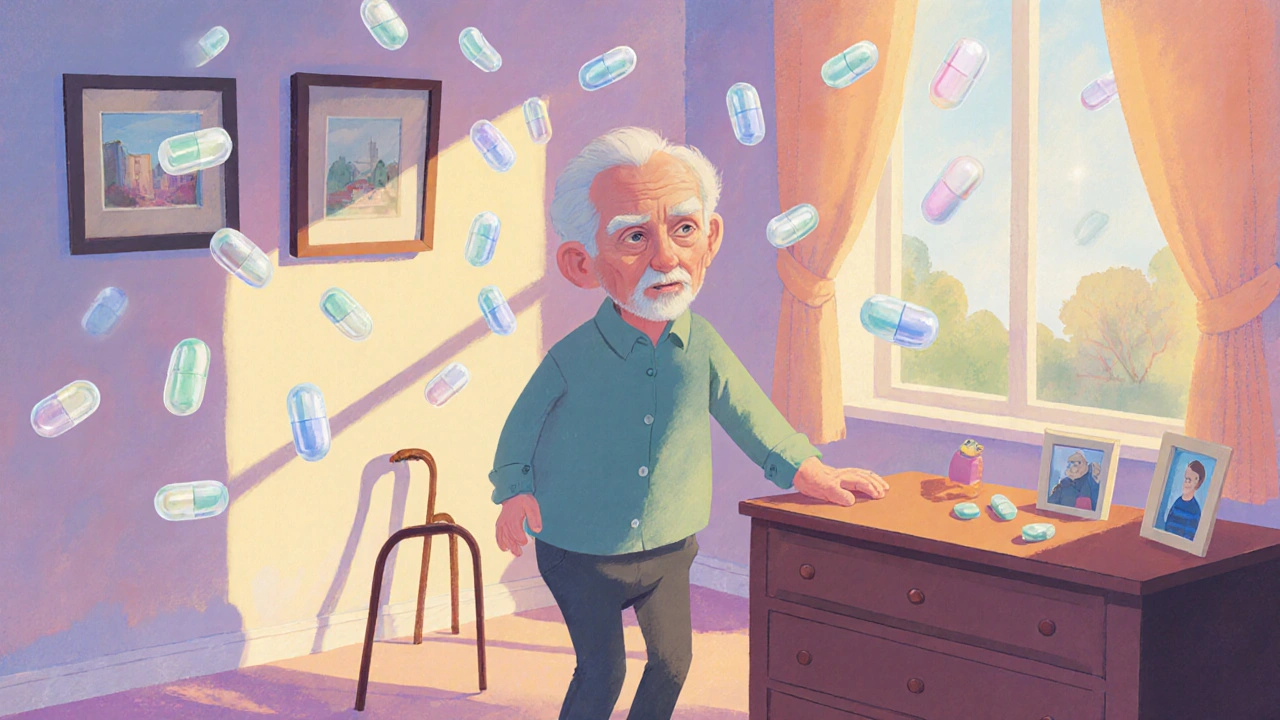
Opioids in Older Adults: Managing Falls, Delirium, and Safe Dose Adjustments
Opioids increase fall risk, delirium, and death in older adults. Safe dosing, careful monitoring, and non-drug alternatives are essential for protecting seniors from serious harm.
View More
© 2026. All rights reserved.