Opioids in Elderly: Risks, Alternatives, and Safe Use
When opioids in elderly, a class of powerful painkillers often prescribed for chronic pain in older adults. Also known as narcotics, they can quickly become dangerous when used long-term in seniors due to slower metabolism and increased sensitivity. Many doctors still reach for opioids first for back pain, arthritis, or post-surgery discomfort—but that’s changing fast. The risks don’t just add up; they multiply in people over 65.
opioid side effects, common reactions like dizziness, constipation, and mental fog hit older adults harder. A single dose can make someone unsteady on their feet, leading to fractures. Studies show seniors on opioids are 2 to 3 times more likely to fall and break a hip than those on non-opioid pain relief. And it’s not just physical. Opioids can blur thinking, worsen memory, and even trigger depression—symptoms often mistaken for normal aging.
elderly pain management, the approach to treating pain in older adults without over-relying on drugs now focuses on safer, smarter options. Physical therapy, heat therapy, topical creams like lidocaine or capsaicin, and even low-dose antidepressants can outperform opioids for many types of chronic pain. For nerve pain, gabapentin or pregabalin often work better with fewer risks. Even simple changes—like better shoes, walking aids, or sleep posture—can reduce pain enough to skip pills entirely.
When opioids are truly necessary, doctors now follow strict rules: start low, go slow, and check in weekly. The goal isn’t to eliminate all pain—it’s to keep seniors moving and independent. Long-term use? That’s a red flag. Most guidelines now say opioids shouldn’t be the first or only answer for chronic pain in people over 65. And if someone’s on multiple medications—common in seniors—opioids can interact dangerously with blood pressure drugs, sleep aids, or even over-the-counter cold medicine.
Many families don’t realize how easy it is to accidentally overdose an elderly parent on opioids. A pill that seems harmless to a 30-year-old can be lethal to someone 80. And because seniors often take meds without telling their doctor—maybe they’re afraid of being judged—they hide side effects until it’s too late.
What you’ll find in these articles isn’t theory. It’s real-world guidance from doctors, pharmacists, and caregivers who’ve seen the damage opioids cause—and the better ways out. You’ll learn how to spot early warning signs, what non-drug options actually work, how to talk to a doctor about reducing pills, and why some "safe" alternatives aren’t safe at all. This isn’t about avoiding pain. It’s about managing it without putting your life at risk.
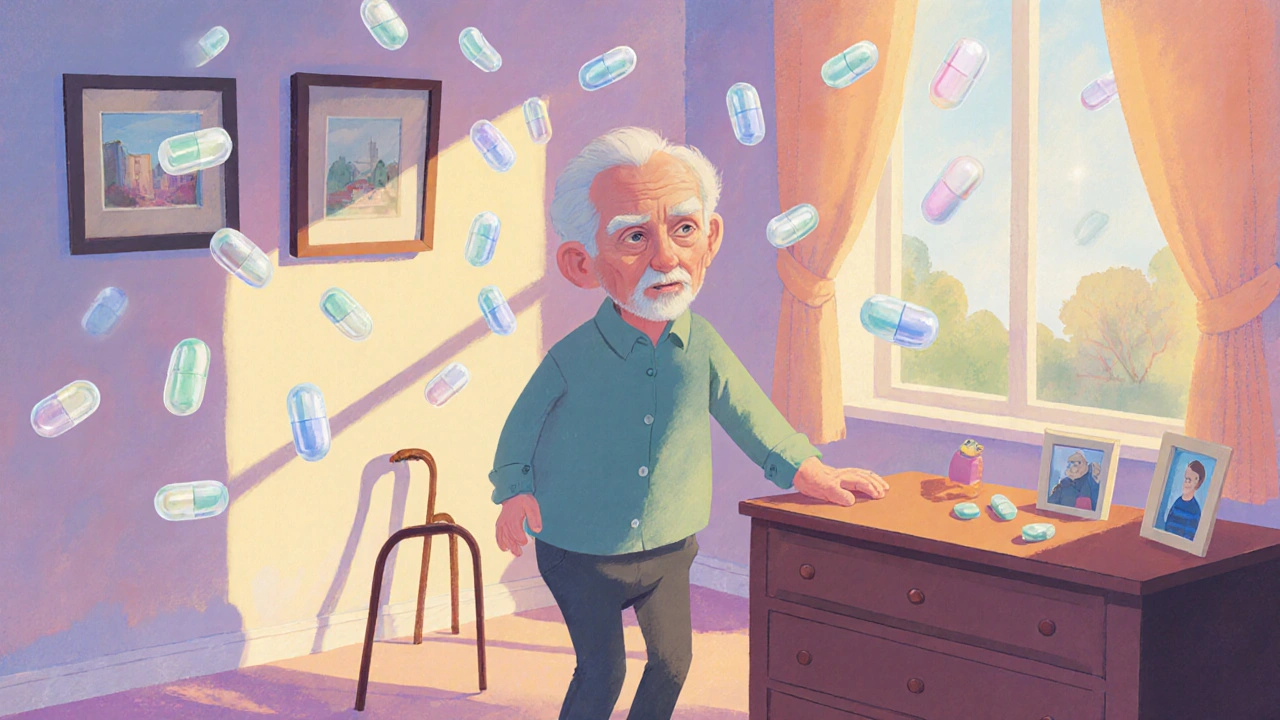
Opioids in Older Adults: Managing Falls, Delirium, and Safe Dose Adjustments
Opioids increase fall risk, delirium, and death in older adults. Safe dosing, careful monitoring, and non-drug alternatives are essential for protecting seniors from serious harm.
View More
© 2026. All rights reserved.