Pediatric Medication: Safe Dosing, Common Drugs, and What Parents Need to Know
When it comes to pediatric medication, medicines specially formulated or dosed for children from newborns to teens. Also known as child-specific drugs, these aren’t just smaller versions of adult pills—they’re designed with different metabolism, body weight, and developmental needs in mind. Giving a child the same dose as an adult can be dangerous. Even a slight miscalculation in milligrams can lead to serious side effects or toxicity. That’s why pediatric medication requires precision, clear labeling, and often special formulations like liquids, chewables, or dissolvable tablets.
One of the biggest challenges parents face is understanding child dosage, the exact amount of medicine based on weight or age, not just a spoonful from a bottle. Many over-the-counter cold syrups, fever reducers, and antibiotics have different concentrations. For example, infant drops of acetaminophen are more concentrated than children’s liquid, and mixing them up can cause liver damage. pediatric prescribing, how doctors choose and adjust meds for kids based on clinical guidelines isn’t guesswork—it’s guided by weight-based formulas, FDA approvals for age groups, and decades of pediatric pharmacology research. But even then, parents often get conflicting advice from different providers or pharmacies.
Some of the most common children's drugs, medications routinely prescribed or recommended for kids include amoxicillin for ear infections, ibuprofen for fever, and albuterol for asthma. But not all drugs are safe. For instance, aspirin is strictly avoided in children due to Reye’s syndrome risk. Cough medicines are often ineffective for kids under six, yet still widely misused. And while generic versions of many pediatric drugs are available and cost-effective, not all are approved for every age group. The FDA doesn’t require manufacturers to test every drug on every age of child, so some prescriptions are "off-label"—used because there’s no better option, not because they’re officially approved.
Side effects in kids can look very different than in adults. A child on antibiotics might get diarrhea or a rash. A teen on ADHD meds might lose appetite or have trouble sleeping. Some reactions, like skin rashes from antibiotics, can be mild. Others, like a severe allergic response to penicillin or a delayed reaction to seizure meds, can be life-threatening. That’s why tracking symptoms and knowing when to call the doctor matters more than ever. Many parents don’t realize that some drug interactions happen with supplements too—like St. John’s Wort affecting antidepressants, or iron supplements interfering with antibiotics.
Storage, expiration dates, and disposal are just as important as getting the dose right. Liquid meds can grow mold if not refrigerated. Pills left in a hot car can break down. And flushing old meds down the toilet isn’t safe for the environment. Pediatric medication isn’t just about giving a pill—it’s about understanding how the body changes as kids grow, how drugs behave differently in developing systems, and how to avoid common mistakes that put children at risk.
Below, you’ll find real-world guides on what works, what doesn’t, and what to watch for when giving medicine to kids. From how to read a prescription label to spotting dangerous interactions and choosing the safest options, these posts are written for parents who want to do right by their children—without the guesswork.
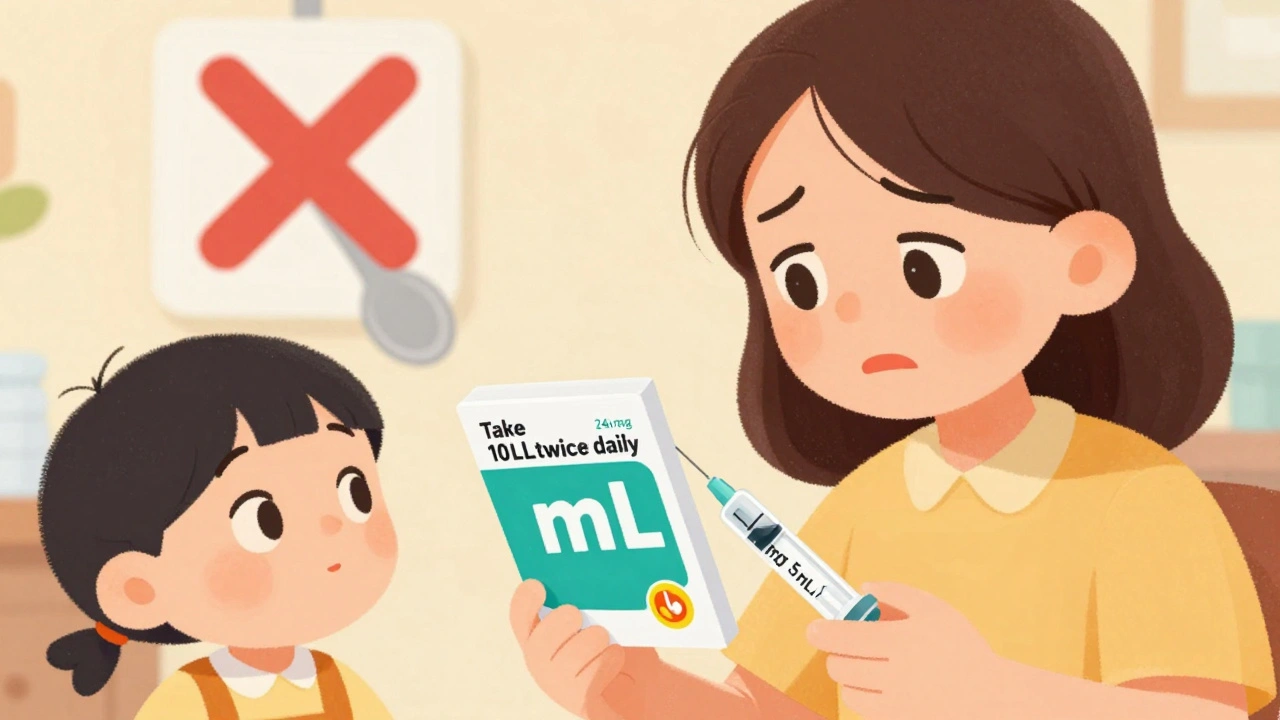
How to Read Dose Measurements on Liquid Prescription Labels
Learn how to safely read liquid prescription labels by focusing on milliliter measurements, concentration, decimal formatting, and proper dosing tools. Avoid common mistakes that lead to dangerous overdoses or underdoses.
View More
© 2026. All rights reserved.