Pharmacy Inventory: What It Is, Why It Matters, and How It Keeps You Safe
When you walk into a pharmacy and ask for your prescription, you’re not just getting a pill—you’re relying on a complex system called pharmacy inventory, the organized tracking and storage of all medications and supplies a pharmacy holds to meet patient needs. Also known as drug stock management, it’s the quiet backbone of every prescription you fill. Without it, pharmacies would run out of metformin the day after a new diabetes diagnosis, or stock too many expired antibiotics that do more harm than good.
Pharmacy inventory isn’t just about counting bottles. It’s a living system that balances supply and demand, tracks recalls, prevents shortages, and ensures generics are available at the lowest possible price. For example, when the FDA changed its approval process in 2023 to prioritize U.S.-made generics, it directly impacted how pharmacies manage their generic drug supply, the stock of FDA-approved medications that cost up to 80% less than brand-name versions. This shift meant pharmacies had to reorganize their inventory to prioritize new, domestically produced versions over imported ones—protecting patients from global supply chain breaks. Meanwhile, pharmacy operations, the daily processes that keep a pharmacy running, from receiving shipments to verifying lot numbers depend entirely on accurate inventory. One wrong lot number on a recalled drug can lead to dangerous mix-ups, which is why posts on this site show how to verify recall notices and match lot numbers like a pro.
And it’s not just about big drugs. Pharmacy inventory includes everything from hearing aid batteries and insulin pens to liquid pediatric doses and St. John’s Wort supplements. That’s why you’ll find posts here on how to read liquid prescription labels correctly, why some patients pay more for generics due to PBM negotiations, and how copay cards can backfire if inventory systems don’t track them properly. Even something as simple as organizing a medication list for caregivers ties back to inventory—because if your parent’s pills aren’t tracked, someone might double-dose or miss a critical one.
Pharmacy inventory doesn’t just keep shelves full. It keeps people alive. When metformin doses need adjusting based on kidney function, or when a patient needs a specific antibiotic like cephalexin because another one caused a reaction, the right drug has to be there—right now. That’s the power of good inventory. It’s not flashy. It doesn’t make headlines. But when it fails, lives are at risk.
Below, you’ll find real-world examples of how inventory decisions ripple through every part of your care—from the cost of your generics to the safety of your prescriptions. These aren’t theory pieces. They’re lessons from the front lines of pharmacies, hospitals, and patient homes. Whether you’re a patient, caregiver, or just curious, what you’ll find here is how the invisible system behind your medicine actually works—and how to make sure it works for you.
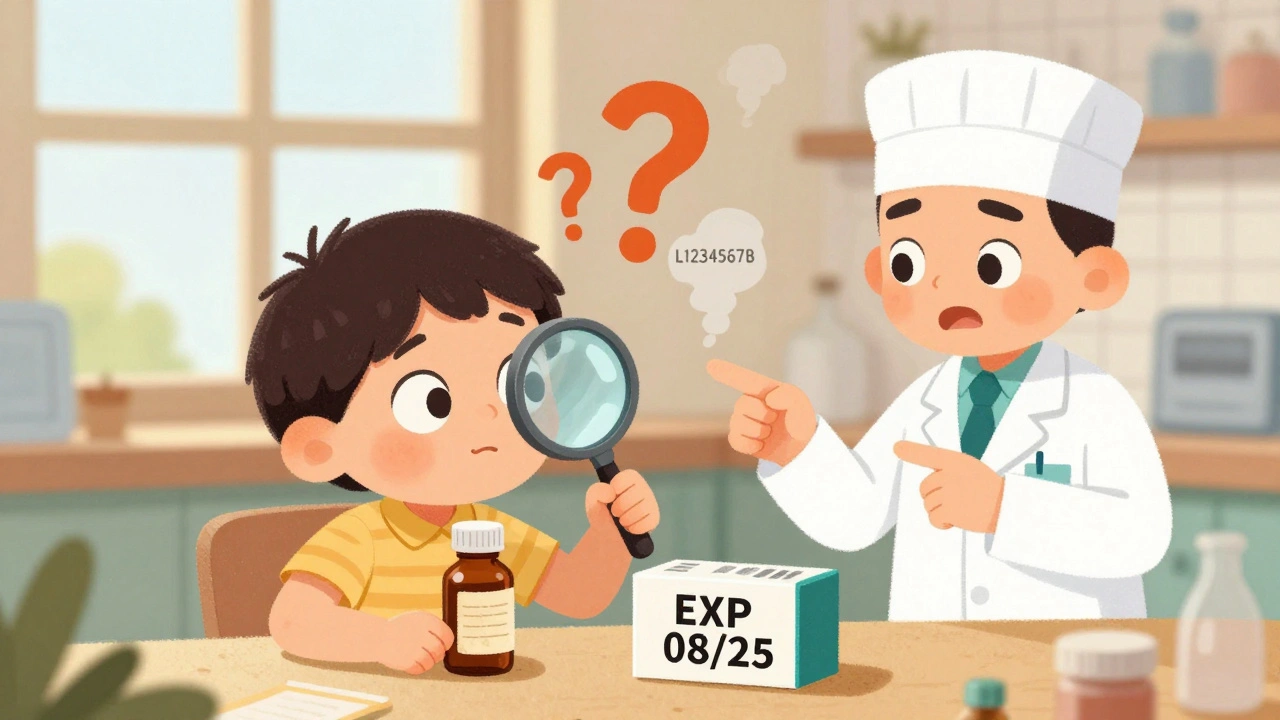
How to Check Lot Numbers and Recalls When Clearing Expired Medications
Learn how to safely clear expired medications by checking expiration dates and recalling dangerous batches. Never guess-always read the label and verify lot numbers with FDA databases.
View More
© 2026. All rights reserved.