Pregnancy Pillows: What They Are, How They Help, and What to Look For
When your body changes during pregnancy, finding a comfortable sleep position becomes harder—pregnancy pillows, specialized cushions designed to support the pregnant body during sleep. Also known as maternity pillows, these aren’t just fancy blankets—they’re engineered to reduce pressure on your lower back, hips, and belly as your center of gravity shifts. Many women start using them in the second trimester, when lying on the stomach becomes impossible and sleeping on the back starts causing dizziness or shortness of breath.
Pregnancy support, the practice of using physical aids to relieve strain from pregnancy-related changes isn’t just about comfort. Studies show that better sleep during pregnancy reduces stress, lowers the risk of preeclampsia, and even improves labor outcomes. That’s why prenatal comfort, the state of physical ease achieved through targeted support during pregnancy matters more than most people realize. A good pregnancy pillow doesn’t just prop you up—it helps align your spine, takes weight off your pelvis, and keeps your hips stable so you don’t wake up with sharp pains.
Not all pregnancy pillows are the same. Some are full-body C-shaped, wrapping around you from head to knees. Others are U-shaped, giving you support on both sides. Then there are wedge pillows, small but mighty, perfect for propping up your belly or elevating your legs. The right one depends on your sleep style, how far along you are, and what hurts the most. If your hips ache, you’ll want something that fills the gap between your knees. If your back feels heavy, you need a pillow that lifts your belly without pushing it forward.
What you’re really looking for is something that works with your body, not against it. A pillow that’s too stiff won’t conform to your curves. One that’s too soft won’t give you enough lift. And if it’s too big, you’ll struggle to turn over or fit it on your bed. Look for removable, washable covers—because let’s be honest, you’ll need them. Memory foam offers structure, while polyester fiberfill gives you a softer, fluffier feel. Neither is better—just different.
And it’s not just about sleeping. Many women use pregnancy pillows to sit upright while breastfeeding, to prop up their legs during long car rides, or even to ease heartburn by elevating the upper body. That’s why pregnancy sleep aids, devices or tools specifically designed to improve rest and reduce discomfort during pregnancy are more versatile than they seem. You’re not buying a pillow—you’re buying a tool for better days and calmer nights.
There’s no magic formula. What works for one person might feel awkward to another. But the goal is simple: less pain, more rest, and fewer sleepless nights. The right pregnancy pillow doesn’t solve every problem—but it takes the edge off the biggest ones. And when you’re tired, achy, and carrying extra weight, that edge matters more than you think.
Below, you’ll find real advice from people who’ve been there—tips on choosing the right shape, avoiding common mistakes, and using these pillows beyond just bedtime. No fluff. No marketing hype. Just what actually helps.
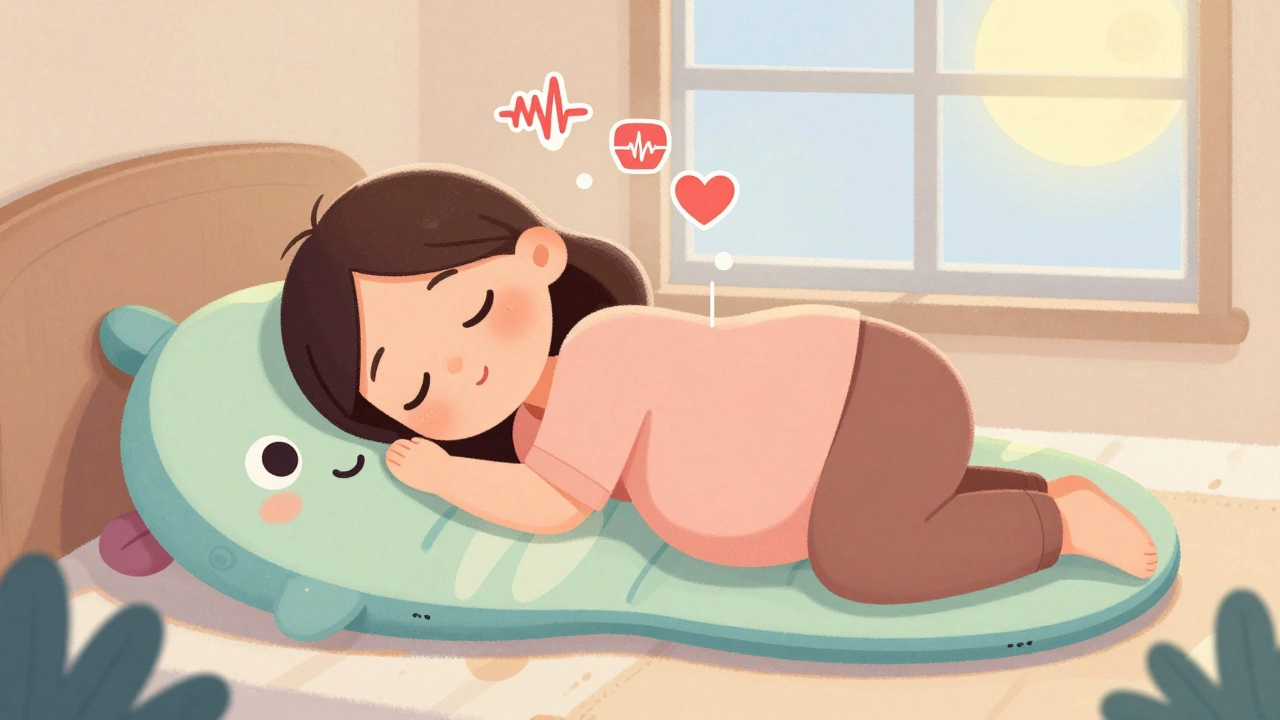
Pregnancy and Sleep: How to Manage Apnea, Reflux, and Positioning for Better Rest
Learn how to manage sleep apnea, reflux, and positioning during pregnancy to improve rest and protect your health and your baby’s. Evidence-based tips on CPAP, pregnancy pillows, and sleep habits.
View More
© 2026. All rights reserved.