Prescription Drug Costs: Why Prices Are High and How to Save
When you pick up a prescription, the price tag often feels random—sometimes it’s $5, sometimes it’s $500. That’s because prescription drug costs, the amount patients pay for medications prescribed by doctors aren’t set by doctors, pharmacies, or even drug makers alone. They’re shaped by hidden middlemen called PBMs, pharmacy benefit managers that negotiate drug prices between insurers and pharmacies, by insurance formularies that push certain drugs over others, and by practices like spread pricing that make you pay more than the actual cost of the drug. Even when you’re insured, you’re often paying more than someone buying the same pill cash at a discount pharmacy.
This isn’t just about big pharma profits. It’s about how generic medications, lower-cost versions of brand-name drugs that work the same way are treated. You’d think generics would fix everything, and they do—when they’re actually available. But authorized generics, where the brand-name company sells its own cheap version right after the patent expires, block real competition. And even when generics are on the market, insurers often don’t pass the savings to you. That’s why switching to generics can save you thousands over time, but only if you know how to ask for them and check your pharmacy’s cash price first.
Then there’s the real kicker: your insurance might be working against you. Copay cards can slash your monthly bill, but many plans now use accumulator programs that don’t count those savings toward your deductible. So when the card runs out, you’re stuck paying full price. And if you’re on a chronic medication, that means your out-of-pocket costs could jump overnight. The same goes for drug pricing, how much a medication is charged at the pharmacy counter—it’s not the same across pharmacies, and it’s rarely transparent. A pill that costs $120 at your usual pharmacy might be $25 at a warehouse club if you pay cash.
The system is broken, but you’re not powerless. You can compare prices, ask for generics, request cash discounts, and even challenge your insurer if a drug you need isn’t covered. The posts below show you exactly how to do that—whether you’re managing diabetes with metformin, treating seizures with Keppra, or just trying to afford your blood pressure pill. You’ll see how PBMs manipulate prices, why some generics cost more than others, how to spot a recall, and what to do when your copay card disappears. No fluff. No jargon. Just what actually works when you’re trying to keep your health—and your wallet—intact.
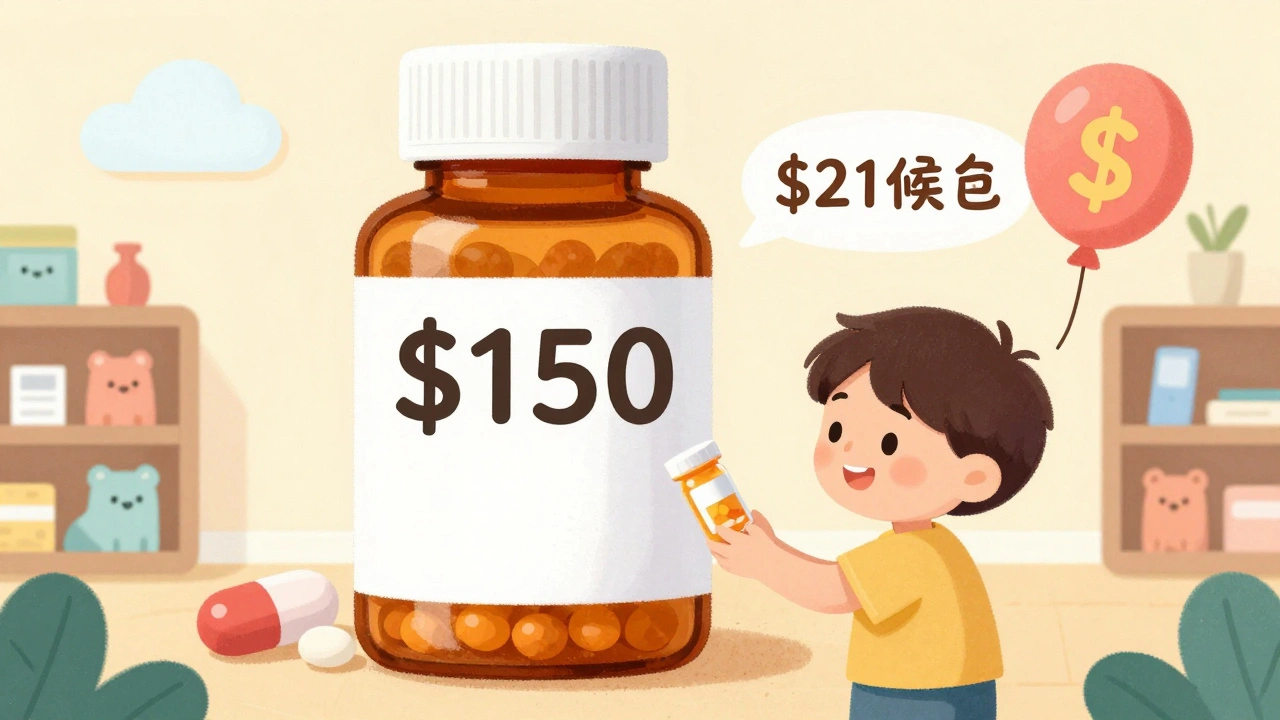
Generic Drug Savings: Real Numbers and National Statistics
Generic drugs saved the U.S. healthcare system $467 billion in 2024 alone. Discover the real numbers behind prescription savings, how generics cut costs by up to 80%, and why brand-name drugs keep rising in price.
View More
© 2026. All rights reserved.