Prescription Label: What You Need to Know About Drug Info, Safety, and Compliance
When you pick up a prescription, the prescription label, the printed sheet attached to your medicine bottle that tells you exactly how, when, and why to take the drug. Also known as pharmacy label, it's your primary guide for safe medication use—and the only legal record of what your doctor ordered. Most people glance at it once and stash the bottle away. That’s a mistake. A single misread instruction can lead to overdose, dangerous interactions, or treatment failure. The prescription label isn’t just paperwork—it’s your personal safety checklist.
Behind every line on that label is a system designed to protect you. The drug name, dosage, and frequency are controlled by federal rules. The pharmacy’s contact info? Required for questions. The warning about alcohol or grapefruit? Based on real, documented interactions. The lot number? Critical if there’s a recall. And the prescriber’s name? That’s how you trace back if something goes wrong. These aren’t random details—they’re part of a chain of accountability. If you’re on multiple meds, the medication safety, the practice of using drugs correctly to avoid harm depends entirely on how well you read and follow each label. Misreading "take with food" as "take after food" can cut effectiveness in half. Confusing "every 8 hours" with "three times a day" can spike your risk of side effects. Even small errors add up.
The drug instructions, the specific directions on how to take a medication, including timing, food interactions, and storage on your label are often the difference between recovery and hospitalization. Take metformin: if the label says "take with meals" and you skip that, you’re more likely to get stomach upset. Or look at antibiotics like Keflex—if you stop early because you feel better, you risk creating drug-resistant bacteria. The pharmacy labeling, the standardized format and content requirements set by regulatory agencies for medication containers exists to prevent exactly those mistakes. But it only works if you treat it like a life-saving document, not a disposable receipt.
And then there’s prescription compliance, the act of following your prescribed medication plan exactly as directed. Studies show nearly half of people don’t take their meds right. Some forget. Some skip doses because of cost. Others ignore warnings because they think they know better. But when your label says "do not crush," "keep refrigerated," or "avoid sunlight," there’s a reason. That’s not a suggestion—it’s science. The FDA and pharmacists don’t write those lines lightly. They’ve seen what happens when people ignore them.
You’ll find real examples of this in the posts below. From how to verify a drug recall using the lot number on your label, to why generic versions must carry the same warnings as brand names, to how caregivers use medication lists to double-check every label for seniors. We cover how insurers and PBMs affect what info ends up on that label, how misprinted labels lead to errors, and why even small differences in wording—like "take once daily" vs. "take every 24 hours"—can matter. These aren’t theoretical concerns. People get hurt because they didn’t read the label. Or worse, they thought they did.
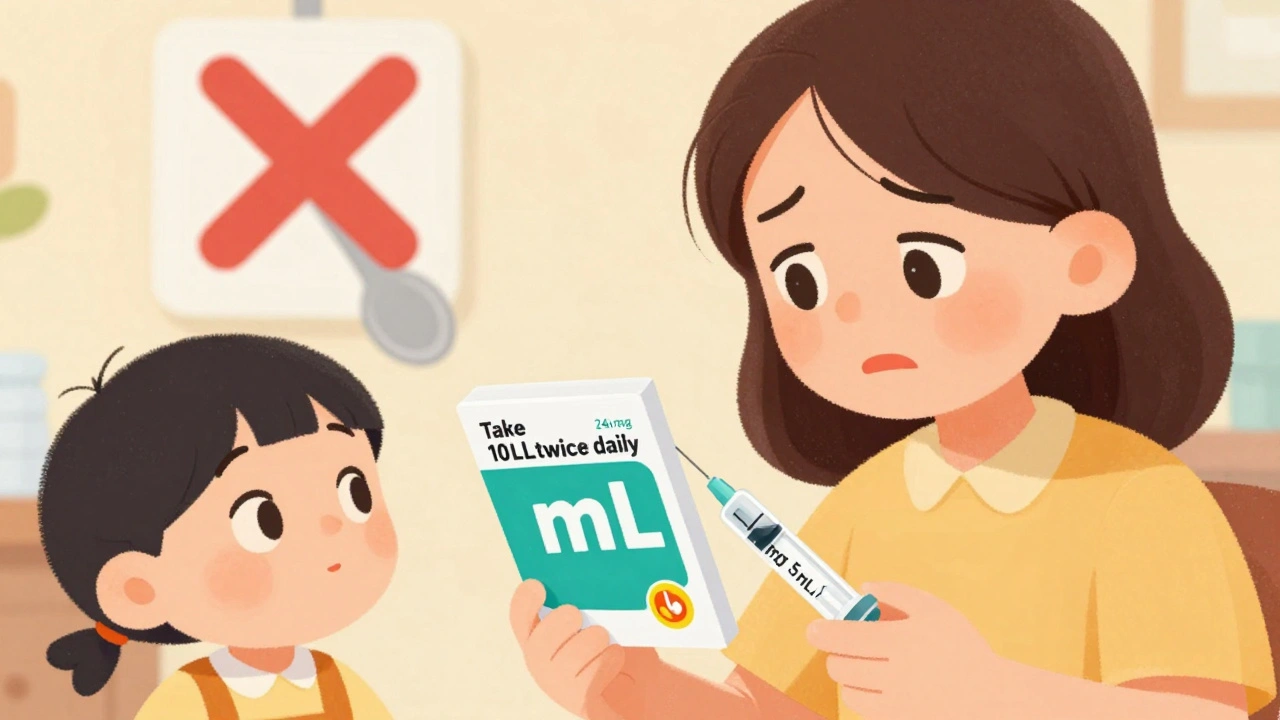
How to Read Dose Measurements on Liquid Prescription Labels
Learn how to safely read liquid prescription labels by focusing on milliliter measurements, concentration, decimal formatting, and proper dosing tools. Avoid common mistakes that lead to dangerous overdoses or underdoses.
View More
© 2026. All rights reserved.