Restless Legs Syndrome: Causes, Treatments, and What Works
When your legs feel like they’re crawling, tingling, or aching—especially when you’re trying to rest—you’re not just being fussy. You might have restless legs syndrome, a neurological disorder that creates an irresistible urge to move the legs, often worsening at night and disrupting sleep. Also known as Willis-Ekbom disease, it’s not just discomfort—it’s a real condition that affects millions, often going misdiagnosed as simple restlessness or stress. This isn’t something you can just shake off. People with RLS describe it as a deep, internal pull, like their legs are being tugged from the inside. It hits hardest when you’re still—sitting in a movie theater, lying in bed, or on a long flight.
What causes it? The brain’s dopamine system plays a big role. dopamine imbalance, a disruption in the brain’s signaling chemical that controls movement and reward is a key player. Low iron levels in the brain also link directly to RLS—many people with the condition have normal blood iron but low brain iron stores, which standard blood tests won’t catch. It’s also common in people with kidney disease, pregnancy, or peripheral neuropathy. And yes, it runs in families. If your parent had it, your chances go up significantly.
Most treatments focus on managing symptoms, not curing them. Some people find relief with simple lifestyle changes: cutting caffeine, avoiding alcohol, walking before bed, or using a heating pad. But for many, that’s not enough. Doctors often turn to medications that boost dopamine, like ropinirole or pramipexole, or drugs used for seizures like gabapentin. Iron supplements can help—if your levels are truly low. But here’s the catch: not all meds work for everyone. Some cause nausea, dizziness, or even worsen symptoms over time. That’s why knowing your triggers matters more than just popping pills.
What you’ll find below isn’t a list of random articles. These are real, practical comparisons and insights from people who’ve lived with RLS—or treated others who have. You’ll see how it connects to other neurological conditions like ataxia and seizures, how drug interactions can make it worse, and what alternatives actually work when standard options fail. No fluff. No guesswork. Just what helps, what doesn’t, and why.

Restless Legs and Iron: What Ferritin Levels Mean and How to Fix Them
Low ferritin levels are a common but overlooked cause of Restless Legs Syndrome. Discover the target ferritin range, how iron supplements work, and why IV iron may be more effective than dopamine drugs for long-term relief.
View More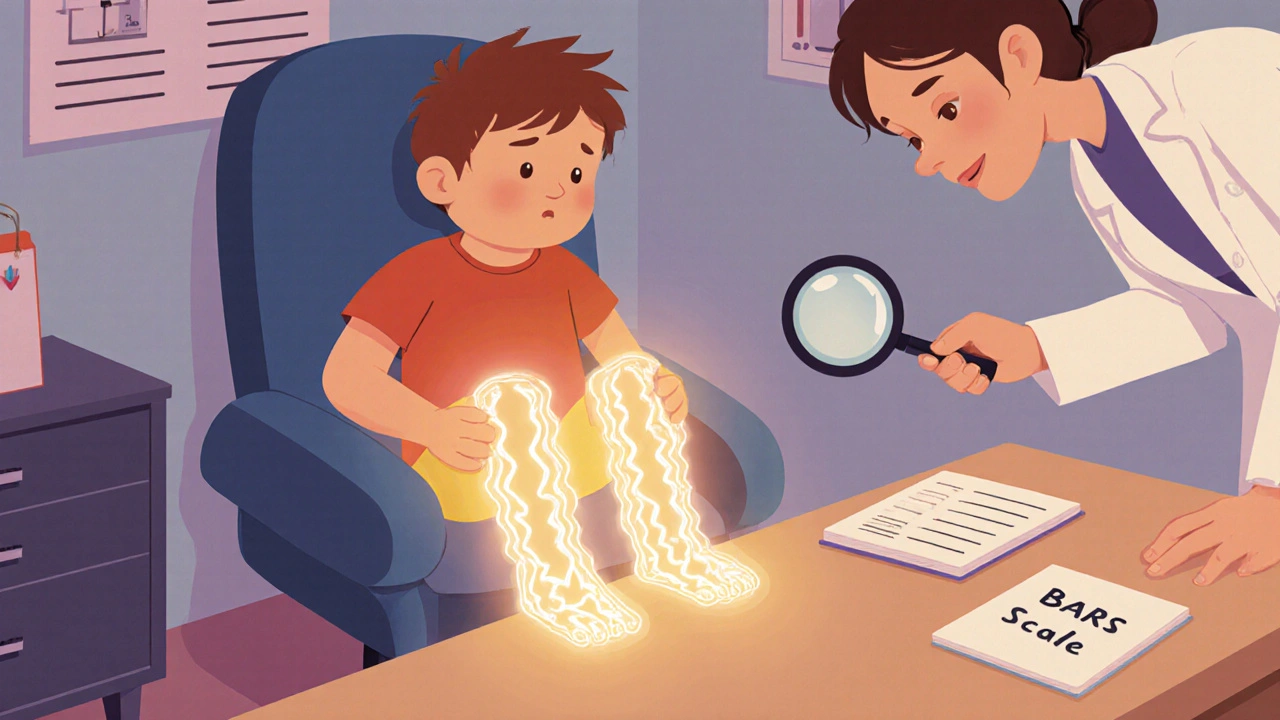
Restless Legs and Akathisia from Medications: How to Tell Them Apart and What to Do
Learn how to tell apart medication-induced akathisia and restless legs syndrome, why misdiagnosis is dangerous, and what treatments actually work-backed by clinical evidence and patient experiences.
View More
© 2026. All rights reserved.