Sleep Apnea During Pregnancy
When you're pregnant, your body changes in ways you can't always control—and one of the most overlooked is sleep apnea during pregnancy, a condition where breathing repeatedly stops and starts during sleep, often due to airway blockage. It's not just about being tired; it's a medical issue that can raise your risk of preeclampsia, gestational diabetes, and low birth weight. Many women think snoring or fatigue is just part of being pregnant, but if you wake up gasping, feel exhausted even after eight hours, or your partner notices you stop breathing at night, it's not normal.
obstructive sleep apnea, the most common type, happens when throat muscles relax too much and block airflow. Pregnancy increases this risk because of weight gain, fluid retention, and hormonal shifts that swell tissues in your airway. prenatal health, especially in the third trimester, depends heavily on restful sleep. Poor sleep doesn’t just make you irritable—it can spike blood pressure, reduce oxygen to the placenta, and even trigger early labor.
What’s often missed is that sleep apnea during pregnancy can be managed without dangerous meds. Simple changes like sleeping on your side, using a nasal strip, or losing excess weight can help. Some women need a CPAP machine, and it’s completely safe during pregnancy—no surgery, no risky drugs. Doctors don’t always screen for it, so if you’re struggling, speak up. You’re not just sleeping poorly—you’re protecting your baby’s future.
Below, you’ll find real, practical advice from women who’ve been there, along with science-backed tips on how to recognize the signs early, what tests to ask for, and how to get the right support without feeling overwhelmed. This isn’t about guessing—it’s about knowing what to do next.
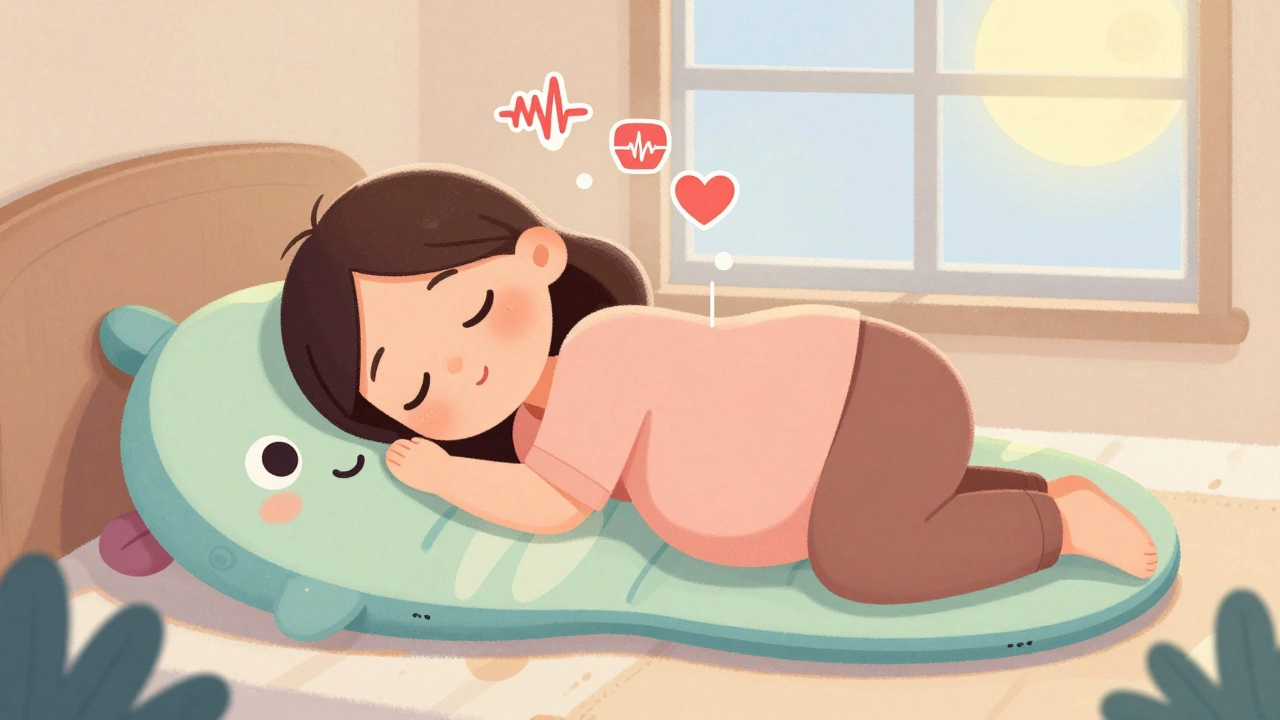
Pregnancy and Sleep: How to Manage Apnea, Reflux, and Positioning for Better Rest
Learn how to manage sleep apnea, reflux, and positioning during pregnancy to improve rest and protect your health and your baby’s. Evidence-based tips on CPAP, pregnancy pillows, and sleep habits.
View More
© 2026. All rights reserved.