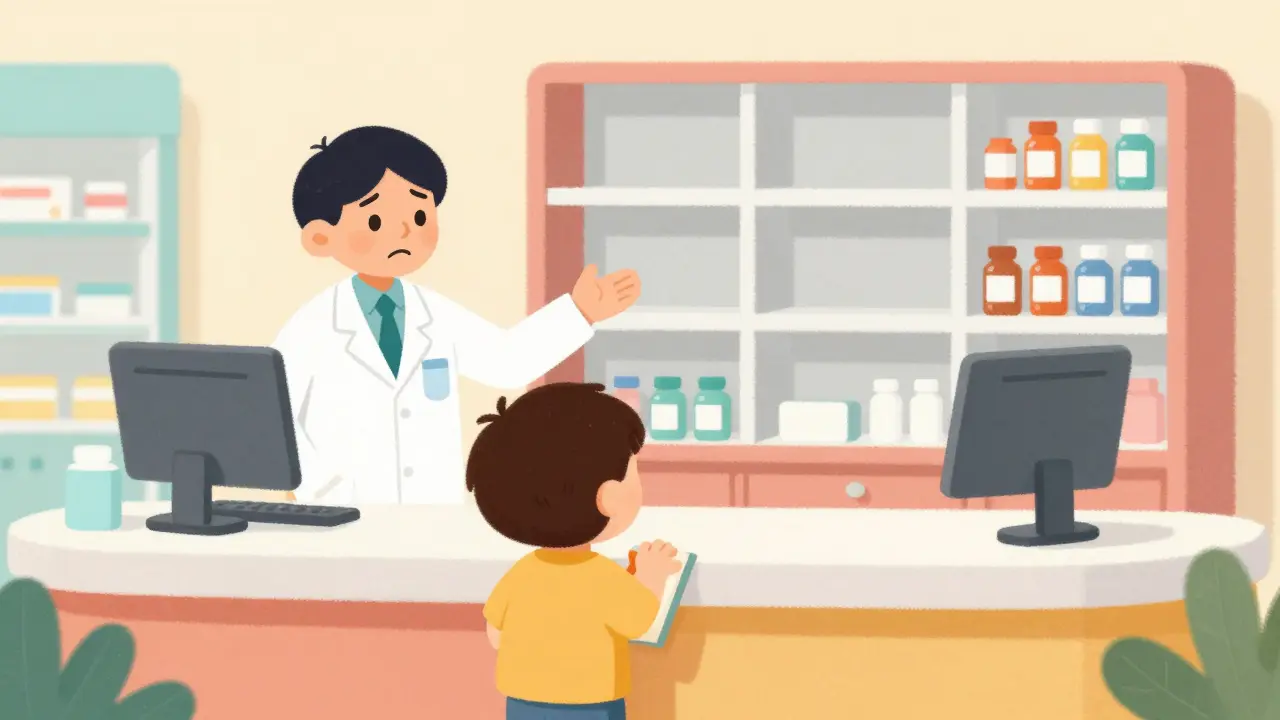
You go to the pharmacy to pick up a routine prescription, only to be told the medication is on backorder. You're not alone. While generic drug shortages is a systemic failure where essential non-branded medications become unavailable due to manufacturing and economic hurdles, it's a problem that hits millions of people every year. It seems strange that in an era of high-tech medicine, we can't keep basic pills on the shelves. The reality is that the system designed to make medicine affordable has actually made it fragile.
The Hidden Cost of Cheap Medicine
Generic drugs make up about 90% of all prescriptions filled in the U.S., yet they only account for roughly 20% of total drug spending. On the surface, that sounds like a win for the consumer. However, this massive gap creates a "race to the bottom." When Pharmacy Benefit Managers (PBMs) and Group Purchasing Organizations (GPOs) award multi-million dollar contracts based on fractions of a cent per tablet, profit margins vanish. For many generic makers, margins hover around 15-20%, and some even dip below 5%.
When the profit is that thin, there is no room for error. If a manufacturer has a bad batch or a machine breaks, they can't afford to simply throw away the product and start over. This economic instability means companies often operate with the bare minimum. When a company like Akorn Pharmaceuticals goes bankrupt, it doesn't just affect their shareholders; it creates an immediate void in the market because there are so few other players willing to produce the drug at such low prices.
The Geography of Risk: Where Your Pills Actually Come From
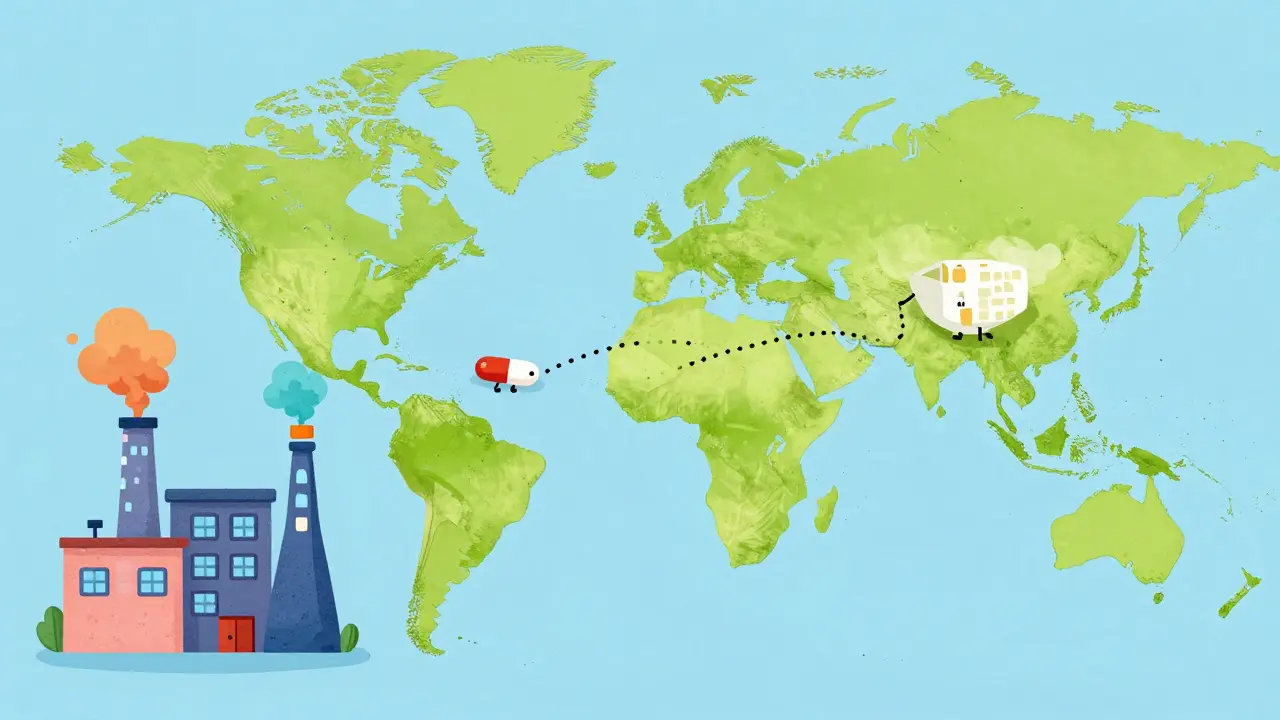
One of the biggest reasons for these shortages is where the ingredients are made. Most generics rely on Active Pharmaceutical Ingredients (APIs), which are the actual chemicals that make the drug work. The problem is that the U.S. has outsourced this production. According to FDA data, 72% of API facilities approved for U.S. drugs are outside the country. Even more alarming? About 97% of antibiotics and 92% of antivirals have no domestic API source at all.
This creates a precarious dependency on countries like India and China. During the early 2020s, we saw exactly how this breaks. When India halted exports of 26 essential medicines, including acetaminophen, the supply chain snapped. When you have 50% of contract manufacturing concentrated in a few regions, a single local lockdown or regulatory crackdown in one province can trigger a global shortage.
| Feature | Branded Drugs | Generic Drugs |
|---|---|---|
| Average Gross Margins | 70-80% | 15-20% (sometimes <5%) |
| Supply Chain Structure | Robust, usually single-source | Fragmented, multi-national |
| Investment Capability | High (can afford new tech) | Low (razor-thin margins) |
| Market Stability | High (protected by patents) | Low (high price volatility) |
Outdated Tech and the "Batch" Problem
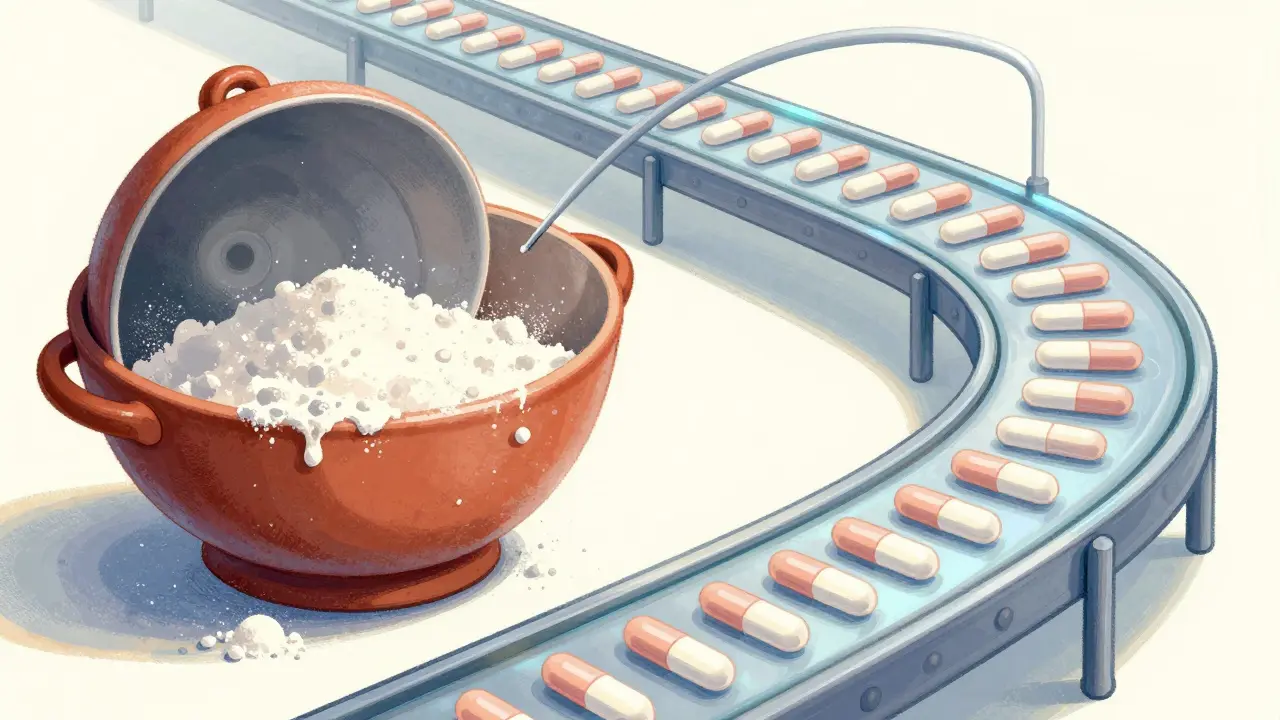
Most generics are still made using "batch manufacturing." Imagine baking a giant cake: if you realize halfway through that you used salt instead of sugar, the entire batch is ruined. To fix this, the industry needs Continuous Manufacturing, a process that monitors quality in real-time and allows for constant production.
The catch? Continuous manufacturing requires massive upfront capital. A new FDA-compliant facility in the U.S. can cost between $250 million and $500 million. For a company fighting for a contract that differs by a tenth of a cent per pill, that investment is impossible. Consequently, the industry sticks to old, clunky methods that are more prone to failure and quality lapses. When the FDA finds "systematic quality problems" at a plant-as they did with cisplatin at Intas Pharmaceuticals-the drug is pulled, and patients are left without options.
The Regulatory Tightrope
Keeping up with the FDA is an expensive game of endurance. For a generic maker, a single "Form 483" (which lists inspection deficiencies) can be a financial disaster. Fixing these issues can take 12 to 18 months and cost an average of $1.7 million per facility.
Because the cost of compliance is so high in the U.S., it further pushes manufacturing toward countries with "streamlined" (and often less strict) processes. This creates a dangerous loop: we outsource to save money, which leads to lower quality control, which leads to more FDA recalls, which leads to more shortages. It's a cycle that rewards the lowest price rather than the most reliable supply.
Real-World Fallout: From Pharmacy Counters to Hospital Beds
This isn't just an economic theory; it's a daily struggle for healthcare workers. Pharmacists often find themselves playing a game of "musical chairs" with medications, switching patients to alternative antibiotics or thyroid medications like levothyroxine because the primary choice is gone. For patients, the impact is often financial. When a generic disappears, some are forced to switch to a branded version. In one documented case, a Medicare beneficiary saw their monthly heart medication cost jump from $10 to $450 because the generic version vanished from the market.
There's also a safety concern. Some data suggests that generics made in certain foreign facilities are associated with more serious adverse events compared to U.S.-made versions. While it's hard to prove a direct cause, the correlation points to the dangers of a supply chain where quality is sacrificed for cost.
What Can Actually Fix This?
Asking manufacturers to "just make more" doesn't work because there is no profit incentive to do so. Real stability would require a shift in how we buy medicine. Some hospitals are already bypassing GPOs to sign direct contracts with manufacturers, providing more stability and predictable pricing.
On a larger scale, we need incentives for domestic API production. Bipartisan legislation has been discussed to provide tax breaks for companies that bring the chemical manufacturing process back to the U.S. Additionally, the FDA's Emerging Technology Program is trying to push continuous manufacturing, but it currently represents less than 3% of production. Until the market rewards reliability over the absolute lowest price, we will likely continue to see at least 15 major drug shortages every year.
Why are generic drugs so much cheaper than branded ones?
Generic drugs don't require the massive R&D investment that original branded drugs do. Once a patent expires, other companies can use the same formula. Because multiple companies then compete to sell the same drug, the price drops significantly to attract buyers.
Does a drug shortage mean the drug is gone forever?
Usually not. Shortages are often temporary, caused by a factory shutdown, a raw material shortage (API), or a sudden spike in demand. However, some "chronic" shortages persist for years if the drug is not profitable enough for companies to invest in new production lines.
What is an API and why does it matter?
API stands for Active Pharmaceutical Ingredient. It is the specific chemical in a drug that treats the condition. If the company that makes the API has a quality failure or a geopolitical disruption, every generic manufacturer using that ingredient will experience a shortage, regardless of where the final pill is pressed.
Are generic drugs less safe than branded ones?
By law, generics must be bioequivalent to branded drugs. However, when manufacturing is outsourced to facilities with less oversight, quality consistency can vary. This is why regulatory inspections by the FDA are critical to ensuring that the generic version is as safe and effective as the original.
What should I do if my generic medication is unavailable?
First, talk to your pharmacist to see if there is an alternative generic or a different dosage that can be split. Then, consult your doctor about switching to a therapeutic alternative-a different drug that treats the same condition. Avoid buying medications from unverified online sources during a shortage.