
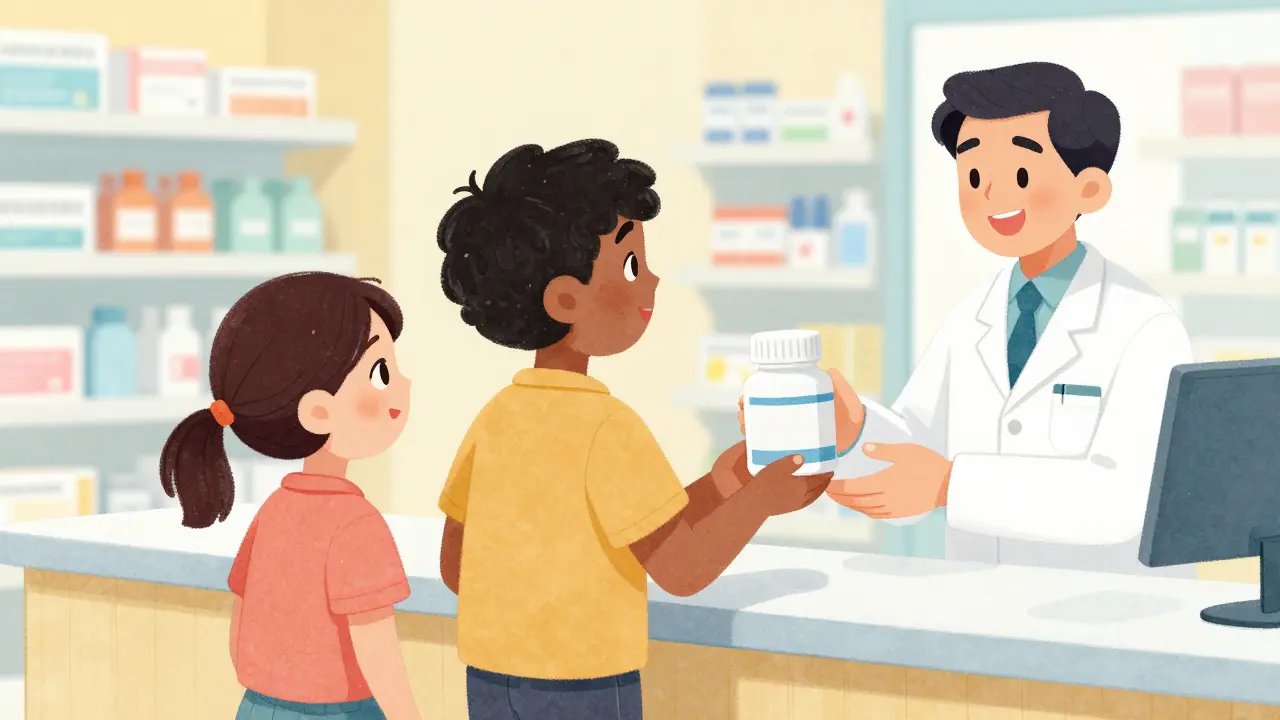
Imagine walking out of the pharmacy with a new pill bottle, feeling ready to recover, only to discover later the label was printed for someone else entirely. It sounds like a movie plot, but medication labeling discrepancies happen more often than you might think. In fact, safety researchers estimate that millions of patients experience some form of medication error every year, and many of these could be stopped right at the counter. Checking your prescription label isn't just bureaucratic busywork; it is your personal safety checkpoint. When you verify the name, the drug, and the instructions on that little piece of paper stuck to the plastic bottle, you become an active partner in your healthcare.
Why Verifying Your Prescription Label Matters
Medication Safety involves ensuring patients receive the correct treatment without harm. Experts in patient safety have long noted that the moment you pick up a prescription is one of the last opportunities to catch a mistake before you ingest anything. A major study published in the Journal of the American Pharmacists Association demonstrated that when patients actively verify their own labels, the likelihood of taking the wrong medication drops significantly. We aren't just talking about typos here. Errors can range from a misspelled name-which might mean the billing goes to the wrong account-to life-threatening dosage mistakes. For example, getting 5 milligrams instead of 50 milligrams of a potent sedative changes everything. Or, in reverse, receiving a high dose meant for a hospital setting instead of a home dose.The consequences of skipping this check go beyond minor inconveniences. You might experience unexpected side effects, waste money on a medication you don't need, or fail to treat your actual condition because the doctor prescribed something different than what landed in the bag. Regulatory bodies like the FDA and health alliances such as the Joint Commission now consider patient verification a standard part of safe care. It's not enough for the pharmacist to be right; the system works best when you double-check. By taking thirty seconds to read the label, you are building a critical defense layer between yourself and potential harm.
What Must Appear on Every Label
| Element | What to Look For |
|---|---|
| Patient Name | Your full legal name exactly as given to the pharmacy. |
| Medication Name | Both brand and generic names should be clear. |
| Strength & Form | Dosage amount (e.g., 500 mg) and type (tablet, liquid). |
| Directions | Clear instructions like "Take one tablet daily". |
| Prescriber & Pharmacy | Doctor's name and pharmacy contact details. |
Step-by-Step Verification Process
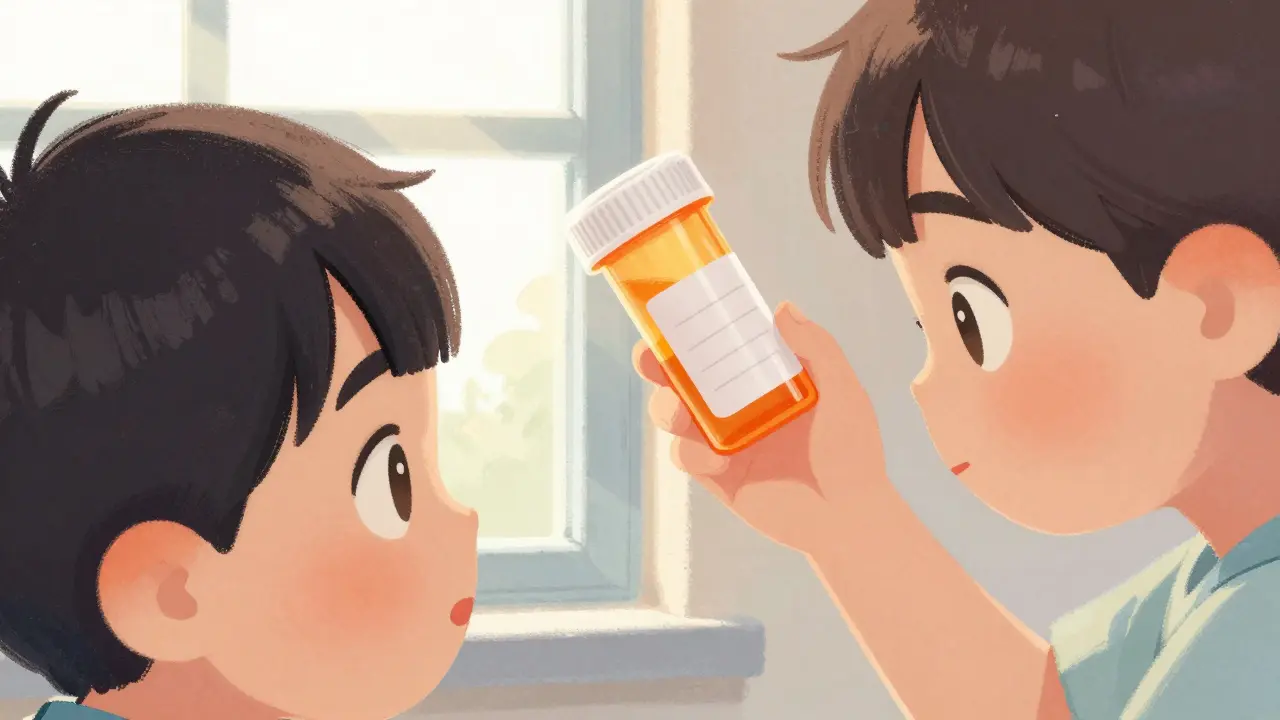
You don't need to be a medical professional to perform this check. It is a quick routine that takes less than a minute if you are prepared. Start by doing this right at the pickup counter if possible. While some people wait until they get home, catching an error at the pharmacy means they can fix it immediately. If you wait until you are at home, you have to drive back and forth, delaying your treatment.
Follow these steps to conduct a thorough check:
- Find Good Lighting: Do not squint under dim shop lights. Step outside or move to a window. Clear visibility is crucial because small fonts are often used due to limited space.
- Confirm Identity: Look for your full name first. Does it match your ID? Check for middle initials that you use regularly. If you see a name you don't recognize, stop immediately.
- Match the Drug: Think back to your appointment. Did the doctor say "Amoxicillin"? Check the label for "Amoxicillin." If you see a different antibiotic, ask the pharmacist right then.
- Verify the Strength: Read the numbers carefully. Is it 5 mg or 50 mg? Is it 10 mcg or 10 mg? Tiny letter size makes 'c' and 'l' look similar. Double-check units of measurement.
- Read the Directions: Can you read the instructions without guessing? They should be plain language, not medical codes. "Sig: qid" is harder to understand than "Take four times daily."
- Check Contact Info: Make sure the phone number on the label belongs to the place where you picked it up. This ensures you can call them if you have a question later.
This manual method remains the gold standard. While apps exist to scan barcodes and help identify pills, nothing replaces the visual confirmation of the printed paper label. Studies suggest that relying solely on technology without reading the text can lead to missed nuances, especially for complex regimens where multiple medications interact. Using your eyes is the most direct way to connect what your doctor said to what is in the bottle.
Troubleshooting Common Issues
Even with the best intentions, labels can be tricky. Small print is the biggest enemy. If you find yourself struggling to read the text, do not force your eyes. This is a sign you need assistance. Over 30% of adults over age 50 report difficulty reading prescription labels due to font size. This is why asking for a large-print version is important. Most pharmacies are willing to reprint a label with bigger text if you request it. They prefer this to you taking the wrong dose.
Confusing names is another hurdle. Two different heart medications might start with "Hydro". Visually similar bottles can also be swapped. If you have multiple medications from the same doctor, organize them by color or shape if the pharmacy uses distinct packaging. You can ask the pharmacist to put a sticker on the cap indicating the purpose, such as "Morning Pill" or "Allergy Med," to reinforce the label information. Remember, if the label says one thing and the pill looks like something else, always ask before swallowing. If the pill shape or color differs from previous refills, even by a slight shade, inquiry is the safest path.
Another issue involves abbreviations. Older labeling sometimes uses shorthand that isn't universal anymore. If you see "po" or "tid" and don't know what that means, do not guess. Ask the pharmacist to translate it into plain English. They are there to ensure you understand your regimen fully.
Handling Mistakes Gracefully
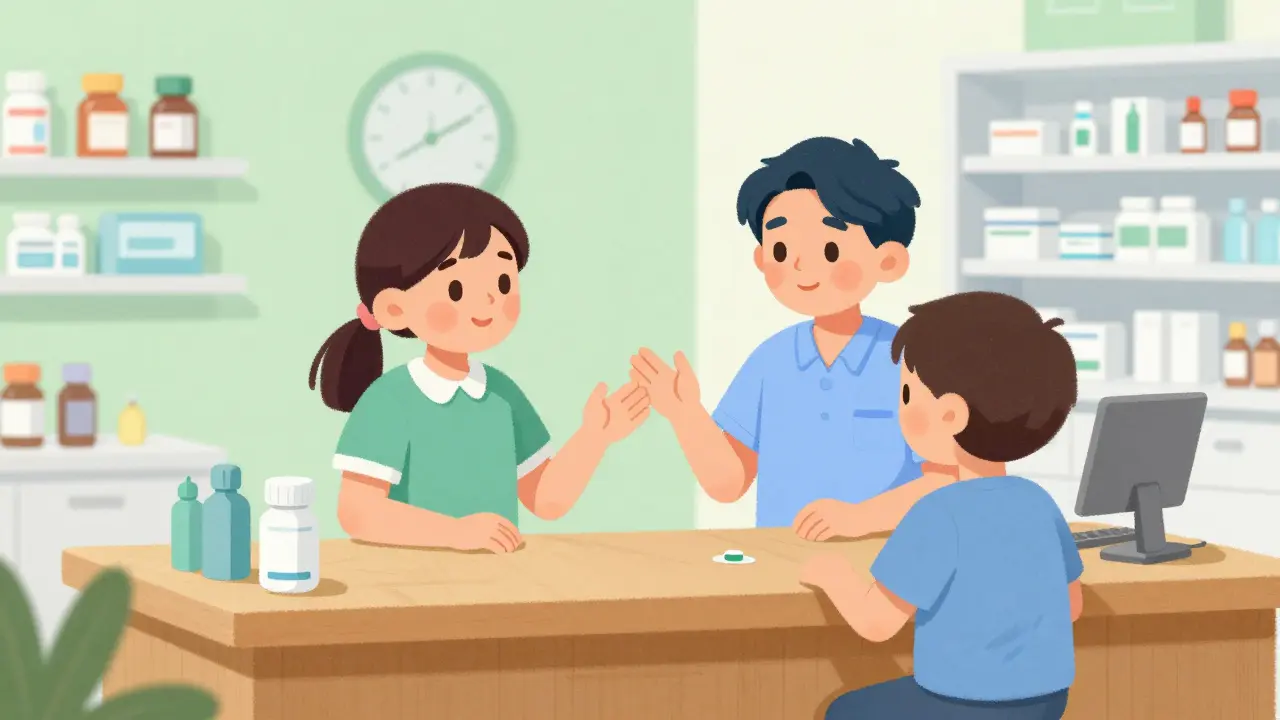
If you find an error, how you handle it matters. Don't assume it is your fault. Pharmacists appreciate patients who double-check because it keeps everyone safe. Speak calmly and present the discrepancy. Say, "My doctor wrote 50mg, but this says 5mg. Could we please check my script?" This approach avoids confrontation and opens a collaborative dialogue. Often, it turns out the doctor changed the dose and didn't inform you, or it was a genuine printing error. Either way, correcting it protects your health. If the pharmacy admits the error, they will usually offer to refill the correct medication or provide a discount on the next visit.
In rare cases, you might realize the error after leaving the store. Contact the pharmacy immediately. Have your prescription number ready. They may track the medication lot numbers to ensure no others were affected. Keeping your receipts and the empty bottles is good practice, too. Having the original label serves as proof of what was dispensed should you need to discuss adverse reactions with your doctor later.
The Role of Technology in Safety
While human eyes are essential, technology is increasingly supporting safety. Modern pharmacy software generates unique National Drug Codes (NDC) for every product. These numbers are hidden behind the scenes but allow for precise tracking. Some digital health platforms now let you scan a barcode to instantly pull up drug leaflets and warnings. Apps like Medisafe can sync with your pharmacy to remind you of interactions. However, these are supplements. The primary safety net remains the printed label verification you perform with your own eyes.
What if the name on the label is slightly misspelled?
If your name is misspelled, return to the pharmacy for a correction. Insurance claims might get rejected because of this, and more importantly, it creates a record risk. Correct spelling ensures continuity of care and accurate billing.
Can I trust the pharmacist without checking the label myself?
Pharmacists are highly trained professionals, but studies show that manual verification by the patient adds a necessary safety layer. Human errors can slip through during dispensing. Your check is the final barrier against mistakes.
What does NDC on the label stand for?
NDC stands for National Drug Code. It is a unique identifier for every specific medication product, including its ingredients, manufacturer, and package size. It helps ensure traceability in the supply chain.
Why is the direction text so small sometimes?
Space limitations on standard bottle sizes often force small fonts. If this is a problem for you, ask the pharmacy staff for a large-print label. Safety standards encourage readability for all patients.
Is it okay to rely on a digital app instead of the paper label?
Digital tools are helpful supplements but should not replace reading the official paper label. Paper labels represent the legal dispensing order and physical verification of the product you received.
Making this check a habit takes time. Eventually, it becomes as automatic as putting on a seatbelt. You do not do it every time you get in a car thinking the belt won't work, but you do it for peace of mind. The same logic applies to your medicine. In a world where pharmacy volumes are high and stress levels are up, being your own advocate is the smartest thing you can do for your health. Taking that thirty-second pause can save you from unnecessary complications and give you confidence that your treatment is truly working for you.

Comments (10)
Kendell Callaway Mooney
Always double check the bottle before you leave the counter.
Beccy Smart
I think people get too stressed about this stuff 🤷♀️ but yeah labels matter lol 😂👍
Rick Jackson
The philosophical weight of trusting a stranger with our health is quite heavy indeed. We place faith in institutions but personal verification grounds us in reality. Safety becomes a shared burden rather than an isolated task here. Ignoring the process feels like a surrender of autonomy essentially. We must take ownership of our biological outcomes constantly.
sanatan kaushik
This is good info because many old people struggle reading small texts. In my village we have big problems with medicine mixing up names. You need to speak loud to pharmacist if you see wrong things. Safety is first thing for everyone family must help check labels too.
Debbie Fradin
It is hilarious how many people claim they trust machines more than their own eyes now. Oh sure let the barcode tell me who i am instead of my passport. I suppose insurance bots are going to verify my pulse rate while I sleep soon. Reality check never hurts anyone regardless of your tech obsession level here.
Christopher Curcio
We must consider the pharmacokinetic implications of dispensing variance on patient outcomes significantly. Adverse drug events stem from labeling ambiguities within clinical workflows often. Therapeutic windows require precise dosing schedules verified by visual inspection protocols. Compliance metrics improve when patients engage in secondary verification processes actively. Regulatory adherence standards mandate clear legibility on container packaging specifications. Clinical trials show reduced morbidity rates through proactive label auditing methods.
Charles Rogers
It really boggles my mind that people neglect this basic step entirely nowadays. We live in a society where laziness is rewarded often enough without medical risks added. You simply cannot trust anyone else with your physical well-being completely either. Pharmacists are tired humans making mistakes despite their best intentions always unfortunately. Insurance companies also suffer when billing codes mismatch due to these labeling errors frequently too. I have seen cases where dosage discrepancies lead to hospital visits unnecessarily for families. It is not about trusting the system blindly since systems fail regularly without oversight clearly. Personal accountability remains the only true safety net available to us today effectively enough. Checking the label is the ultimate form of civic duty regarding personal health management specifically. Ignoring this process suggests a disregard for life that we cannot afford anymore honestly speaking. The effort required takes less time than scrolling through social media feeds daily actually. Yet we scroll endlessly while skipping crucial health verification steps every single day sadly though. Awareness campaigns do not reach deep enough into public consciousness unfortunately for most people globally. We must demand better from pharmacies to print larger fonts on standard labels immediately now. Education alone fails if individuals refuse to engage with their own safety protocols actively. This habit saves money and prevents unnecessary suffering in the long run clearly enough.
Angel Ahumada
people are missing the deeper existential crisis here of reliance versus agency obviously. why would you expect the machine to be perfect when man is flawed fundamentally? i mean the irony of demanding perfection while ignoring simple manual checks is palpable. we become passive recipients of chemical intervention instead of active participants in healing. it reflects a cultural rot regarding responsibility that permeates healthcare deeply.
Adryan Brown
I appreciate the calm approach everyone is taking toward this important safety discussion here. It is wonderful to see people engaging thoughtfully with their own health records responsibly. There is power in verifying the details before accepting any medication from professionals. Building a routine creates peace of mind for the whole household eventually. We should all support each other in maintaining these vital habits consistently moving forward.
Jonathan Alexander
The stakes are incredibly high when lives hang on a piece of paper stuck to plastic. Imagine the sheer horror of realizing you took the wrong dose too late to undo damage. It is terrifying that such negligence exists in a modern medical environment frankly. You could lose someone you love because of a tiny typo nobody caught earlier. The emotional toll on families dealing with preventable tragedies is devastating.