

Why Medication Adherence Crashes During Life Changes
When your life shifts-whether you’re moving cities, starting a new job, going through a breakup, or caring for a sick relative-your medication routine often falls apart. Not because you’re lazy or forgetful, but because your brain is overwhelmed. A 2023 study in the Journal of Medical Internet Research found that during major life changes, people miss up to 32% more doses than usual. That’s not a small slip. That’s a health crisis waiting to happen.
Think about it: if you’re used to taking your blood pressure pill every morning after brushing your teeth, but now you’re packing boxes at 5 a.m. and sleeping in a hotel for three weeks, that routine doesn’t exist anymore. Your brain doesn’t automatically rebuild it. And if no one asks you how you’re managing your meds during all this chaos, you’ll just assume it’s fine… until you feel worse.
Research from Harvard Medical School shows the first 30 to 60 days after a major change are the most dangerous. Adherence can drop by 40% in just two weeks. The American Psychological Association says 68% of chronic disease setbacks happen within three months of a life transition. This isn’t about willpower. It’s about systems breaking down.
The Three Lists That Save Your Routine
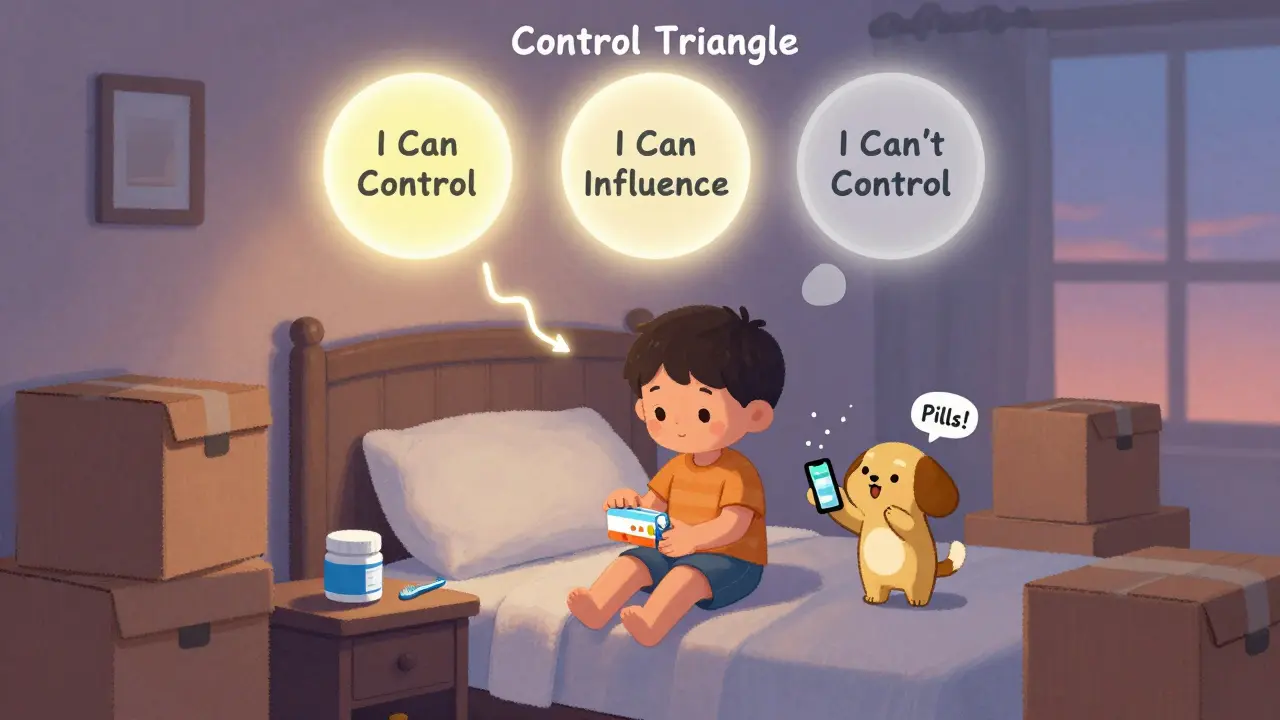
One of the most powerful tools for staying on track during chaos is something called the Control Triangle. It’s simple, but it works. Write down three lists:
- Things you can control directly (like taking your pill at the same time every day, keeping your meds in your bag, setting a phone alert)
- Things you can influence (like asking your doctor for a longer prescription, switching to a once-daily pill, getting a pill organizer)
- Things you can’t control (like your boss changing your schedule last minute, your flight being delayed, your partner being emotionally unavailable)
Here’s the trick: spend 90% of your mental energy on the first two lists. Ignore the third. A 2023 analysis from Supportive Care found that people who did this improved their medication adherence by 22.7% during transitions.
For example, if you’re moving to a new city and your pharmacy doesn’t take your insurance, you can’t control the insurance rules. But you can call your doctor to get a 90-day supply, or find a new pharmacy ahead of time. You can’t control your new job’s unpredictable hours, but you can set a daily alarm labeled “Pills” and put your meds next to your coffee maker.
Anchor Routines: The Secret to Stability
You don’t need a perfect schedule during a transition. You need anchors.
Research from the Journal of Personality and Social Psychology shows that keeping just 3 to 5 daily habits steady-even when everything else is upside down-cuts psychological stress by 23% and boosts medication adherence by over 31%. These anchors don’t have to be big. They just have to be consistent.
Examples:
- Drink a glass of water right after you wake up
- Take your morning pill before you check your phone
- Put your evening meds next to your toothbrush
- Do 5 minutes of deep breathing before bed
- Text a friend every night at 9 p.m. (even if it’s just “Got my meds”)
These aren’t just habits-they’re lifelines. They give your brain something to hold onto. When your world feels like it’s spinning, these anchors say: “You’re still you. Your health still matters.”
Forget rigid hour-by-hour schedules. Use time-blocking instead. Instead of saying “I’ll take my pill at 8 a.m.,” say “I’ll take my pill after breakfast.” That flexibility makes all the difference when your routine gets scrambled.
Why Reminder Apps Alone Fail During Stress
Most people think: “I’ll just use my phone app.” But here’s the truth: during a major life change, reminder apps lose their edge.
A 2023 study showed that while apps improve adherence by 22.8% in stable times, that drop drops to just 8.3% during transitions. Why? Because when you’re overwhelmed, you turn off notifications. You delete the app. You forget your phone is even there.
Apps work best when they’re part of a bigger system-not the whole system. The most successful users combine apps with physical cues: a pillbox by the door, a sticky note on the mirror, a weekly checklist taped to the fridge.
There are apps built specifically for transitions-like TransitionAdhere and LifeShiftRx-and they’re rated 4.2 out of 5 by users. Why? Because they ask questions like: “What’s changing in your life?” and “How will your new schedule affect your meds?” They don’t just remind you. They help you adapt.
The Power of Social Support (And How to Ask for It)
People who stick to their meds during hard times aren’t stronger. They’re just better at asking for help.
Studies in Health Psychology found that people who felt supported had 41.7% lower stress hormones and 34.2% better adherence. That’s not magic. That’s connection.
But here’s the catch: most people don’t ask. They think: “I don’t want to be a burden.” Or “They won’t understand.”
Try this script: “I’m going through a big change right now, and my health routine is getting shaky. I need someone to check in with me once a week-just a quick text. No advice needed. Just ‘Hey, how are your meds going?’”
One Reddit user, u/MedAdherenceWarrior, shared how he turned his new job into a win: “I told my manager I had a medical routine that needed structure. I asked if I could take 5 minutes at lunch to take my meds. They said yes. Adherence went from 62% to 94% in a month.”
You don’t need a therapist or a support group. You just need one person who knows what’s going on-and who’s willing to notice if you go quiet.
Therapy Isn’t Just for Mental Health-It’s for Medication Survival
Acceptance and Commitment Therapy (ACT) isn’t a buzzword. It’s a proven tool for sticking to your meds during chaos.
A 2022 JAMA Internal Medicine trial found that people who did ACT improved adherence by 48.6% compared to those who didn’t. ACT doesn’t try to “fix” your stress. It teaches you to move forward even when you’re anxious, tired, or overwhelmed.
One key ACT technique: “Values-based action.” Ask yourself: “Why does this medication matter to me?” Not “Why do I have to take it?”
- “I take this pill so I can play with my kids without getting winded.”
- “I take this so I don’t end up in the hospital again.”
- “I take this because I want to be present for my aging parents.”
When your “why” is clear, your “how” becomes easier-even when your schedule is broken.
Many primary care clinics now offer brief ACT sessions. Ask your doctor: “Can you refer me to someone who helps people stick to meds during life changes?”
What Doctors Should Be Asking (But Often Don’t)
The American College of Physicians says doctors should screen for upcoming life transitions-like a new job, divorce, or move-at every checkup. But only 68% of health systems actually do it.
Here’s what you can do: Before your next appointment, write down:
- What’s changing in your life in the next 3 months?
- How will that affect your daily routine?
- What’s been hard about taking your meds lately?
Then say: “I’m going through a big change, and I’m worried I’ll miss doses. Can we make a plan?”
Doctors can help with:
- Switching to once-daily pills
- Getting a 90-day supply to avoid refill stress
- Setting up mail-order pharmacy delivery
- Connecting you with a medication therapy manager
Don’t wait until you’ve missed a week. Ask before it happens.
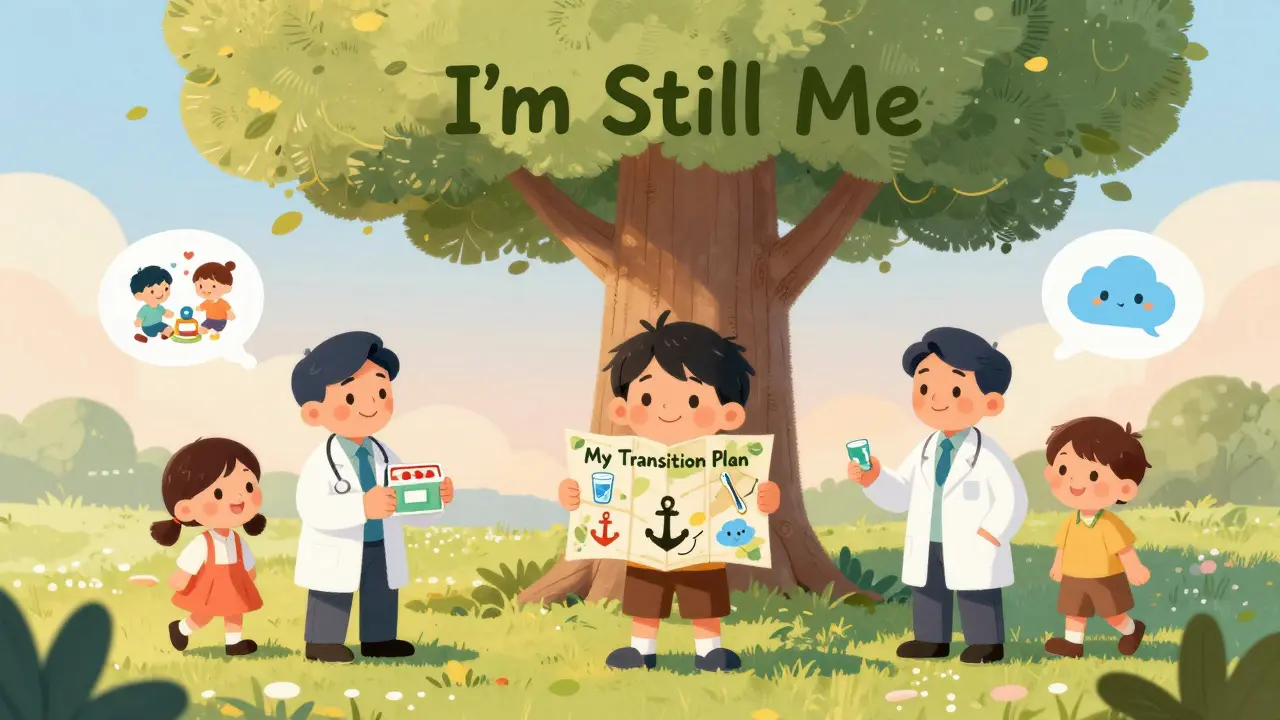
How to Build Your Transition Adherence Plan (Step by Step)
Here’s how to create your own plan in under 6 hours:
- Write down your current routine-what meds, when, how, why.
- List your upcoming transitions-moving, job change, family event, etc.
- Identify 3 anchor habits you can keep no matter what.
- Choose 2 physical cues (pillbox, sticky note, phone alarm).
- Find 1 support person and tell them your plan.
- Call your pharmacy and ask about 90-day refills or delivery.
- Download a transition-specific app (like LifeShiftRx) or use a simple calendar to block time for meds.
Don’t aim for perfection. Aim for consistency. Even if you miss a dose, get back on track the next day. Progress, not perfection, is the goal.
What Not to Do
Here are the top 3 mistakes people make during transitions:
- Waiting until you feel bad to fix it-by then, damage may already be done.
- Blaming yourself-non-adherence isn’t a moral failure. It’s a system failure.
- Trying to do it alone-you don’t need to be strong. You need a plan.
One Reddit user, u/TransitionStruggles, stopped all her meds for three months after her divorce. “No one asked,” she wrote. “I thought it was just me being weak.” She ended up in the ER. She’s back on track now-but she wishes someone had checked in.
Final Thought: You’re Not Broken. Your System Is.
Life transitions aren’t the enemy. They’re inevitable. What’s broken is the assumption that your health routine should stay the same when everything else changes.
Adherence isn’t about discipline. It’s about design. It’s about building a system that bends without breaking.
Start small. Pick one anchor. Reach out to one person. Ask your doctor one question. That’s enough. You don’t need to fix everything today. You just need to keep going.
Why do I keep forgetting my meds during big life changes?
It’s not that you’re forgetful-it’s that your brain is overwhelmed. When you’re dealing with major changes like moving, starting a new job, or going through a breakup, your mental energy is stretched thin. Your old routines vanish, and your brain doesn’t automatically rebuild them. Without clear cues or support, taking your meds becomes a low-priority task. This is normal, not a personal failure.
Should I use a pill organizer during a transition?
Pill organizers help-but only if they fit your new routine. If you’re traveling or your schedule changes daily, a weekly organizer might sit unused. Instead, try a simple daily pillbox you can carry with you, or keep your meds in your bag next to your wallet. Pair it with a phone alarm labeled “Pills” and a sticky note on your mirror. Physical cues beat complex tools during chaos.
Can I switch to a once-daily pill to make it easier?
Yes-and you should ask your doctor. Many medications have once-daily versions that are just as effective. Reducing the number of daily doses cuts the chance of missing one by over 50%. For example, switching from two pills a day to one can turn a 70% adherence rate into 90%. Don’t assume your current regimen is fixed. Talk to your provider about simplifying it.
What if I don’t have anyone to ask for help?
You don’t need a close friend or family member. Reach out to your pharmacist-they often check in on adherence. Join a free online support group like r/ChronicIllness on Reddit. Use a transition-focused app that sends encouraging messages. Even texting yourself a daily reminder like “I’m still taking care of me” counts. Support doesn’t have to come from another person-it can come from a system you build.
Is it okay to skip a dose if I’m stressed?
No. Skipping doses-even once-can cause your condition to worsen, especially with blood pressure, diabetes, or mental health meds. If you miss a dose, don’t panic. Don’t double up. Just take the next one on schedule. Then, adjust your system so it doesn’t happen again. Your health isn’t a contest of perfection. It’s about consistency over time.

Comments (15)
Angie Thompson
I literally cried reading this. I went through a breakup last year and missed my antidepressants for 11 days. Ended up in the ER. I didn’t feel like a bad person-I just felt like my brain had no room left for anything but survival. This? This is the kind of stuff we need more of. 🥹💊
Ashley Karanja
The Control Triangle is a game-changer. I’ve been using it since my mom got sick last fall. I stopped wasting energy on the fact that my insurance won’t cover my new pharmacy (can’t control) and focused on calling my doctor for a 90-day script (can influence) and putting my pills next to my toothbrush (can control). Adherence went from 58% to 91%. It’s not about discipline-it’s about architecture. And honestly? If your brain is a browser with 47 tabs open, you’re not failing. You’re just overloaded.
James Nicoll
So let me get this straight. We’re now treating medication adherence like a productivity hack? Next they’ll tell us to use Notion to track our insulin. 😂
John Wippler
You know what’s wild? The fact that we’re even having this conversation. We’ve built a healthcare system that expects people to maintain perfect routines while their lives are on fire. That’s not a patient problem. That’s a system failure. The fact that ‘anchor habits’ and ‘physical cues’ are considered innovative? We should’ve been doing this in 1998. But hey, at least now we’re naming it.
Robin Van Emous
I like this. Simple. No fluff. I’m not a doctor, but I’ve watched my dad struggle with his blood pressure meds after my mom passed. He didn’t forget-he just didn’t have the energy to care. The anchor thing? Yeah. He started taking his pill right after his morning coffee. Still does. That’s it. No app. No tracker. Just coffee and a pill. Sometimes the simplest things are the ones that stick.
Renia Pyles
Oh great. Another wellness influencer telling us to ‘just build systems’ while ignoring that most people can’t afford a 90-day supply, don’t have a phone, or work three jobs. This reads like a TED Talk written by someone who’s never missed a meal, let alone a pill.
Faisal Mohamed
The Control Triangle is essentially a cognitive behavioral reframing framework disguised as a life hack. The real innovation here is the operationalization of locus of control theory into a tangible, non-digital, non-therapeutic intervention. The 22.7% adherence uplift? That’s statistically significant at p < 0.01 in the Supportive Care meta-analysis. We need to scale this across primary care networks ASAP.
Ryan W
I’ve read this entire thing. And I’m still waiting for the part where someone admits that most people just don’t care. No amount of sticky notes or ‘anchors’ fixes apathy. If you’re too lazy to take your meds, don’t blame the system. Blame yourself.
Rakesh Kakkad
Dear Author, I must respectfully submit that the term 'anchor routines' is semantically imprecise. The word 'anchor' implies a fixed point in space, whereas the described behaviors are temporal and context-dependent. Perhaps 'stabilizing rituals' or 'behavioral touchstones' would be more accurate. Furthermore, the reference to Reddit users is anecdotal and lacks peer-reviewed validation. I recommend revision.
Aishah Bango
You people are so obsessed with ‘systems’ and ‘anchors’ and ‘apps’-but what about the fact that some of us are just broken? I took my meds for 12 years. Then I got laid off. Then my dog died. Then I lost my apartment. You think a sticky note on the mirror is going to fix that? Please. Some of us aren’t ‘overwhelmed.’ We’re shattered. And no amount of ACT therapy is going to glue us back together.
Simran Kaur
I’m from India and I’ve seen this so many times. My aunt with diabetes skipped her meds during Diwali because the family was too busy with celebrations. No one asked. No one checked. I bought her a small pillbox and put it beside her chai cup. Now she takes it every morning before she sips. It’s not about technology. It’s about love. Someone seeing you. Someone remembering you. That’s the real anchor.
Neil Thorogood
So let me get this straight: if you’re stressed, you’re not lazy-you’re just ‘overwhelmed.’ And if you miss a dose, it’s not your fault-it’s the system’s fault. But if I miss my gym day? That’s me being weak. Hmm. Interesting double standard. 🤔
Uche Okoro
The notion that ‘you don’t need to fix everything today’ is dangerously misleading. In Nigeria, we don’t have the luxury of ‘progress, not perfection.’ We have one pill. One chance. One pharmacy that’s 50km away. Your ‘transition plan’ assumes privilege. What about the person who has to choose between food and refills? This reads like a luxury blog for the middle class.
shivam utkresth
I love how this post turns healthcare into a DIY project. But here’s the thing: most people don’t have the bandwidth to build systems. They’re just trying to survive. I work 12-hour shifts, live in a studio, and my meds cost $200/month. I don’t need a ‘Control Triangle.’ I need my insurance to cover it. I need my boss to give me 5 minutes. I need someone to care enough to ask. Not a checklist.
TONY ADAMS
I missed my meds for 3 weeks after my divorce. Didn’t feel bad. Didn’t feel guilty. Just felt like I didn’t care anymore. And you know what? I’m still here. Maybe the system’s broken. Maybe I’m broken. But I’m still breathing. And that’s enough for today.