
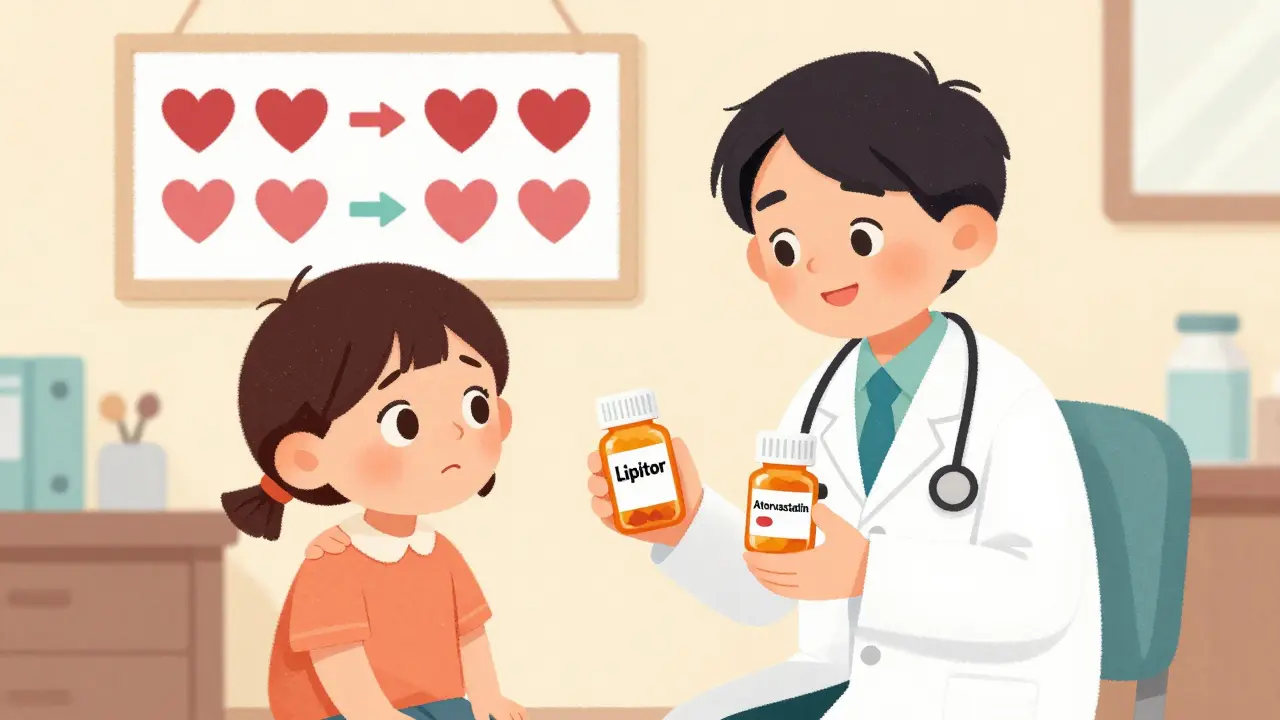
When a life-saving medication disappears from the pharmacy shelf, patients don’t just lose a pill-they lose stability, trust, and sometimes hope. Drug shortages aren’t rare anomalies anymore. In 2023, nearly 300 medications were in short supply across the U.S., with heart drugs and cancer treatments topping the list. And when this happens, it’s not the manufacturer’s job alone to fix the mess. Healthcare providers are on the front line, responsible for guiding patients through confusion, fear, and uncertainty. Failure to communicate clearly doesn’t just frustrate patients-it risks their health.
Why Communication Isn’t Optional
Think about it: you’ve been taking the same pill for years. Your blood pressure is stable. Your anxiety is under control. Then one day, your refill is denied. The pharmacist says, "It’s on shortage." No explanation. No alternative. Just silence. That’s not just inconvenient-it’s dangerous. Studies show that 70% of serious medical errors linked to drug shortages stem from poor communication, not missing drugs themselves. Patients who aren’t told why their medication changed are more likely to stop taking it altogether. One 2021 study found that when providers didn’t explain alternatives, 42% of patients discontinued treatment. That’s not noncompliance-it’s abandonment caused by lack of information. The Joint Commission now requires all healthcare facilities to have structured communication plans for drug shortages. By January 2025, facilities that don’t comply risk losing accreditation. This isn’t bureaucracy-it’s patient safety.What Providers Must Say (and How to Say It)
There’s a clear checklist for what patients need to hear during a shortage. It’s not complicated, but it’s often skipped.- Which drug is missing? Use the brand name AND the generic name. Don’t say "your med." Say: "Your brand, Lipitor, is unavailable. The generic, atorvastatin, is what we’ll use instead."
- Why it’s gone. Don’t say "supply issues." Say: "The factory that makes this version had a quality control shutdown. It’s not about safety-it’s about availability."
- What’s replacing it. Don’t just hand over a new prescription. Explain why it’s a safe swap. "This alternative works the same way in your body. Studies show it lowers cholesterol just as well."
- When it might come back. Even if you don’t know, say so. "We don’t have a date yet, but we’re checking weekly. If it returns, we’ll call you."
- How to reach you. Give a direct phone number or email. Not the front desk. Not the portal. A real line to a person who knows the situation.
Plain Language Isn’t a Suggestion-It’s a Requirement
The CDC says all shortage communication must be written at a 6th- to 8th-grade reading level. That means no "pharmacokinetic profiles," no "bioequivalence," no "therapeutic substitution." Just clear, simple words. A 2020 study found that 47% of U.S. adults struggle with basic health information. If you write a note saying, "We are initiating a therapeutic interchange," half your patients will tune out. But if you say, "We’re switching you to a different pill that works the same way," they understand. Use visuals. A simple side-by-side chart showing the old and new pill, with dosage and frequency, cuts confusion in half. One clinic in Minnesota saw patient anxiety drop by 51% after adding a one-page visual guide to every shortage conversation.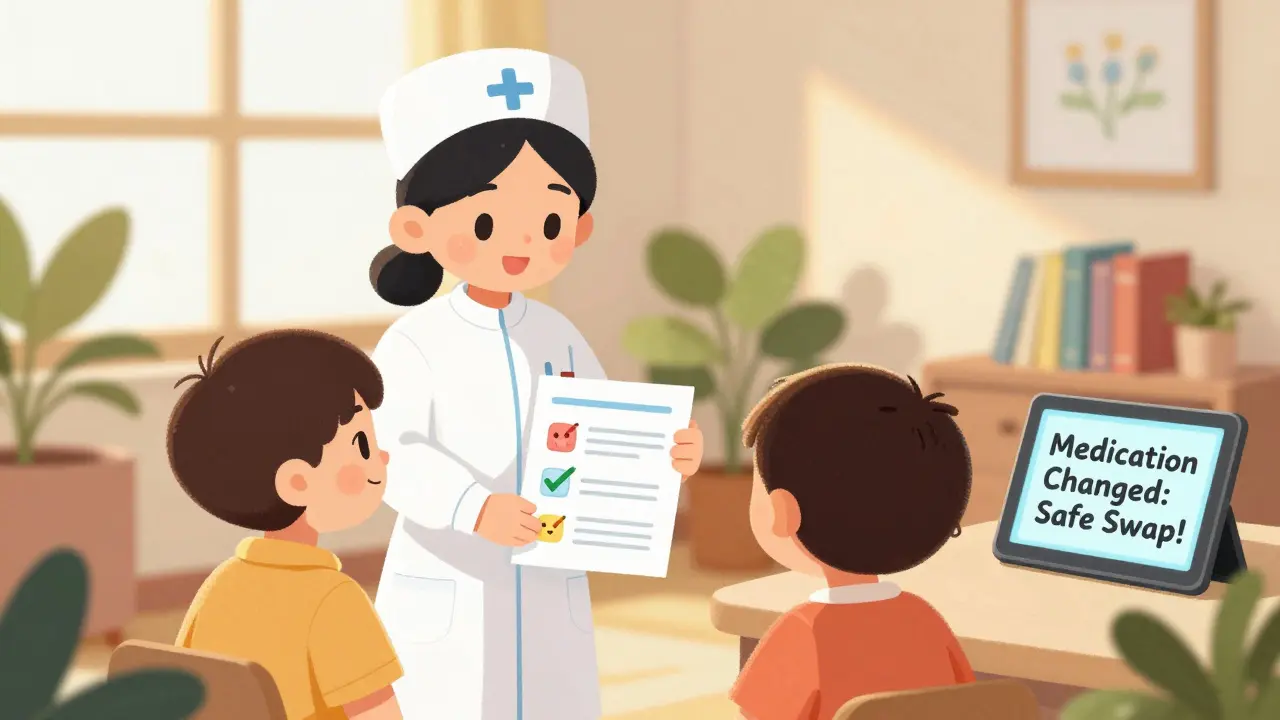
It’s Not Just About Facts-It’s About Feeling
Patients don’t just need information. They need to feel heard. Dr. Jane Smith from Johns Hopkins says 73% of patients lose trust when providers delay telling them about a shortage. That’s not because they’re angry about the drug-it’s because they feel left in the dark. The best providers don’t just deliver facts. They pause. They ask: "How are you feeling about this change?" They validate fear: "It’s totally normal to be worried when your usual medicine isn’t there." The WHO says providers should spend 37% more time on empathetic statements during shortage talks. That means listening more than talking. Letting silence sit. Not rushing to fix it. One patient on Reddit wrote: "My doctor didn’t explain why my insulin changed. I was terrified I’d get sick. I almost stopped taking it. Then I called back, and the nurse spent 20 minutes walking me through it. I cried. Not from fear-from relief."What Happens When You Don’t Communicate
The numbers don’t lie. - Patients who aren’t warned before a shortage change are 3.2 times more likely to misunderstand their new regimen. - Rural clinics without real-time shortage alerts report 68% of providers are flying blind when patients walk in. - Negative reviews mentioning "shortage" on Healthgrades average 2.1 stars-nearly half the overall rating. - In malpractice cases involving drug shortages, 92% lacked proper documentation of patient understanding. It’s not just about lawsuits. It’s about broken trust. When patients feel ignored, they stop coming back. Kaiser Family Foundation found that clinics with clear shortage communication had 23% lower patient churn during supply issues.How the Best Clinics Do It
Some places have turned shortage communication into a strength. At Mayo Clinic, they use SHIP-Shortage Handling and Information Protocol. Every provider gets a checklist. Every patient gets a printed summary. Every alternative is backed by clinical evidence. Patient satisfaction? 87%. Kaiser Permanente built shortage alerts into their EHR. When a drug is flagged, the system auto-generates a patient note and sends a text: "Your medication, X, is temporarily unavailable. We’ve switched you to Y. Here’s how to take it. Call us if you have questions." Memorial Sloan Kettering assigns trained communication specialists to handle all cancer drug shortages. They don’t just explain options-they sit with patients, answer fears, and follow up in 48 hours. These aren’t luxury systems. They’re low-cost, high-impact changes. One hospital saved $45,000 in avoided ER visits in one year just by improving shortage communication.
What You Can Do Today
You don’t need a fancy EHR or a big budget to start doing this right.- Start with one drug you know is often in short supply-like metformin or levothyroxine. Practice the simple script: "Here’s what’s happening. Here’s what we’re doing. Here’s how to reach us."
- Print a one-page handout with common shortage meds and their alternatives. Keep it in every exam room.
- Train your staff: "If a patient asks why their pill changed, don’t say, ‘I don’t know.’ Say, ‘Let me find out for you.’"
- Use the "Chunk, Check, Change" method: Say a small piece of info. Ask them to repeat it back. Adjust if they’re confused.
What’s Coming Next
The FDA just launched a Drug Shortage Communication Collaborative. By 2025, manufacturers will be required to send standardized patient notices within 24 hours of a shortage. That’s huge. But here’s the truth: no automated message replaces a human voice. No email replaces a conversation. No algorithm can tell a patient, "I know this is scary. I’m here with you." The future of care isn’t just better supply chains. It’s better communication. And it starts with providers who refuse to stay silent.What should I do if my medication is on shortage and my provider doesn’t explain the alternative?
Ask directly: "Can you explain why this change is happening and how the new medication is similar?" If they can’t or won’t, ask for a referral to a pharmacist or specialist. You have the right to understand your treatment. If you’re still unsure, contact your local health department or patient advocacy group for help. Don’t stop taking your medicine without guidance.
Are generic alternatives really as safe as brand-name drugs?
Yes. The FDA requires generics to have the same active ingredient, strength, dosage form, and absorption rate as the brand name. They’re tested to be bioequivalent-meaning they work the same way in your body. The only differences are inactive ingredients, like fillers or coatings, which rarely affect safety or effectiveness. If you’ve had no issues with the brand, you’re very likely to do just as well with the generic.
How long do drug shortages usually last?
It varies. Some last weeks; others, months. The FDA tracks shortages and updates estimates weekly. But even if you’re told "a few weeks," assume it could be longer. Providers should check in with you every 30 days. If you haven’t heard anything after a month, call your clinic. Don’t wait for them to reach out.
Can I switch back to my original medication once it’s available again?
Usually, yes. But don’t assume. Always check with your provider before switching back. Sometimes, your body has adjusted to the alternative. Or the original may still be in short supply. Your provider may want to monitor you for a few weeks after switching to ensure everything stays stable.
Why do some pharmacies seem confused about shortages too?
Because many pharmacies don’t get real-time updates. The system is fragmented. Manufacturers notify the FDA, but that info doesn’t always flow to pharmacies or providers quickly. That’s why your provider should be your main source of truth-not the pharmacist’s front counter. If your pharmacist says "I don’t know," ask your provider to send a note confirming the alternative.

Comments (11)
Sangeeta Isaac
so like... my pharmacist just shrugged and handed me a different pill like it was a coupon for laundry detergent. no explanation. no ‘hey this might freak you out’ just ‘here’s your new life support.’ i’m not mad, i’m just disappointed. 🤷♀️
Dee Monroe
I’ve been thinking about this a lot lately-how we treat medicine like it’s a subscription service you can just swap out like a Netflix plan. But it’s not. It’s part of your body’s rhythm. When you take the same pill for years, it becomes a quiet ritual-morning coffee, brushing teeth, your pill. And then one day, it’s gone. No warning. No ceremony. Just a new shape in your hand and a silence where your doctor used to be. It’s not just about bioequivalence or FDA standards. It’s about grief. You’re mourning a version of yourself that trusted the system. And no checklist fixes that. You need someone to sit with you, not hand you a pamphlet. I’ve seen patients cry because they were told ‘it works the same’-but it doesn’t feel the same. And feelings aren’t in the clinical trials.
Jerry Rodrigues
the part about the minnesota clinic dropping anxiety by 51% with a one page chart hit hard
Andrew Rinaldi
i think the real issue is we treat communication like a task to check off instead of a human moment. the system rewards speed, not presence. but healing doesn’t happen in 90 seconds.
Amber Lane
my mom’s insulin changed last year. no one told her why. she stopped taking it for three weeks. just didn’t want to risk it. she’s fine now. but i’ll never forget how scared she looked.
Stephen Rock
let me guess-next they’ll make us hold patients’ hands while we explain why their 20mg lisinopril is now a 10mg generic with a 14% absorption variance. oh wait we already do. but now we get audited for it. brilliant. the only thing worse than a drug shortage is a bureaucrat with a checklist
Glenda Marínez Granados
i love how we’re now requiring providers to be therapists, translators, and pharmacists all at once... but still pay them $120/hour to do it 😭👏
Malvina Tomja
this whole post is just performative virtue signaling. if you’re so worried about patient trust, why not fix the supply chain? why make the doctor the emotional punching bag for failed pharmaceutical logistics? it’s not their fault the factory in india shut down. stop putting the burden on the clinician. they’re not miracle workers.
Philip Williams
I appreciate the emphasis on structured communication protocols. However, I would argue that the most critical element missing from this discussion is longitudinal documentation. Without a standardized, timestamped, patient-signed acknowledgment of the change-both in writing and verbally-it’s impossible to mitigate liability or ensure continuity. The Joint Commission’s requirements are a step, but without integration into the EHR with audit trails, this remains aspirational. We need interoperable, patient-facing digital summaries that auto-populate from pharmacy alerts. This isn’t about empathy-it’s about accountability.
MARILYN ONEILL
you know what’s really wild? people think generics are the same. they’re not. the fillers are different. some people get rashes. some get headaches. some just feel weird. but no one wants to hear that. so we just say ‘it’s the same’ and hope they don’t die. classic american medicine.
MAHENDRA MEGHWAL
In India, we face similar challenges, but with greater scarcity. When a medicine is unavailable, we do not have the luxury of printed handouts or EHR alerts. We rely on memory, trust, and the quiet dignity of the patient who waits patiently, knowing the system has failed them-but still believes in their doctor. This is not just policy. It is moral responsibility.