Clarithromycin and Colchicine: Drug Interactions, Risks, and What You Need to Know
When you take clarithromycin, a common antibiotic used for respiratory and skin infections with colchicine, a medication used to treat and prevent gout flares, you’re mixing two drugs that can seriously harm your body. This isn’t just a minor warning—it’s a red flag. Clarithromycin slows down how your liver breaks down colchicine, causing it to build up to toxic levels. The result? Muscle damage, kidney failure, or even death. This interaction isn’t rare. It’s been documented in hospital reports, and it’s one of the most dangerous drug combos you might not know about.
People on long-term colchicine for gout are especially at risk, especially if they’re older, have kidney problems, or take other meds like statins or blood pressure pills. A 2021 study in the Journal of the American College of Cardiology found that over 60% of colchicine toxicity cases linked to antibiotics involved clarithromycin. That’s not a coincidence. It’s a pattern. Even a single dose of clarithromycin can trigger this reaction. You don’t need to take both for weeks—just a few days can be enough. And if you’re taking colchicine daily for prevention, you’re already walking a tightrope. Adding clarithromycin? You’re cutting the rope.
This isn’t just about antibiotics and gout. It’s about how your body handles drugs. Clarithromycin blocks a key liver enzyme called CYP3A4, which is also responsible for clearing other common meds—like simvastatin, cyclosporine, and even some heart rhythm drugs. That means if you’re on any of these, clarithromycin can turn safe doses into overdose risks. And colchicine? It’s narrow. The difference between a helpful dose and a deadly one is small. One doctor told us about a 72-year-old man who took clarithromycin for a sinus infection and ended up in the ICU with rhabdomyolysis. He wasn’t on high-dose colchicine—he was on the standard 0.6 mg once daily. That’s all it took.
What to Do Instead
If you need an antibiotic while taking colchicine, don’t guess. Ask your doctor or pharmacist for a safe alternative. Azithromycin is usually the go-to swap—it doesn’t interfere with colchicine the same way. Amoxicillin works too. Both are just as effective for most infections. If you’re on colchicine for gout and your doctor prescribes clarithromycin, push back. Bring up the interaction. Show them the data. You’re not being difficult—you’re protecting your life.
And if you’re already taking both? Watch for signs: unexplained muscle pain, weakness, dark urine, nausea, vomiting, or numbness. These aren’t normal side effects—they’re emergency signals. Call your doctor immediately. Don’t wait. Don’t assume it’s just a bad flu. This combo doesn’t play around.
Below, you’ll find real patient stories, clinical guidelines, and safer alternatives to clarify what’s at stake. You won’t find vague warnings or corporate fluff. Just clear, practical info to help you avoid a preventable crisis.
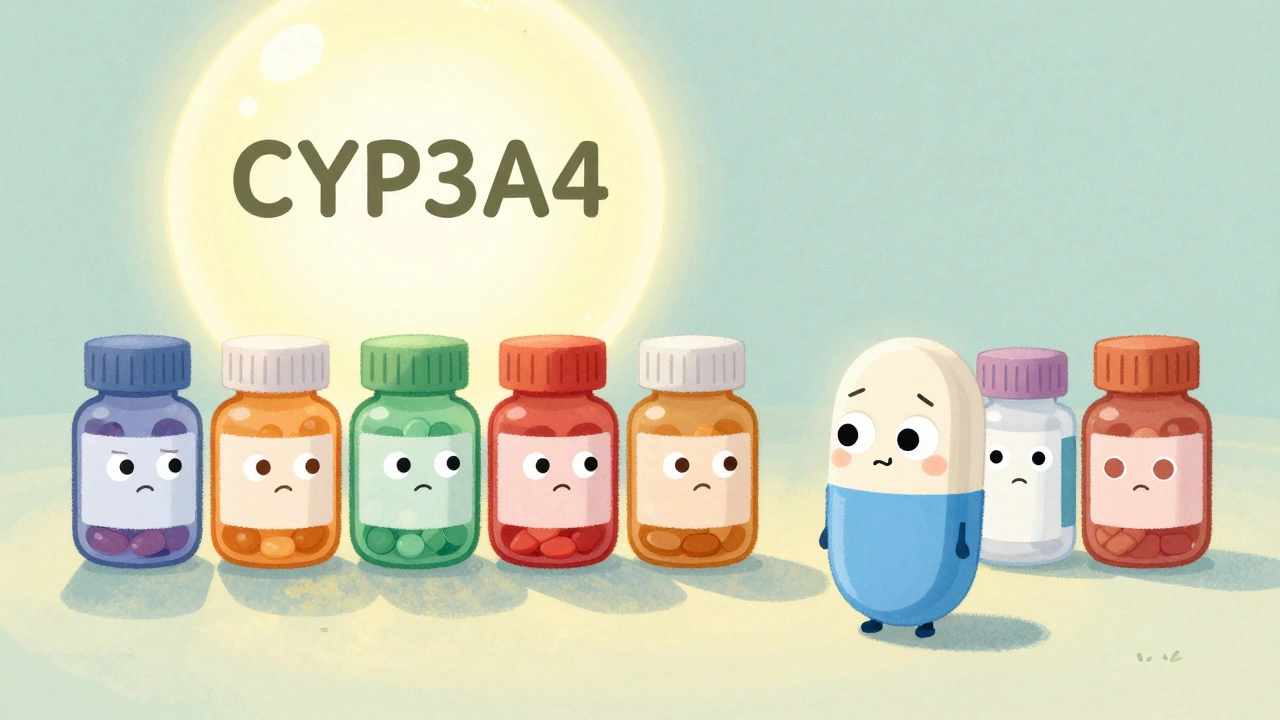
Clarithromycin Drug Interactions: Dangerous Combinations to Avoid
Clarithromycin can cause deadly interactions with common medications like colchicine, statins, and heart drugs. Learn which combinations to avoid, why azithromycin is safer, and what to do if you're already taking it.
View More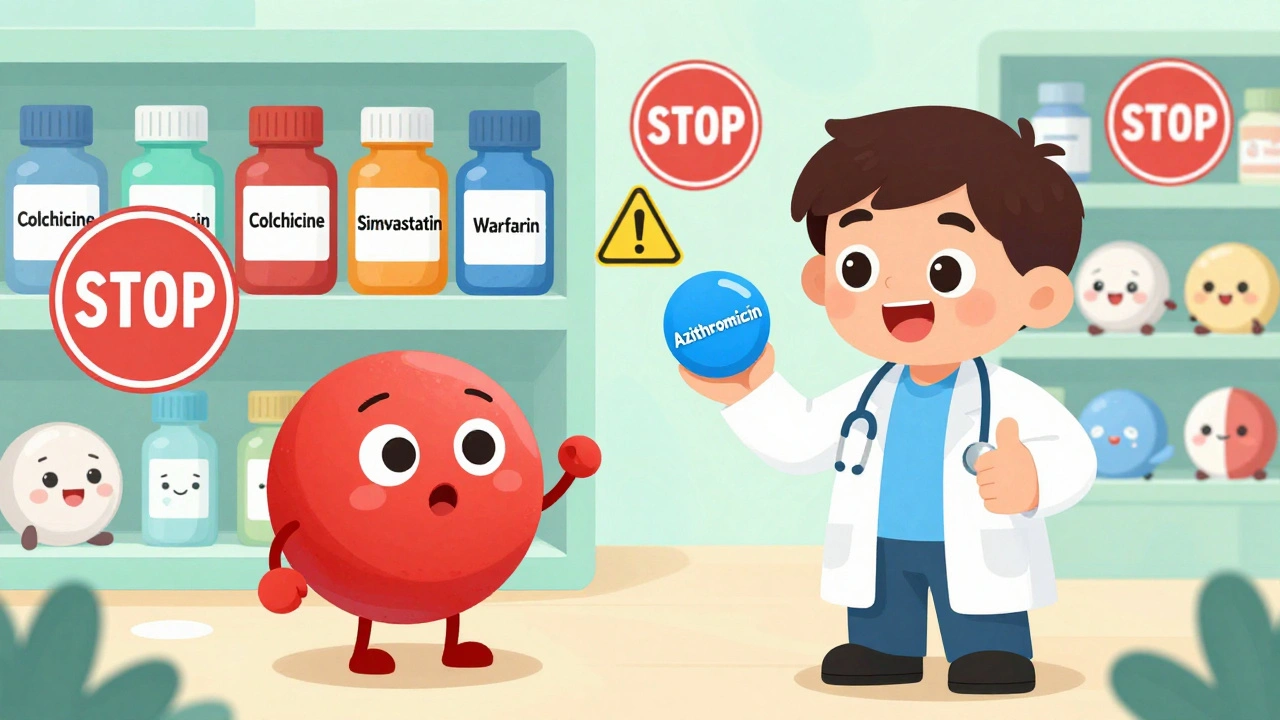
Clarithromycin Drug Interactions: Dangerous Combinations to Avoid
Clarithromycin can cause deadly interactions with common medications like statins, colchicine, and heart drugs. Learn which combinations to avoid and safer alternatives to ask your doctor for.
View More
© 2026. All rights reserved.