CYP3A4 Drug Interactions: What You Need to Know About This Key Metabolism Pathway
When you take a medication, your body doesn’t just let it sit there—it breaks it down, mostly through a system called CYP3A4, a liver enzyme responsible for metabolizing over half of all prescription drugs. Also known as cytochrome P450 3A4, it’s the workhorse that determines how long a drug stays active in your system and whether it’ll work as intended. If something interferes with CYP3A4, your meds can become too strong, too weak, or even toxic. This isn’t rare—it happens every day with common drugs like statins, blood pressure pills, and even some supplements.
CYP3A4 drug interactions aren’t random. They happen when another substance either blocks the enzyme (making drugs build up) or speeds it up (making drugs disappear too fast). Grapefruit juice is the classic example—it blocks CYP3A4, so if you’re on a statin like simvastatin, one glass can send drug levels soaring. On the flip side, St. John’s Wort, which you might think is harmless, forces CYP3A4 to work overtime, which can make birth control fail or knock your antidepressant out of range. Even some antibiotics and antifungals, like ketoconazole and clarithromycin, are strong inhibitors. And here’s the catch: you might not know you’re at risk because these interactions don’t always show up right away. They sneak in over days or weeks, quietly changing how your body handles your meds.
It’s not just about what you take—it’s about what you’re already on. People managing chronic conditions like diabetes, high blood pressure, or epilepsy are especially vulnerable because they’re often on multiple drugs that all ride the same metabolic highway. Metformin, for example, doesn’t directly touch CYP3A4, but if you’re also on a blood thinner or an antifungal, that combo can still throw off your whole system. The same goes for immunosuppressants like tacrolimus—tiny changes in how they’re broken down can mean the difference between a healthy transplant and rejection. And while you might think generics are always safe swaps, CYP3A4 interactions don’t care if a drug is brand-name or generic—they react to the active ingredient.
Knowing about CYP3A4 doesn’t mean you need a pharmacology degree. It just means you need to ask the right questions. What else are you taking? Could your grapefruit smoothie be hiding in plain sight? Is that new supplement really safe with your heart med? The posts below break down real cases—how PPIs mess with antifungals, why certain antibiotics require dose tweaks, and how even herbal products can turn your meds into a gamble. You’ll see how people caught these issues before it was too late, and what steps actually work to avoid them. No jargon. No fluff. Just what you need to keep your meds working the way they should.
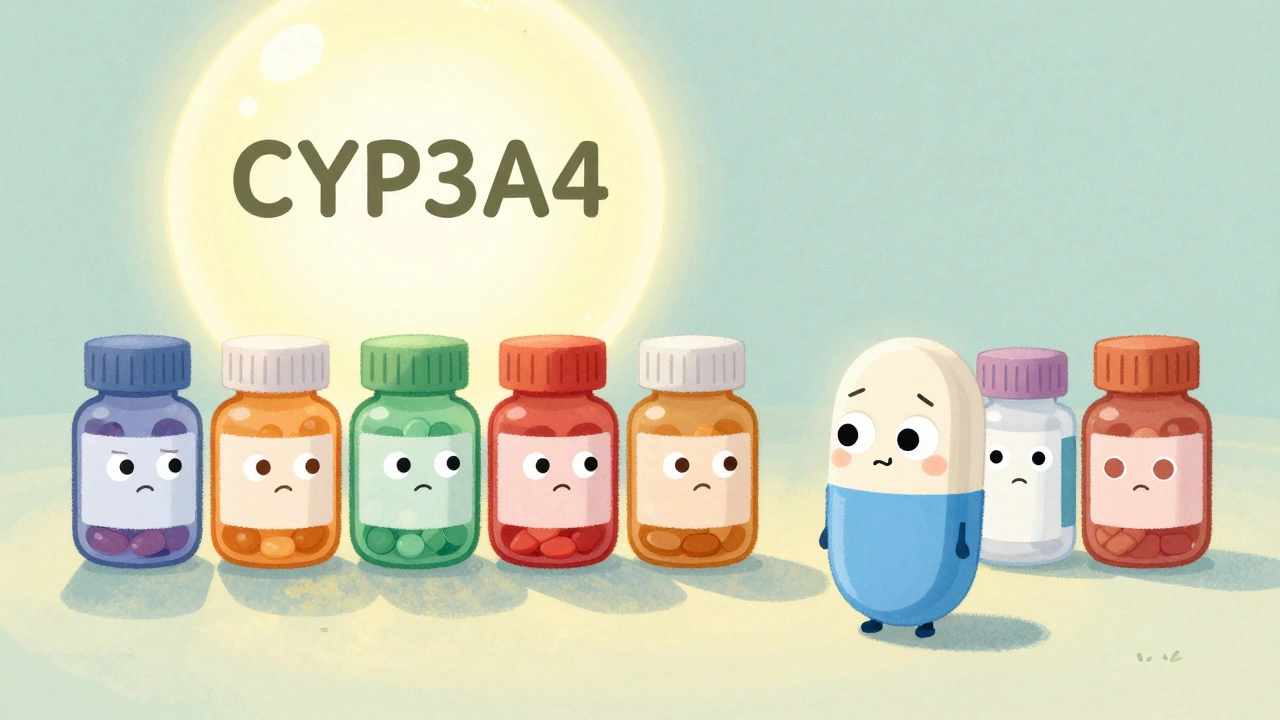
Clarithromycin Drug Interactions: Dangerous Combinations to Avoid
Clarithromycin can cause deadly interactions with common medications like colchicine, statins, and heart drugs. Learn which combinations to avoid, why azithromycin is safer, and what to do if you're already taking it.
View More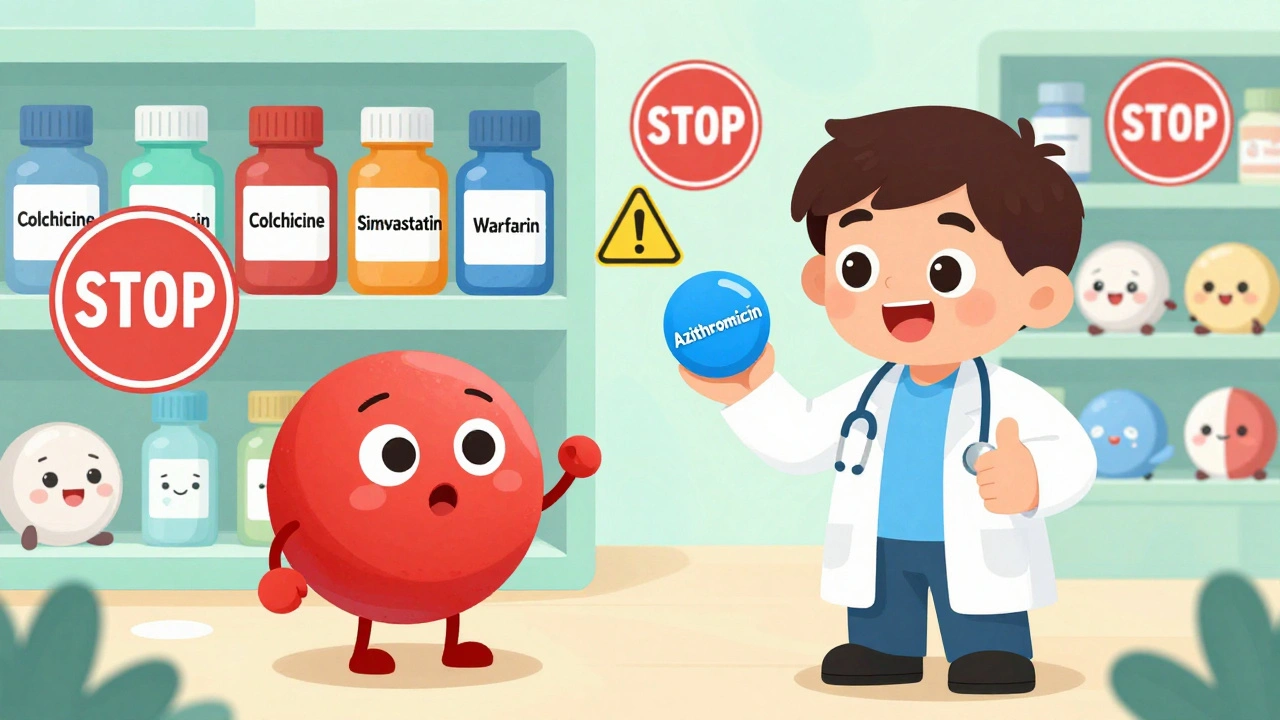
Clarithromycin Drug Interactions: Dangerous Combinations to Avoid
Clarithromycin can cause deadly interactions with common medications like statins, colchicine, and heart drugs. Learn which combinations to avoid and safer alternatives to ask your doctor for.
View More
© 2026. All rights reserved.