Generic vs Brand Name Drugs: What You Really Need to Know
When you hear generic drugs, lower-cost versions of brand-name medications that contain the same active ingredient, dosage, and intended use. Also known as generic medications, they make up over 90% of prescriptions in the U.S. and save patients billions every year. But if they’re so cheap, why do so many people still worry they’re not as good? The truth is simple: generic drugs aren’t cheaper because they’re weaker—they’re cheaper because they don’t carry the marketing, advertising, and patent costs of the original brand.
The FDA, the U.S. agency that approves and monitors all prescription drugs for safety and effectiveness requires generics to match brand names in strength, how they work in the body, and how fast they’re absorbed. This is called bioequivalence, the scientific standard proving a generic drug performs the same way as the brand-name version in the body. It’s not a guess. It’s tested in labs, on real people, and reviewed by scientists. If a generic doesn’t meet that bar, it doesn’t get approved—no exceptions.
So why do some people feel different on a generic? Sometimes it’s the filler ingredients—the dyes, binders, or coatings—that change how the pill looks or tastes. Rarely, those fillers affect absorption in people with very sensitive stomachs or rare conditions. But that doesn’t mean the active drug isn’t working. And when it does happen, your doctor can switch you to a different generic maker—there are often 5 or 6 making the same drug. The real problem isn’t the drug itself. It’s the system. Big pharma uses legal tricks like authorized generics, when the brand-name company launches its own low-cost version to block competition to delay cheaper options. Meanwhile, pharmacy benefit managers (PBMs) hide price differences so you pay more than cash customers. That’s not the generic’s fault. That’s the middleman.
Here’s what you can do: Ask your pharmacist if your prescription is a generic. Compare the cash price to your insurance copay—sometimes paying out of pocket is cheaper. Check the FDA’s website for approved generics. And if you’ve had a bad experience, don’t assume it’s the drug. Talk to your doctor. It might be the brand you’re used to, not the medicine itself.
Below, you’ll find real stories and data on how generics cut lifelong costs, how doctors are learning (or not learning) to trust them, and how recalls, manufacturing standards, and even patent fights shape what ends up in your pill bottle. No fluff. Just facts you can use.
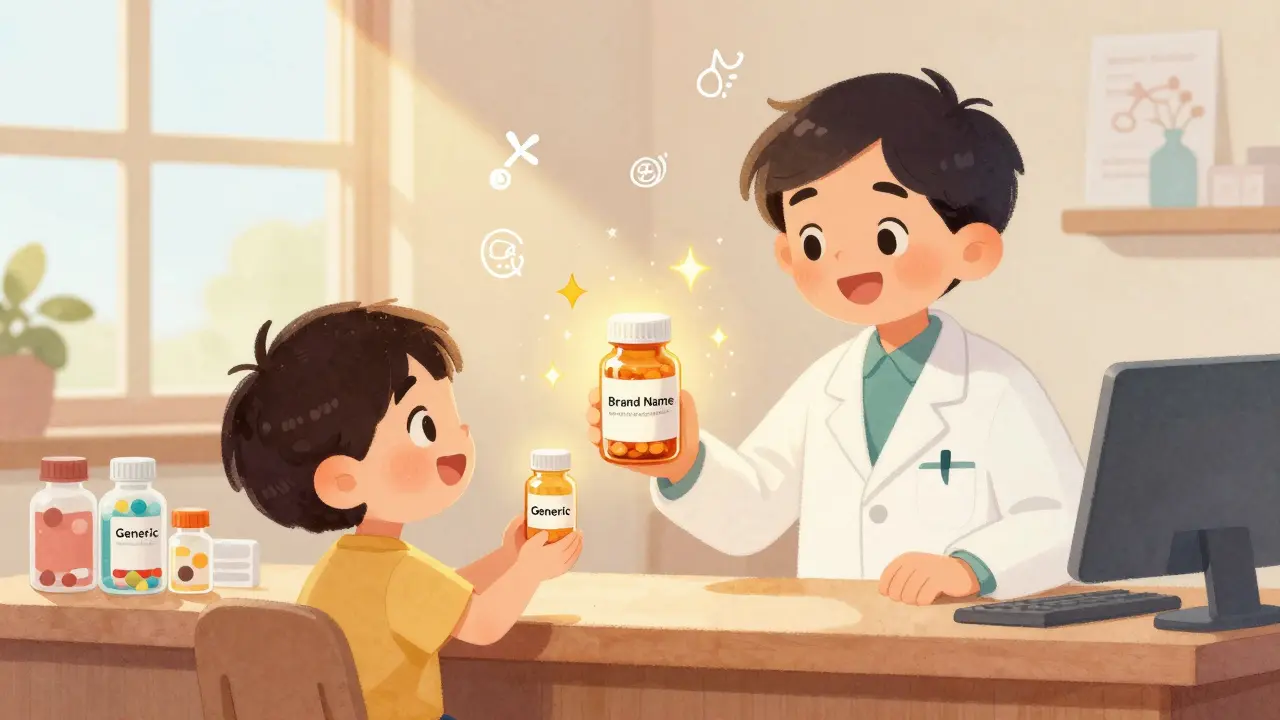
Understanding FDA Generic Drug Approval: What Patients Need to Know
Learn how the FDA approves generic drugs, why they're safe and effective, and what you need to know as a patient. Discover the science behind generic medication and how it saves billions each year.
View More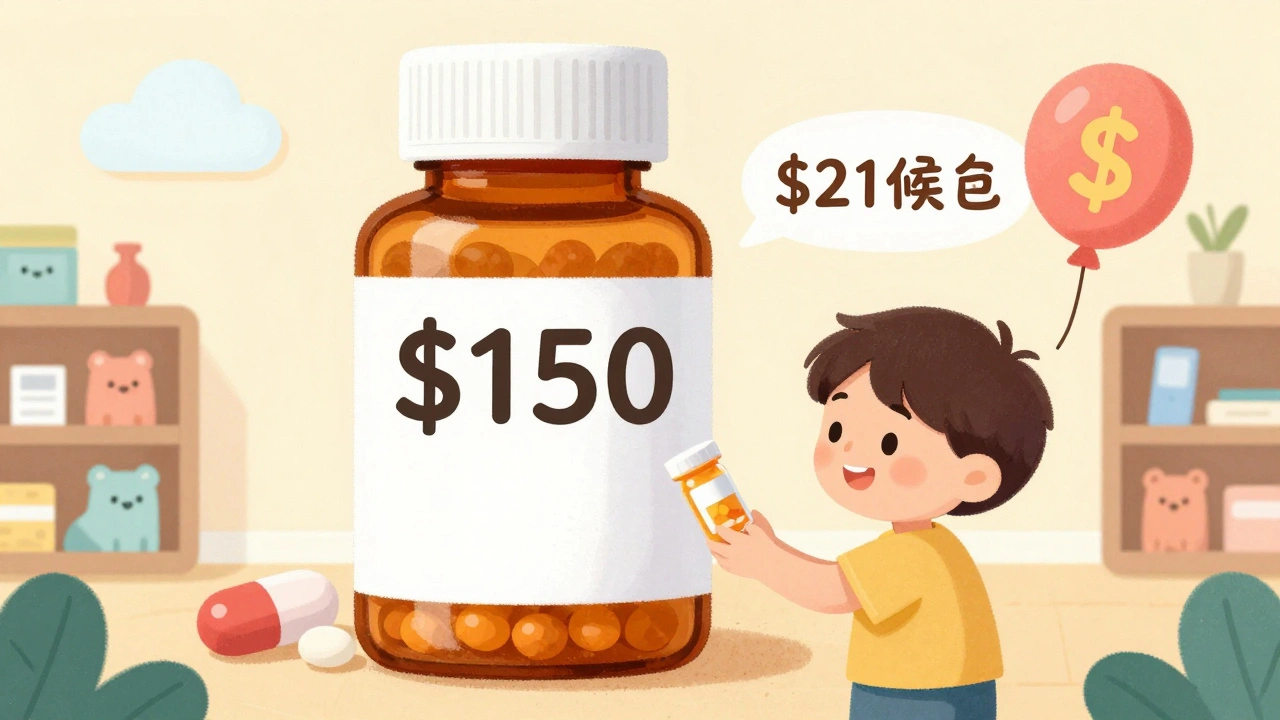
Generic Drug Savings: Real Numbers and National Statistics
Generic drugs saved the U.S. healthcare system $467 billion in 2024 alone. Discover the real numbers behind prescription savings, how generics cut costs by up to 80%, and why brand-name drugs keep rising in price.
View More
© 2026. All rights reserved.