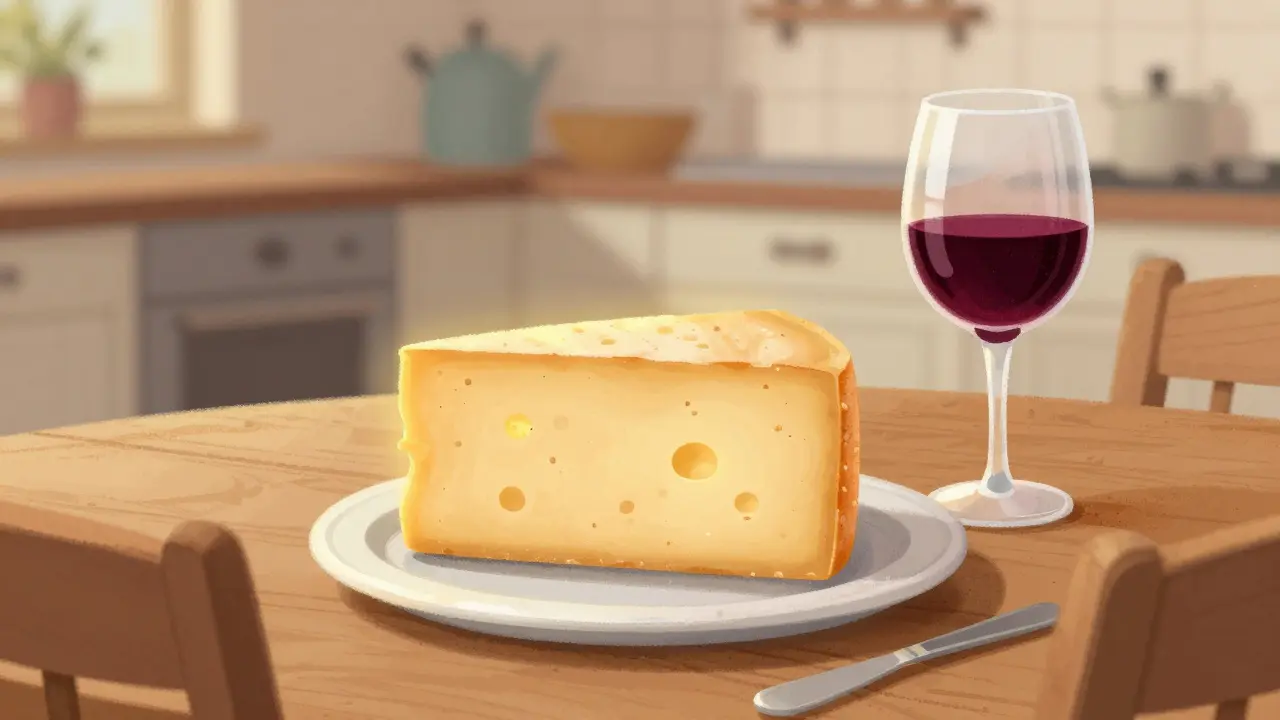
Imagine enjoying a plate of aged cheddar and a glass of red wine, only to find yourself in the emergency room an hour later with a skyrocketing blood pressure. For most people, this is a nightmare scenario; for those taking certain antidepressants, it's a clinical reality known as the "cheese reaction." This happens when Monoamine Oxidase Inhibitors is a class of antidepressant medications that block the enzyme responsible for breaking down specific neurotransmitters and dietary amino acids. Also known as MAOIs, these drugs are incredibly powerful for treatment-resistant depression, but they come with a strict set of dietary rules that can feel overwhelming.
The goal isn't to make your life miserable with a bland diet, but to prevent a Hypertensive Crisis, which is a sudden, severe increase in blood pressure that can lead to organ damage or stroke if not treated immediately. By understanding how tyramine interacts with your medication, you can enjoy your treatment without living in fear of your groceries.
Why Tyramine and MAOIs Don't Mix
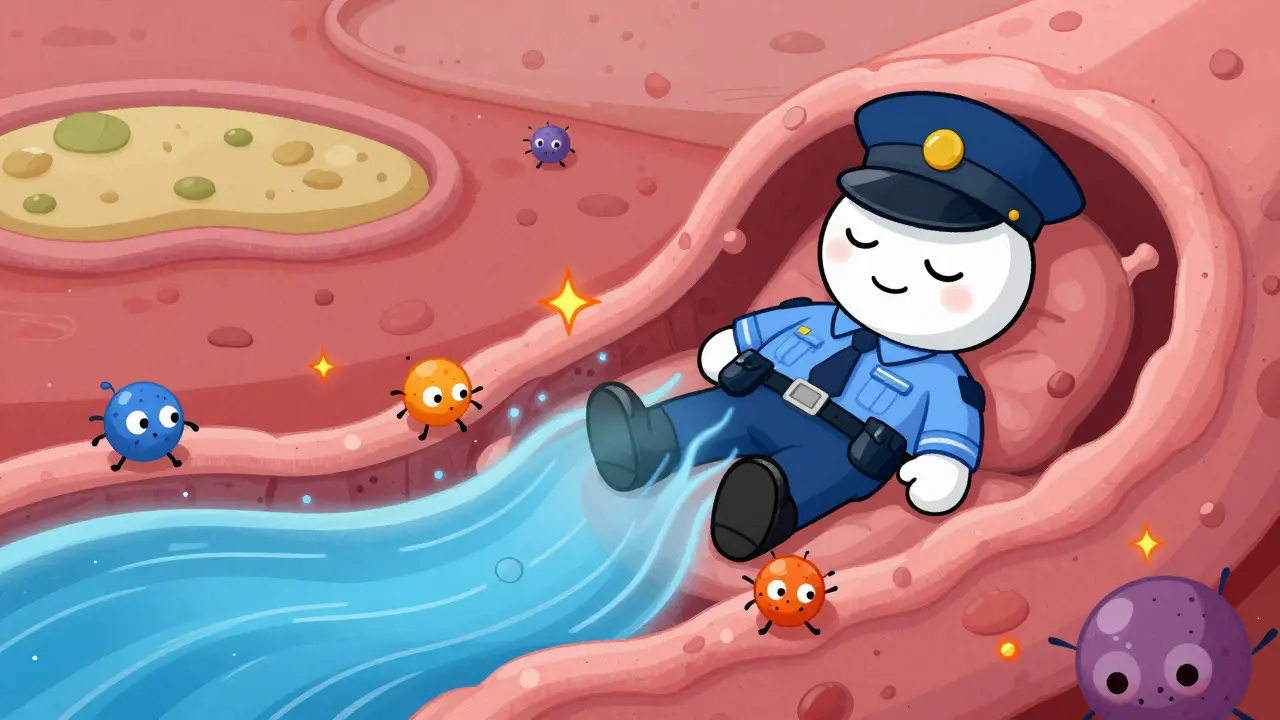
To understand the risk, you have to look at how your body handles tyramine. Tyramine is a naturally occurring amino acid found in foods that have been aged, fermented, or spoiled. In a healthy body, an enzyme called MAO-A in your gut and liver acts like a security guard, breaking down tyramine before it ever reaches your bloodstream.
When you take an irreversible MAOI, you're essentially putting that security guard on vacation. Because the enzyme is blocked, tyramine floods your system. Once it hits your nerve endings, it forces a massive release of norepinephrine-the "fight or flight" hormone. This causes your blood vessels to tighten instantly, sending your systolic blood pressure soaring. Research from Brown University has shown that even a small amount-just 5 to 10 mg of tyramine-can cause a blood pressure spike of 30 to 50 mmHg in some patients.
The "Danger Zone": Foods to Avoid
The biggest mistake people make is thinking all cheese or all soy is off-limits. It's not the food itself, but the aging process that creates tyramine. Fresh foods are generally safe; fermented or aged foods are where the danger lies. According to the European Food Safety Authority, tyramine levels can jump by 300% to 500% as food ages.
Here are the primary categories you need to watch:
- Aged Cheeses: Avoid blue cheese, cheddar, swiss, and parmesan. These can contain staggering amounts of tyramine (sometimes over 400 mg/100g). Stick to ricotta, cream cheese, or cottage cheese.
- Fermented Soy: Soy sauce, miso, and tempeh are high-risk. A small amount of soy sauce can contain up to 70 mg of tyramine.
- Cured and Aged Meats: Salami, pepperoni, and aged sausages are problematic. Freshly slaughtered or frozen meats are perfectly fine.
- Fermented Beverages: Chianti and other heavy red wines, as well as some craft beers, can trigger a reaction.
- Pickled and Fermented Veggies: Sauerkraut and kimchi are classic examples of high-tyramine foods.
| Food Item | Typical Tyramine Value | Risk Level |
|---|---|---|
| Pickled Herring | 110-230 mg/100g | Extremely High |
| Blue Cheese | 9-41 mg/100g | High |
| Soy Sauce | 20-70 mg/100ml | High |
| Chianti Wine | 4-15 mg/100ml | Moderate |
| Fresh Chicken | <5 mg/100g | Low/Safe |
Not All MAOIs are the Same
Depending on which medication you're taking, your dietary restrictions might be very strict or almost non-existent. It's crucial to know which category your drug falls into.
First, there are the irreversible non-selective MAOIs, such as Phenelzine (Nardil) and Tranylcypromine. These are the "classic" antidepressants that require the strictest diet, usually limiting tyramine to less than 15 mg per day. If you're on these, you cannot afford to be lax with your food choices.
Then there are the RIMAs (Reversible Inhibitors of MAO-A), like Moclobemide. These are more flexible because the drug can be "pushed off" the enzyme by the tyramine itself, preventing the massive buildup. Clinical trials show that people on RIMAs can often tolerate up to 100 mg of tyramine without a crisis.
Finally, there is Selegiline, specifically the transdermal patch (Emsam). Because it's absorbed through the skin, it bypasses the gut where most MAO-A inhibition happens. At the 6 mg/24 hour dose, the FDA states that no dietary restrictions are needed at all, making it a favorite for patients who struggle with food limitations.
Spotting the Warning Signs
What does a hypertensive crisis actually feel like? It doesn't always start with a feeling of "something is wrong." Often, the first sign is a sudden, severe headache, specifically at the back of the head (the occipital region). This is reported in about 92% of cases.
Other red flags include:
- Heart palpitations or a racing heart.
- Flushing (redness) of the face and neck.
- Nausea and vomiting.
- Stiff neck.
- Blurred vision or a feeling of confusion.
If you have a home blood pressure monitor, look for a systolic reading (the top number) over 180 mmHg. If you see this combined with a headache, you need medical attention immediately. Don't wait for the symptoms to "clear up" on their own.
Practical Tips for Living with MAOIs
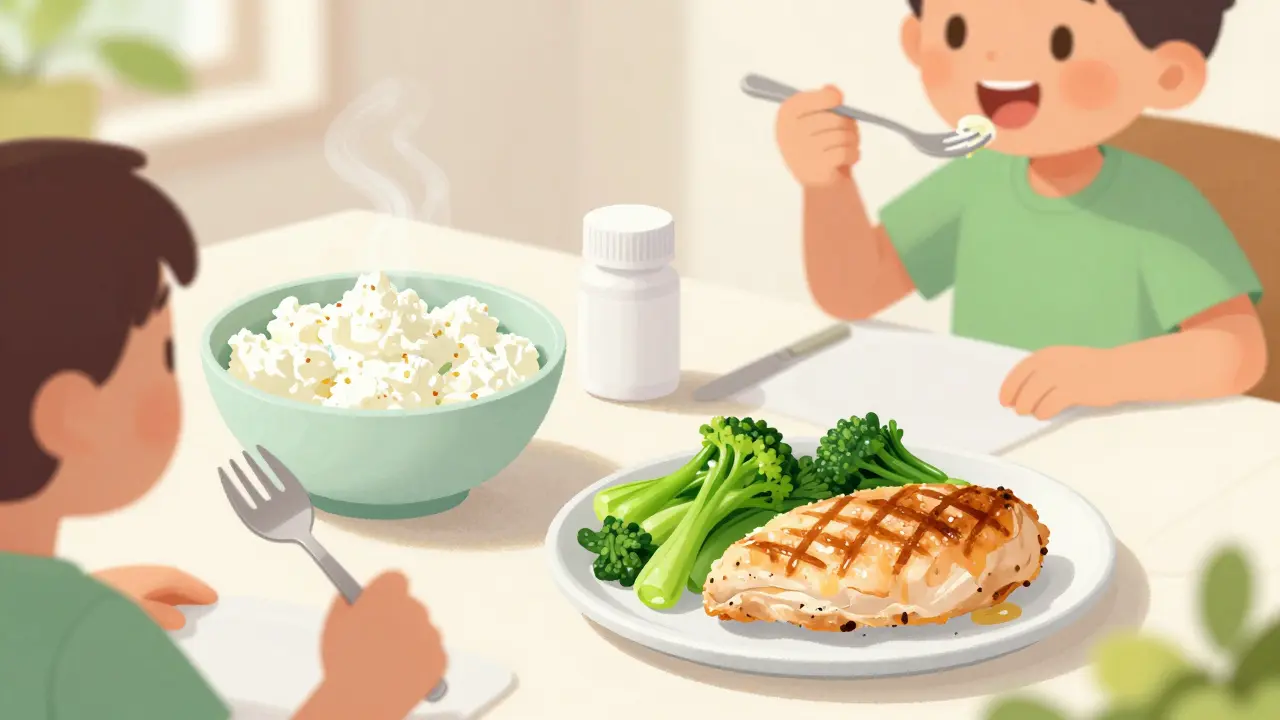
Living with these restrictions doesn't have to be isolating. The trick is to shift your focus from what you can't eat to what you can eat. Freshness is your best friend. Buy meat fresh and cook it immediately rather than letting it sit in the fridge for three days, as tyramine builds up as proteins break down.
When eating out, be the "questioning customer." Ask if the cheese is aged or if the sauce contains fermented soy. Most restaurants are happy to accommodate if you explain it's for a medical necessity. If you're unsure, it's always safer to skip the appetizer and go for fresh grilled protein and steamed vegetables.
For those who find the diet too burdensome, talk to your doctor about newer developments. Some research is looking into tyramine-metabolizing enzyme supplements that could theoretically allow people on MAOIs to eat normally again. While these are still in trial phases, they represent a future where the "cheese reaction" is a thing of the past.
Can I eat any kind of cheese while taking an MAOI?
Yes, but only "fresh" cheeses. Ricotta, cream cheese, cottage cheese, and mascarpone are generally safe because they aren't aged. Avoid any hard, aged, or blue-veined cheeses like cheddar, camembert, or gorgonzola, as these contain dangerous levels of tyramine.
What happens if I accidentally eat a high-tyramine food?
First, don't panic. Many people experience mild symptoms like a slight headache or flushing without it becoming a full crisis. However, you should monitor your blood pressure closely. If you develop a severe occipital headache or your systolic pressure exceeds 180 mmHg, seek emergency medical care immediately.
Is red wine completely banned?
Not necessarily, but it's risky. High-tyramine wines like Chianti are the most dangerous. Some lighter white wines or very specific red wines may be lower in tyramine, but it is best to consult your physician's specific approved list before trying any alcohol.
Do I need to worry about these foods if I'm using the Selegiline patch?
If you are on the lowest dose (6 mg/24 hour), the FDA states that no dietary restrictions are necessary. However, if you are on higher doses (9 mg or 12 mg), you may still need to avoid extremely high-tyramine foods. Always check your specific prescription label.
Why are MAOIs still used if the diet is so hard?
Because for some people, they are the only drugs that work. MAOIs are often highly effective for atypical depression and treatment-resistant cases where SSRIs or SNRIs have failed. For many, the life-changing relief from depression far outweighs the inconvenience of a restricted diet.
Next Steps and Troubleshooting
If you've just started an MAOI, your first step should be to clear out your pantry of high-risk items to avoid accidental ingestion. Set up a home blood pressure monitoring station and log your readings for the first few weeks; this gives you a baseline so you can recognize a spike more easily.
If you find the diet is causing social isolation or anxiety, don't just quit your meds. This can lead to a severe depressive relapse. Instead, schedule a meeting with your psychiatrist to discuss switching to a RIMA or a transdermal option. There are multiple ways to get the benefits of these drugs without the stress of a restrictive menu.