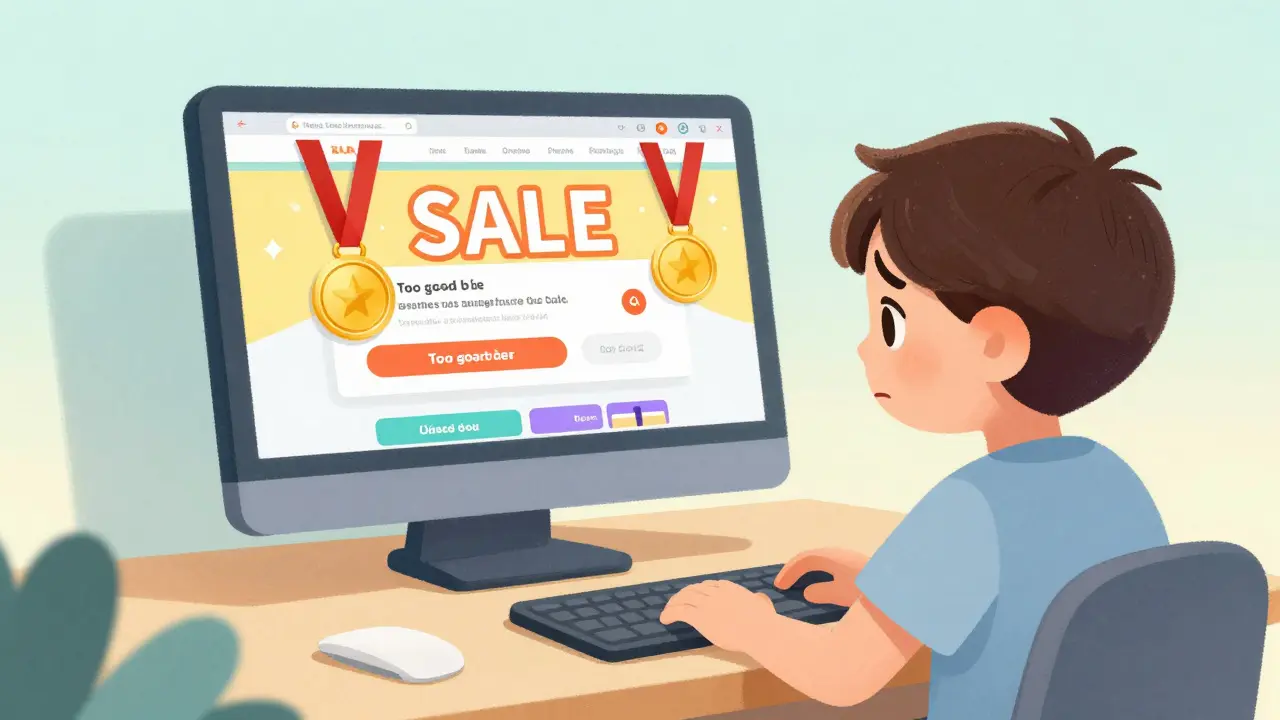
Imagine paying for a life-saving medication, only to find out the pill in your hand is actually made of crushed drywall or, worse, laced with lethal synthetic opioids. It sounds like a plot from a thriller, but for many people buying medications online, this is a terrifying reality. The global market for fake pharmaceuticals is now worth roughly $200 billion a year, meaning about 10.5% of all medicines worldwide are fraudulent. While counterfeit generics might look identical to the real thing, the difference between a genuine drug and a fake can be the difference between recovery and a medical emergency.
The Red Flags of Online Pharmacy Scams
Shopping for medication online is convenient, but it's also where most people run into trouble. According to the National Association of Boards of Pharmacy (NABP), a staggering 96% of online pharmacy websites operate illegally. Many of these sites use a "template" approach-they look professional, use fake testimonials, and quote medical experts to build trust, but they all follow the same basic layout.
If you're browsing a site, ask yourself these questions: Does the price seem too good to be true? Is the pharmacy requiring a valid prescription? If a site offers a prescription-only drug without asking for a doctor's note, you are almost certainly dealing with a scam. Legitimate pharmacies never bypass this legal requirement.
Another massive warning sign is the lack of a physical address or a working phone number. Scam sites often hide behind anonymous email addresses. If you can't find a licensed pharmacist available for a consultation, close the tab immediately. Real pharmacies are healthcare providers, not just online stores.
How to Verify Your Medication at Home
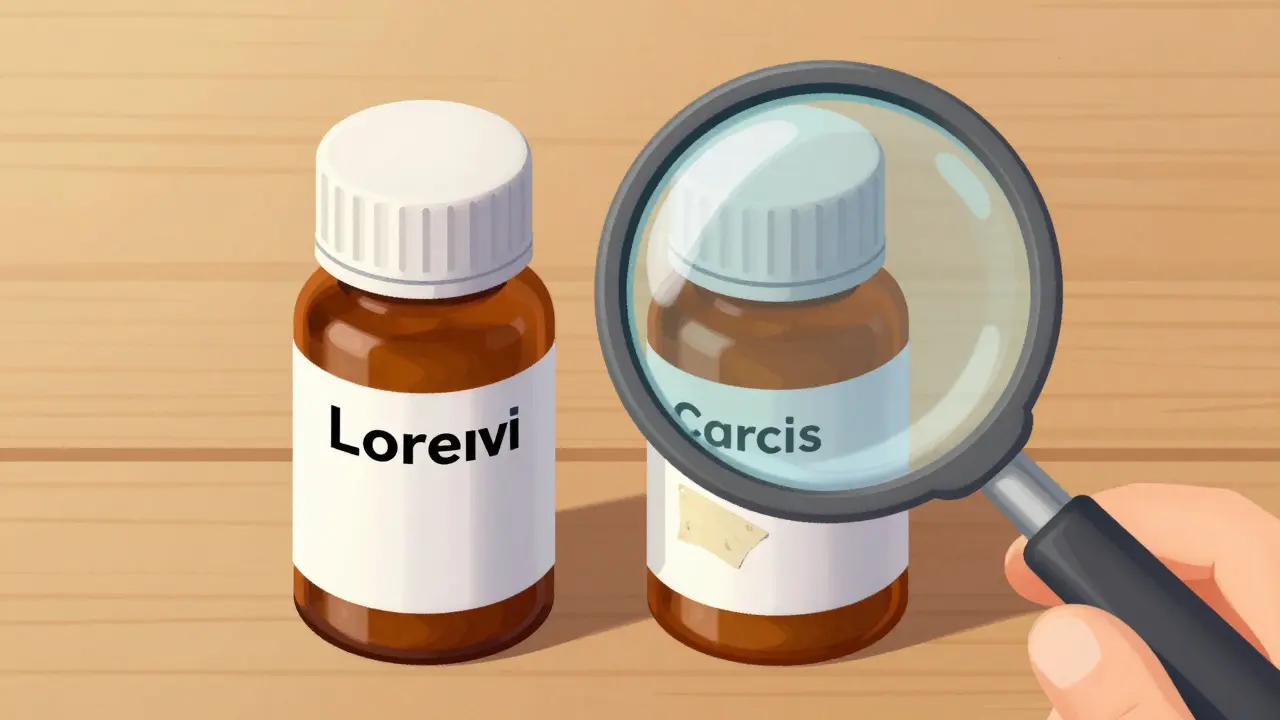
Once the package arrives, you aren't in the clear yet. Even trusted pharmacies have occasionally sold fakes without knowing it. While experts at Pfizer note that 100% confirmation requires a laboratory, there are "tells" you can look for. The best method is a side-by-side comparison. Place your new bottle next to a previous, legitimate purchase.
- Check the font and spelling: Look for slight variations in the manufacturer's name, typos in the ingredients, or a different font style than usual.
- Inspect the packaging: Genuine companies use high-quality printing. If the label is peeling, the colors look faded, or the hologram looks like a cheap sticker, be suspicious.
- Examine the pill: Note the color, size, and shape. Some users on Reddit have reported that counterfeit pills dissolve instantly in water, while authentic versions take much longer.
If something feels off, don't take the dose. Instead, call the pharmaceutical company directly. Most manufacturers track lot numbers and can tell you if a specific batch was legitimate or if they've received complaints about counterfeits in your area.
The Technology Fighting Fake Drugs
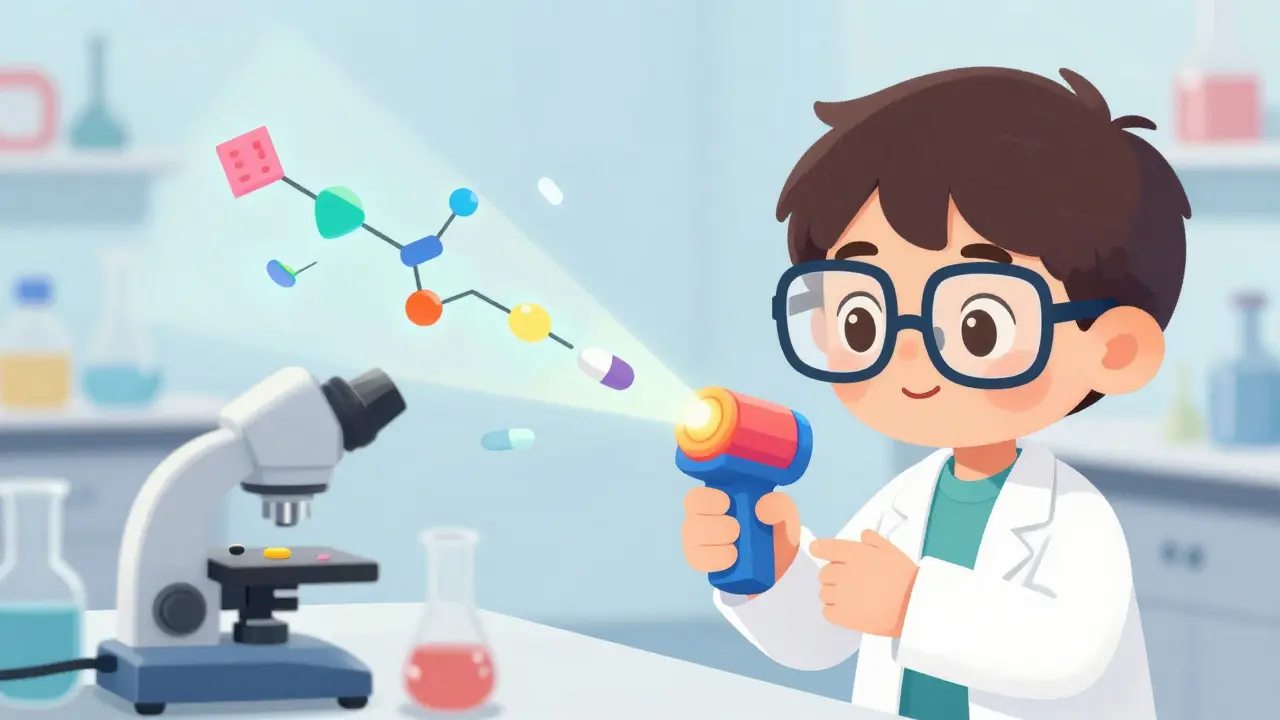
Because counterfeiters have become so good at mimicking imprints-using professional pill presses to make fakes indistinguishable from the real thing-the industry has moved toward "layered security." This involves combining overt and covert technologies.
| Technology Type | Examples | How it Works |
|---|---|---|
| Overt | Color-shift inks, Holograms | Visible to the naked eye; changes appearance when tilted. |
| Covert | RFID labels, UV inks | Invisible to users; requires special scanners or UV light to verify. |
| Digital | Track-and-Trace, QR Codes | Assigns a unique ID to every single unit in the supply chain. |
In the field, professionals use devices like handheld Raman spectrometers. These gadgets provide a quick "yes/no" result by analyzing the chemical signature of the pill without destroying it. For a more detailed look, labs use X-ray diffraction to find materials like crushed drywall that counterfeiters use as filler.
The .pharmacy Domain: Your Best Defense
If you must buy medication online, the single most reliable indicator of legitimacy is the .pharmacy domain. Unlike a .com or .net, the .pharmacy TLD (Top-Level Domain) is strictly regulated. To get this domain, a pharmacy must prove it complies with all licensing laws and regulations.
Think of it as a digital seal of approval. When you see a URL ending in .pharmacy, you know the site has gone through a verification process. This is far safer than relying on a "Verified" badge that a scammer can easily copy and paste onto their homepage.
The Danger of "Substandard" vs "Falsified"
The World Health Organization (WHO) distinguishes between two types of bad medicine. "Substandard" drugs are those that have the right ingredients but were made poorly or degraded over time. "Falsified" drugs-which is what we call counterfeits-are intentionally fake.
The danger here is unpredictable. Some fake malaria meds in Asia contain zero active ingredients, meaning the patient gets no treatment while their illness worsens. In North America, the DEA has seized millions of fake pills that contain illicit fentanyl, turning a simple medication purchase into a potential overdose. This is why relying on a "too good to be true" price is a gamble with your life.
Can I tell if a generic drug is fake just by looking at the pill?
Not always. While you can look for differences in color, size, or how the pill dissolves, professional counterfeiters use high-end pill presses to replicate imprints perfectly. Visual checks are a good first step, but laboratory testing is the only way to be 100% sure.
Why are fake generics more common online than in physical stores?
Online stores lack the face-to-face regulation of a local pharmacy. Scammers can set up a professional-looking website in minutes and ship products from anywhere in the world, bypassing the strict supply chain checks that physical pharmacies must follow.
What should I do if I suspect my medication is counterfeit?
Stop taking the medication immediately. Contact your prescribing doctor and the pharmaceutical company that makes the drug to report the lot number. You should also notify your local health regulatory agency, such as the TGA in Australia or the FDA in the US.
Is it safe to buy generics from a website that doesn't require a prescription?
Absolutely not. Legitimate pharmacies are required by law to verify a prescription before dispensing medication. Any site that offers to sell prescription-only drugs without a prescription is operating illegally and is highly likely to be selling counterfeit or unsafe products.
What is the .pharmacy domain and why does it matter?
The .pharmacy domain is a restricted TLD. Only pharmacies that can prove they are licensed and follow legal regulations are allowed to use it. It acts as a layer of verification, making it much easier for consumers to identify legitimate online pharmacies.
Next Steps for Safe Medication
If you are currently shopping for generics, start by checking if the site uses the .pharmacy domain. If it doesn't, search for the pharmacy's physical license number in your state or country's registry. If you've already bought something and feel unusual side effects-like a burning sensation or a total lack of efficacy-contact a healthcare provider immediately. Your health is too important to leave to a discount website.