Drug Interactions: What You Need to Know Before Taking Medications Together
When you take more than one medication, drug interactions, happen when two or more drugs affect each other’s strength, speed, or side effects in your body. Also known as medication interactions, they’re not rare glitches—they’re common, often silent risks that can land you in the hospital. This isn’t just about mixing pills. It’s about what your body does when you combine a blood pressure drug with grapefruit, an antibiotic with birth control, or painkillers with sleep aids. Even over-the-counter stuff like ibuprofen or herbal supplements can change how your prescription works—sometimes dangerously.
One of the biggest hidden dangers is how pharmacy warnings, the alerts pharmacists are trained to spot but often don’t always communicate clearly. Also known as medication safety alerts, they’re meant to catch problems before they happen. But if you’re taking six different meds, as many older adults do, those warnings get lost in the noise. That’s why knowing the signs matters: sudden dizziness, unexplained fatigue, strange rashes, or muscle pain after starting a new drug? Those aren’t just side effects—they could be your body screaming about a drug side effect, a reaction caused not by one drug alone, but by how it interacts with others. Think statins and grapefruit: that combo can spike your statin levels so high it breaks down muscle tissue. Or metformin and kidney issues: if your kidneys slow down, the drug builds up and can cause lactic acidosis. These aren’t theoretical risks. They’re real, documented, and preventable.
And it’s not just pills. Supplements like St. John’s wort can knock out the effectiveness of antidepressants. Even something as simple as a magnesium supplement can interfere with antibiotics like cephalexin. The system isn’t broken—it’s just not designed for people who take multiple meds. That’s why keeping a clear list of everything you take, including doses and timing, isn’t optional. It’s your first line of defense. The posts below cover exactly that: how to spot dangerous combinations, what to ask your doctor, how to read labels that hide risks in tiny print, and how to avoid being tricked by the myth that "natural" means safe. You’ll find real examples—from statins and grapefruit to Reglan and its dangerous cousins—plus how to use your pharmacy’s tools better and why generic drugs aren’t always the safe choice if they’re mixed wrong. This isn’t about fear. It’s about control. You don’t need to be a pharmacist to protect yourself. You just need to know what to look for.
Adverse Drug Events: Definition, Types, and Prevention Strategies
Adverse Drug Events (ADEs) are harmful medication reactions causing millions of hospital visits yearly. Learn their types, prevention strategies, and how technology like pharmacogenomics is improving safety.
View More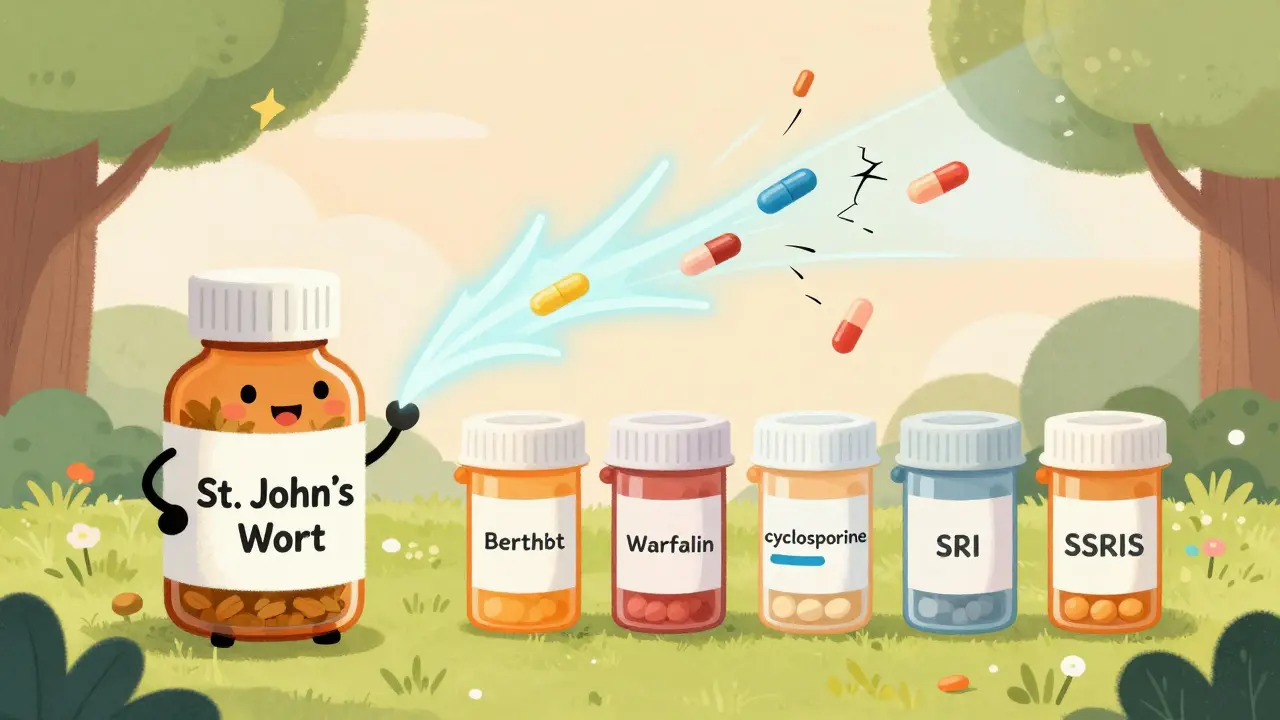
St. John’s Wort and Prescription Medications: What You Must Know About Dangerous Drug Interactions
St. John’s Wort may help with mild depression, but it can dangerously reduce the effectiveness of birth control, blood thinners, antidepressants, and transplant drugs. Learn which medications it interacts with and why this herbal supplement is riskier than most people realize.
View More
Proton Pump Inhibitors and Antifungals: How They Interfere with Absorption and Effectiveness
Proton pump inhibitors can severely reduce absorption of antifungals like itraconazole and ketoconazole, leading to treatment failure. Fluconazole is safer, but interactions with blood thinners require monitoring. New research shows PPIs may also boost antifungal power in unexpected ways.
View More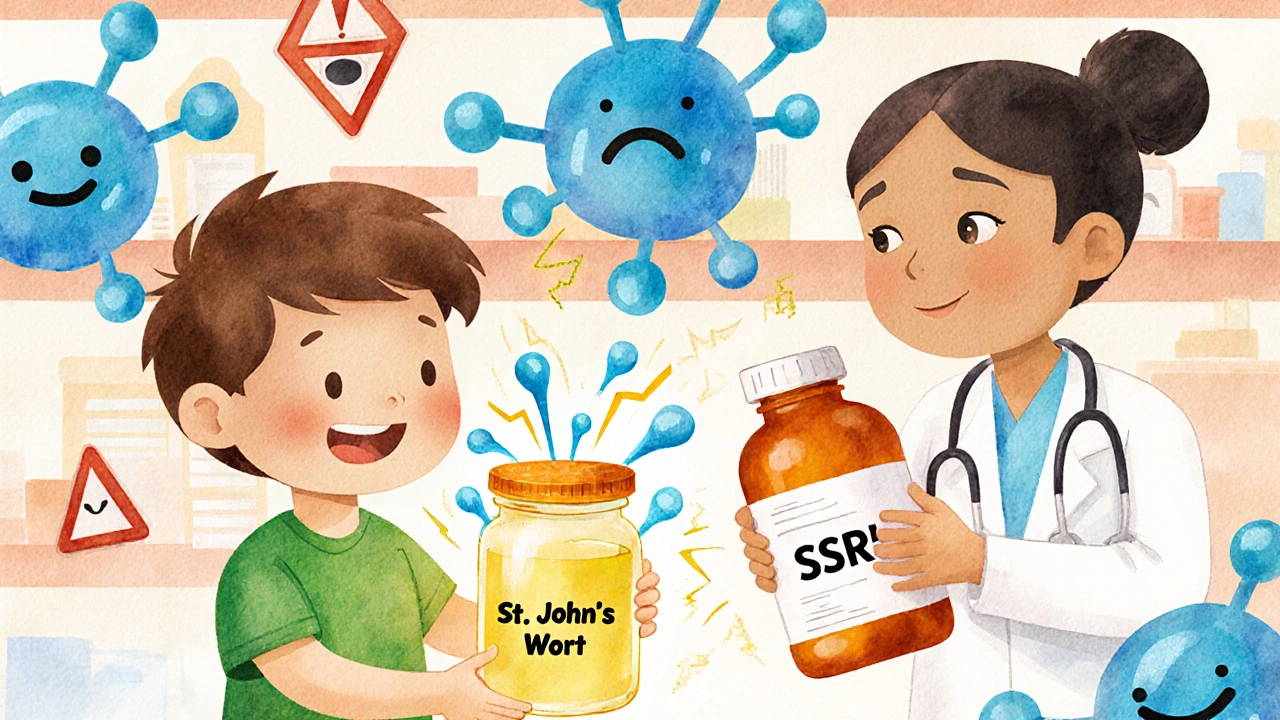
St. John’s Wort and SSRIs: The Hidden Danger of Serotonin Syndrome
Combining St. John’s Wort with SSRIs can cause serotonin syndrome - a dangerous, sometimes fatal condition. Learn why this herbal supplement isn't safe with antidepressants and what to do instead.
View More
© 2026. All rights reserved.