Generic Drugs and Medication Safety in 2025: What You Need to Know
When it comes to generic drugs, lower-cost versions of brand-name medications that are bioequivalent and FDA-approved. Also known as non-brand medications, they make up over 90% of prescriptions in the U.S. but still face deep mistrust among patients and even doctors. The real issue isn’t whether they work—it’s why so many people pay more than they should, and why safety gaps still exist.
Biosimilars, complex drugs designed to match biologics like Humira or Enbrel, but not identical copies like generics. Also known as biologic generics, they offer big savings but require special training for prescribers to use correctly. Many providers still confuse them with traditional generics, leading to missed opportunities for patients. Meanwhile, drug interactions, harmful reactions when two or more medications are taken together. Also known as medication conflicts, they’re one of the top causes of hospital visits in older adults. St. John’s Wort with SSRIs? That’s not a harmless combo—it can trigger serotonin syndrome, a life-threatening spike in brain chemicals. And it’s not rare. Patients assume herbal means safe. It doesn’t.
The FDA’s 2023-2025 changes pushed for more U.S.-made generics to fight shortages, but hidden players like PBMs still control prices through spread pricing and gag clauses. That’s why someone with insurance often pays more than a cash buyer. Copay cards help short-term, but accumulator programs can wipe out your benefits later. And if you’re managing meds for an aging parent, a clear medication list isn’t just helpful—it’s a lifesaver. Rechargeable hearing aid batteries? They’re great for steady users, but not if your hands shake. Nebulizers vs. inhalers? The science says inhalers with spacers work just as well, and cheaper. Opioids for seniors? They raise fall risk and delirium—non-drug options like physical therapy often do better.
Delayed reactions like DRESS or Stevens-Johnson Syndrome don’t show up the next day—they creep in weeks later. If you’re on a new med and feel off, don’t wait. Recall notices? Don’t trust one source. Cross-check lot numbers with the FDA, your pharmacy, and the manufacturer. Ataxia? No cure, but targeted rehab can rebuild balance. Restless legs? Low iron is the hidden cause more often than people think. Ferritin under 50? That’s your signal.
This archive pulls together everything you need to cut through the noise: how to verify recalls, why doctors still hesitate to prescribe generics, what cleanroom standards actually mean for your pills, and how patent games keep prices high. You’ll find real comparisons—Keflex vs. amoxicillin, Vilitra vs. Cialis, Keppra vs. Lamictal—so you know what works for your body, not just what’s cheapest. No fluff. No marketing. Just facts you can use today to stay safe and save money.
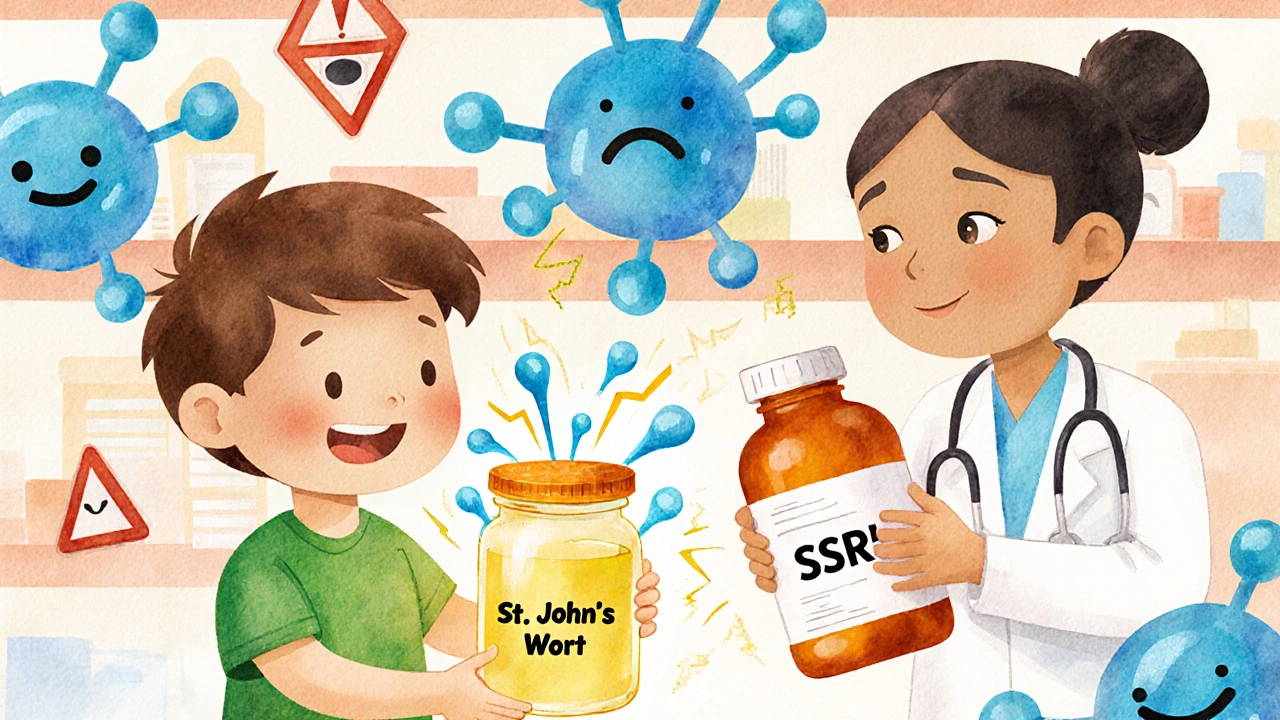
St. John’s Wort and SSRIs: The Hidden Danger of Serotonin Syndrome
Combining St. John’s Wort with SSRIs can cause serotonin syndrome - a dangerous, sometimes fatal condition. Learn why this herbal supplement isn't safe with antidepressants and what to do instead.
View More
Hearing Aid Batteries vs. Rechargeables: What Works Best for You
Choosing between disposable and rechargeable hearing aid batteries comes down to lifestyle, dexterity, and long-term cost. Discover which option works best for your daily routine and hearing needs.
View More
Provider Education: Understanding Biosimilar Differences
Biosimilars offer major cost savings and equal efficacy to biologics, but provider confusion about how they differ from generics limits patient access. Learn what makes them unique, why adoption varies by specialty, and how education closes the knowledge gap.
View More
Lifetime Savings: How Generics Cut Chronic Condition Costs Forever
Generic medications can save patients thousands of dollars over a lifetime while maintaining the same effectiveness as brand-name drugs. Learn how switching to generics cuts chronic condition costs, improves adherence, and reduces long-term healthcare expenses.
View More
How to Verify Recall Notices and Affected Medication Lots
Learn how to properly verify medication recalls by matching lot numbers, using multiple sources, removing affected drugs, and documenting every step to ensure patient safety and regulatory compliance.
View More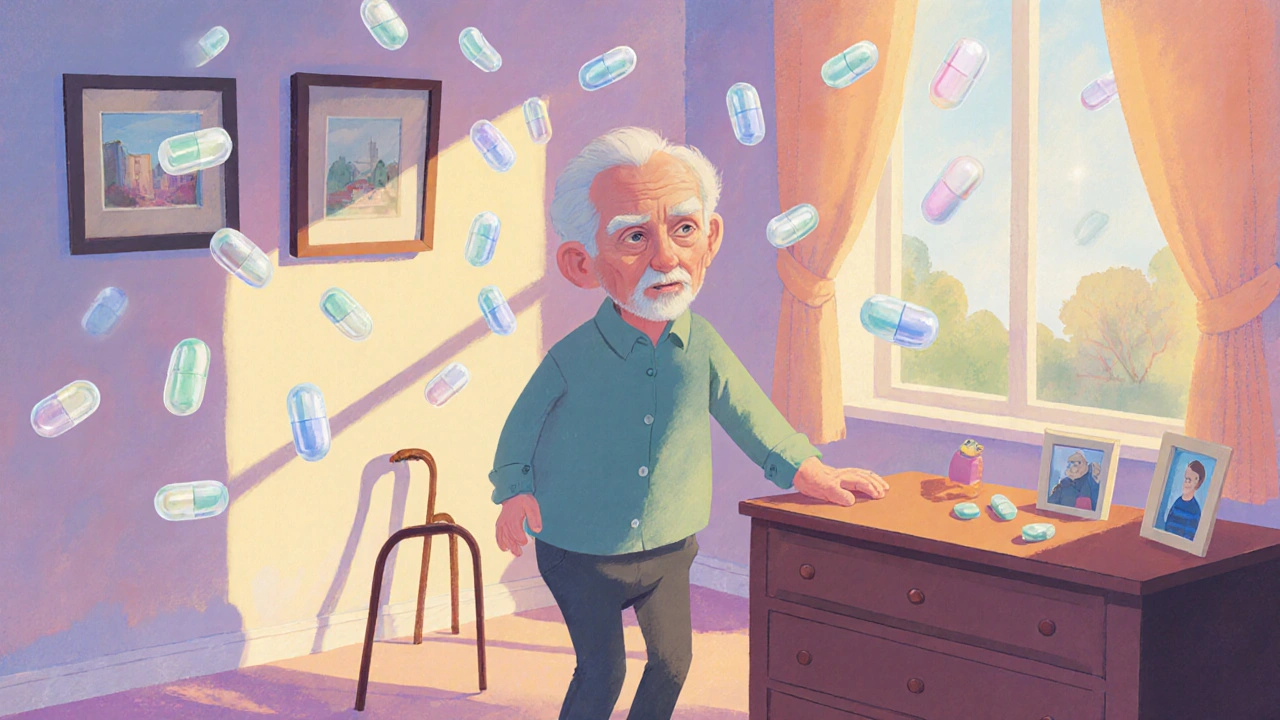
Opioids in Older Adults: Managing Falls, Delirium, and Safe Dose Adjustments
Opioids increase fall risk, delirium, and death in older adults. Safe dosing, careful monitoring, and non-drug alternatives are essential for protecting seniors from serious harm.
View More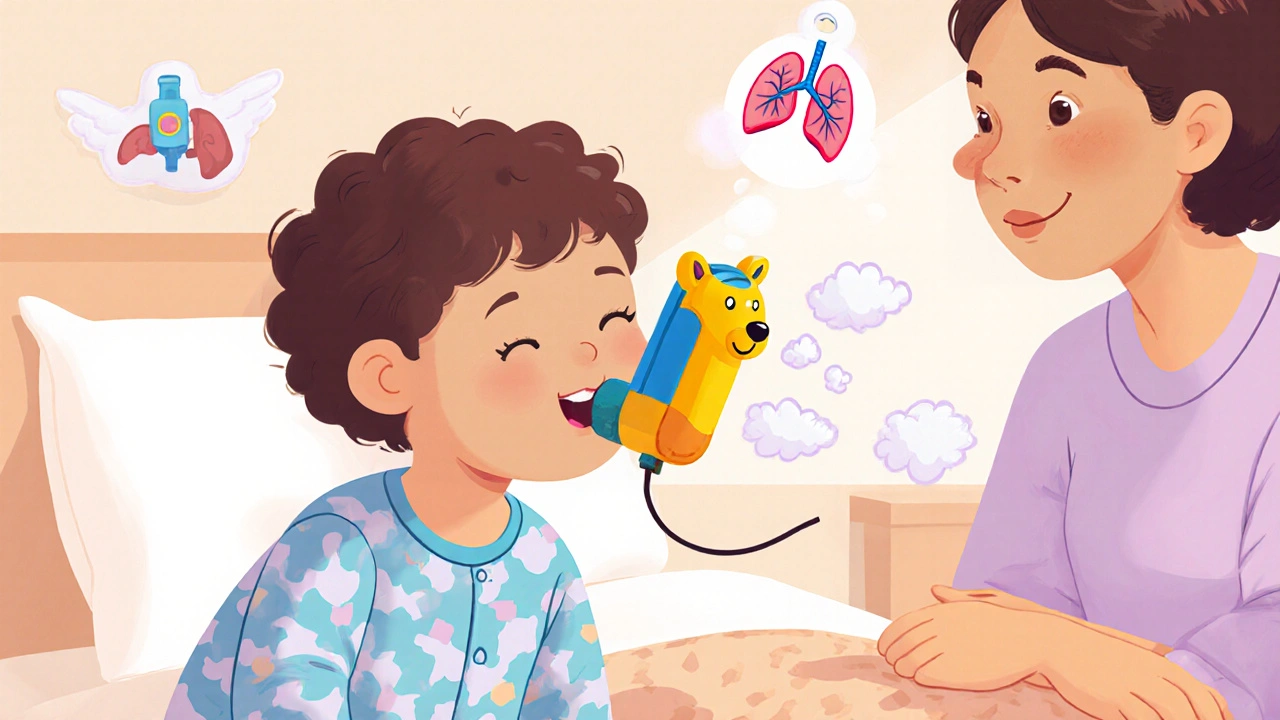
Nebulizers vs. Inhalers: Which One Really Works Better for Asthma and COPD?
Nebulizers and inhalers both treat asthma and COPD, but which one actually works better? Learn the science, cost differences, and who should use what-with real data and practical advice.
View More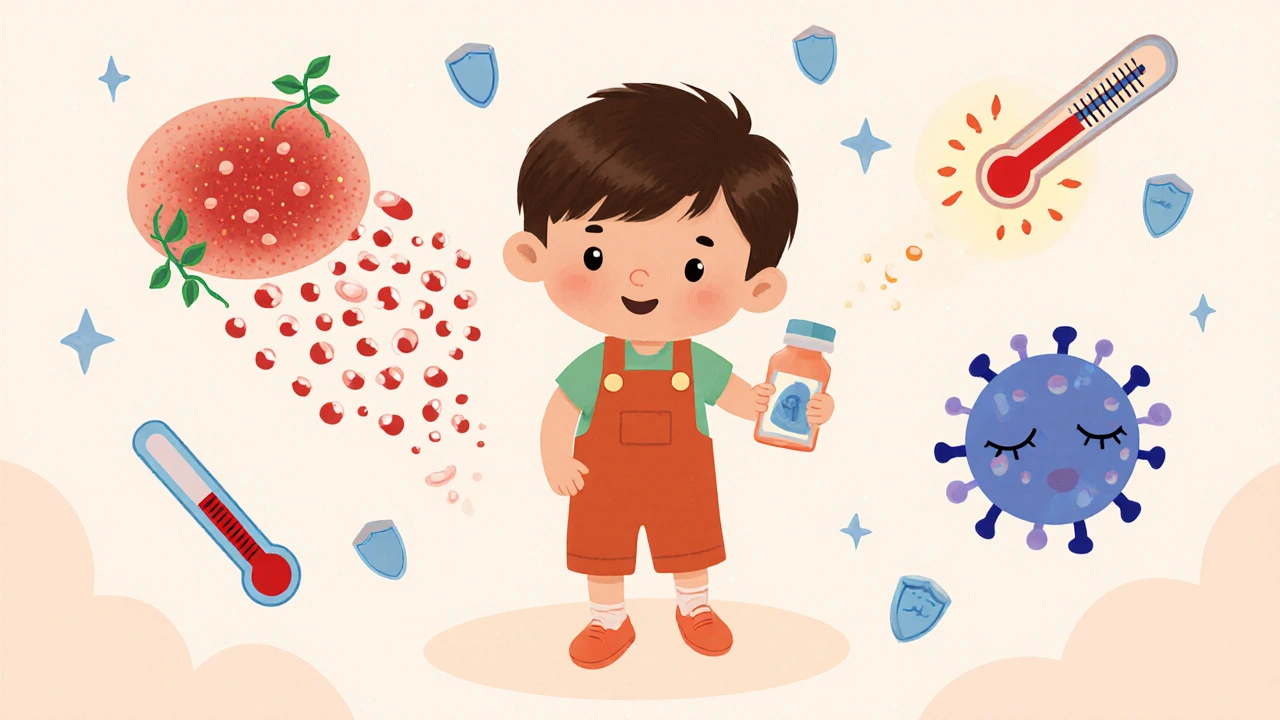
Delayed Drug Reactions: What Happens Days to Weeks After Taking a Medication
Delayed drug reactions can appear days or weeks after taking a medication and may be life-threatening. Learn the signs, causes, and what to do if you suspect one-including rare but dangerous conditions like DRESS and Stevens-Johnson Syndrome.
View More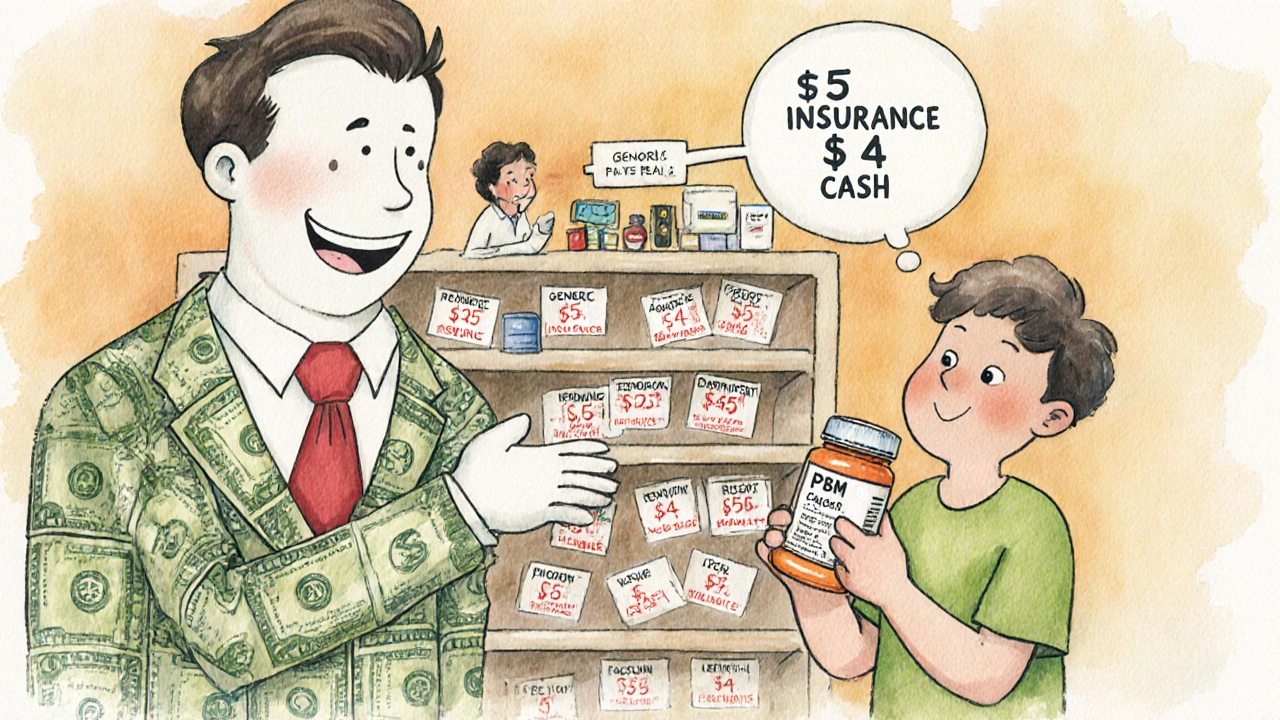
How Insurer-Pharmacy Negotiations Set Generic Drug Prices in the U.S.
Generic drug prices are set by hidden middlemen called PBMs, not insurers or pharmacies. Learn how spread pricing, gag clauses, and formulary negotiations make insured patients pay more than cash buyers-and what you can do about it.
View More
Medical Education on Generics: Do Doctors Learn Equivalence?
Despite generics making up 90% of prescriptions, many doctors lack training on bioequivalence. Learn why medical education fails to build trust in generic drugs - and what’s being done to fix it.
View More
© 2026. All rights reserved.